


### Blog Post:
Home sauna kit demand is surging in 2024 as homeowners turn spare rooms and backyard corners into wellness retreats. But making the jump from wish list to steam-ready reality can be tricky—especially if you’re weighing cost, installation complexity, or the benefits of different sauna types.
Key Takeaways
- The U.S. home sauna kit market is expanding fast, led by infrared and barrel models for both indoors and backyards.
- DIY installation can be rewarding but brings hidden costs, electrical challenges, and space concerns that surprise many homeowners.
- Infrared and traditional saunas both offer health and wellness value, but models differ in efficiency, operation, and user experience.
- What Is a Home Sauna Kit and Why Are They Trending?
- How to Plan and Install a Home Sauna Kit (Step-by-Step)
- Analysis: Common Pitfalls and Real-World Drawbacks
- Conclusion
- Frequently Asked Questions
What Is a Home Sauna Kit and Why Are They Trending?
A home sauna kit is a bundled package containing all essential components to build a steam or infrared sauna in your own house or backyard. In 2024, homeowners are driving record sales of these kits thanks to rising wellness spending, remote work, and the appeal of private relaxation just steps from the kitchen. Kits can be installed indoors (like a basement or spare bathroom) or outdoors (for example, a backyard barrel or pod sauna).
The market is riding a wellness wave: recent studies show the U.S. sauna market climbed to $197.6 million in 2024 and is on track for strong growth led by residential adoption and portable kit innovations (source, source). infrared sauna kits, with their plug-and-play convenience, are drawing in new buyers—while traditional wood-burning or electric models still hold the largest share for veteran users. Outdoor barrel kits are especially popular for backyard setups.
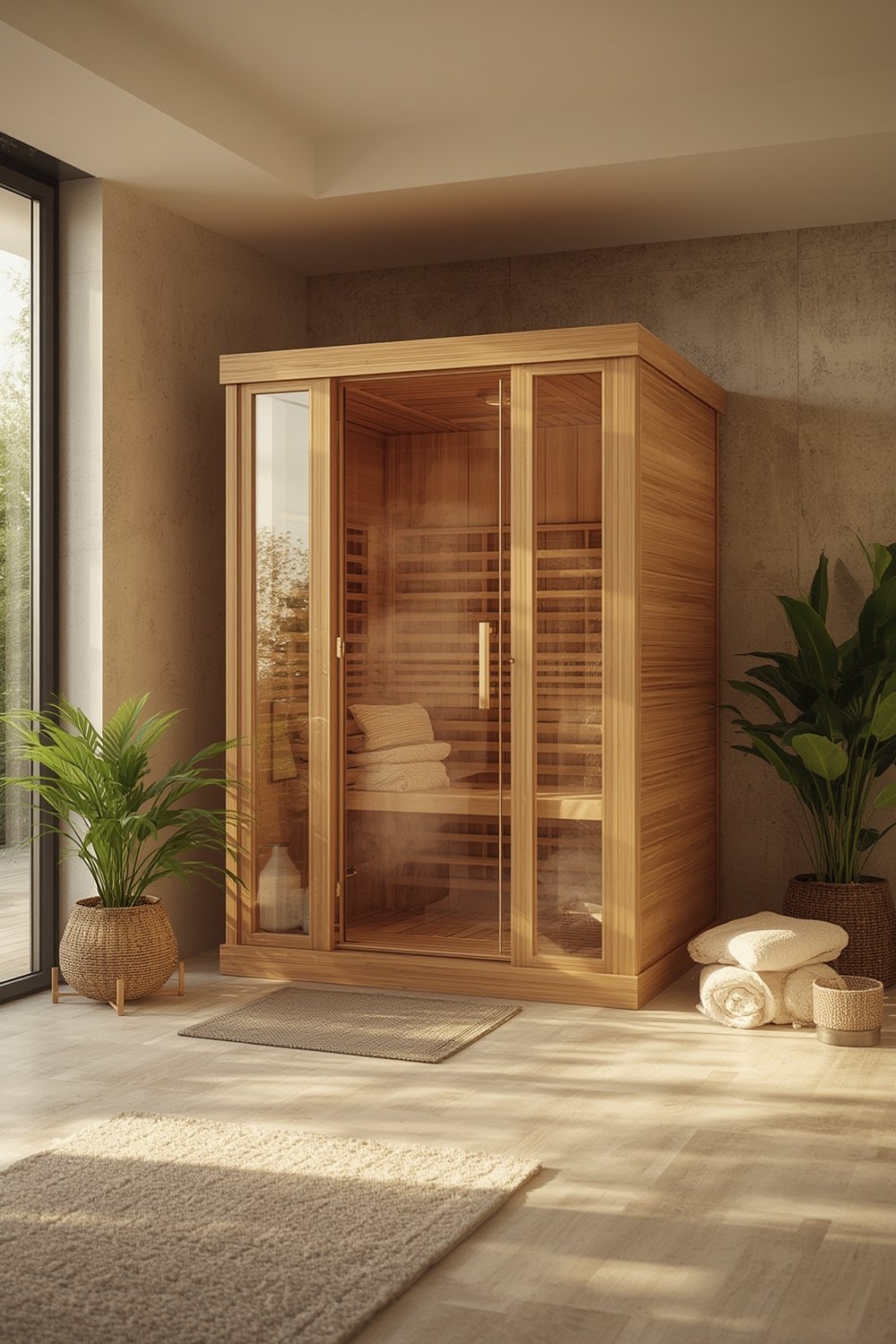
Interest isn’t just about luxury. Peer-reviewed research finds both infrared and traditional saunas may benefit heart health, stress levels, and sleep—making them a practical choice for self-care. Indoor kits transform unused nooks while portable barrel saunas turn any yard into a wellness zone.
But behind the trend are real questions: What are the hidden hurdles of DIY assembly? What does a truly turnkey install require? And—crucially—is the investment worth it compared to other home upgrades like a heat pump water heater or a level 2 EV charger for boosting home value and comfort?
How to Plan and Install a Home Sauna Kit (Step-by-Step)
Bringing a home sauna kit from online order to fully operational, sweat-ready retreat is achievable—but much smoother if you break it into focused steps. Here’s a no-nonsense playbook:
- Pick the Best Location
For indoor setups: basements, spare bathrooms, walk-in closets, or large ensuite bathrooms can work—just confirm access to proper electrical supply, ceiling height, and robust ventilation. For outdoors: choose a level, weatherproofed area near electrical access. Backyard barrel saunas usually need a solid foundation. - Select the Right Sauna Type
Decide between traditional (electric or wood-burning) and infrared. Traditional delivers classic steam, but infrared heats directly and usually plugs into standard outlets. Read up on infrared vs traditional pros and cons. - Order the Complete Kit
Confirm your kit includes all key hardware: wall panels, benches, a door, heater (with controls), rocks (if traditional), venting, lighting, and clear installation instructions. Extras like Bluetooth speakers, chromotherapy lights, or air filtration are optional upgrades. - Plan Your Power Supply
Most infrared kits use standard 110-120V outlets but higher capacity or traditional electric heaters need a dedicated circuit 220-240V line. In many municipalities, upgrades may require a permit and a licensed electrician—similar to installing a smart electrical panel or running a Level 2 EV charger. - Prepare the Subfloor & Structure
For indoors, add a vapor barrier and confirm the subfloor can support the kit’s weight (especially for 2+ person models). For outdoors, pour a concrete pad or set pavers to create a level base that won’t flood or settle. - Assemble the Kit
Follow the manual step-by-step: assemble the frame, secure wall and ceiling panels, install benches and doors, and wire up the heater per instructions. If you lack electrical experience, hire a pro for final connections—regulations are strict for high-wattage appliances. - Test Ventilation and Safety
Good airflow prevents mold and heat buildup. Test ventilation fans and confirm all electrical safety shutoffs work. Review fire safety and heater clearance. Crosscheck with local code, especially for outdoor barrel heaters. - Final Touches
Add accessories: a temperature gauge, timer, LED lights, or even durable plants. Plan for easy access to towels and cold water. For tech lovers: consider smart controls you can link to your home energy monitor.
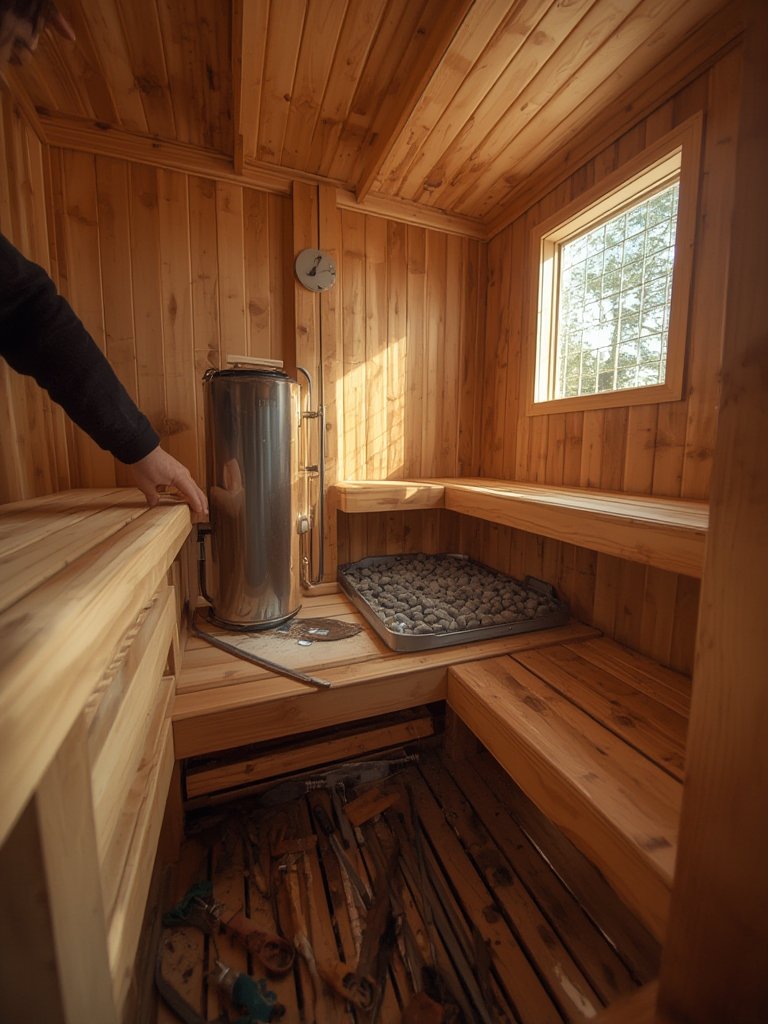
Installation time varies: competent DIYers can build infrared kits in a weekend, while full custom installations with electric upgrades or outdoor assembly may stretch to a week (or require a pro). Most manufacturers claim “simple assembly”—but review all directions up front and double check you can meet every requirement for safe, code-compliant operation.
Smart home integration is now trending. Over 1 in 3 new saunas have energy-saving features—look for programmable timers and app-based controls that integrate with your spa bathroom and smart home setup for efficiency and convenience (source).
Analysis: Common Pitfalls and Real-World Drawbacks
Every home sauna kit comes with trade-offs. Below are the top problems and mistakes to watch for—plus realistic limitations users aren’t always told about:
- Underestimating Electrical Demands: Many homeowners skip the electrical planning until the last minute. Large heaters typically require a dedicated 240V circuit and may not be compatible with outdated panels.
- Hidden Costs: The kit is just the beginning. Factor in delivery (especially for large barrel kits), pro assembly, permits, electrical work, and ongoing maintenance.
- Poor Ventilation or Moisture Problems: Without proper airflow, saunas can cause mold, especially in tight indoor spaces. This is a risk even in newer homes, much like with ventless washer-dryer combos.
- Space and Weight Limitations: Some kits just won’t fit—either physically or by code. Always double-check clearances and the load bearing capacity for planned locations.
- Assembly Complexity: DIY instructions vary widely. Watch for unclear manuals, missing parts, or hardware that isn’t labeled. A second set of hands is often essential for safe handling of large panels or doors.
- Lack of Specific Technical Data: Most kits target “average” homes, but advanced details (like heater output, amperage draw, NEC compliance, or state/local safety code requirements) are often omitted. Always consult a licensed electrician for final connections or if you have doubts.
| Aspect | Infrared Sauna Kit | Traditional Sauna Kit |
|---|---|---|
| Power requirements | Usually 110V/120V outlet | Often needs dedicated 220V/240V |
| Setup time | Faster, 1-2 days DIY | 3+ days, may need a pro |
| Running cost | Lower | Higher (more power consumption) |
| Steam/Experience | Dry, gentle heat | Steam, intense heat |
| Health Benefits | Cardiovascular, stress, sleep | Similar (circulation, detox), more tradition |
| Price Range* | $1,000–$5,000+ (est.) | $3,000–$10,000+ (est.) |
*Actual prices vary; no 2024 cost breakdown for barrel kits is available, but expect higher shipping and install fees for large outdoor units (source).
Unlike ADU garage conversions, permits for indoor sauna kits are rarely discussed but can be required locally, especially if you alter electrical/plumbing or repurpose structural space. And, despite glowing reviews, manufacturer documentation often skips over crucial specs for heater wiring, venting, or moisture control. This can result in expensive mid-project surprises.
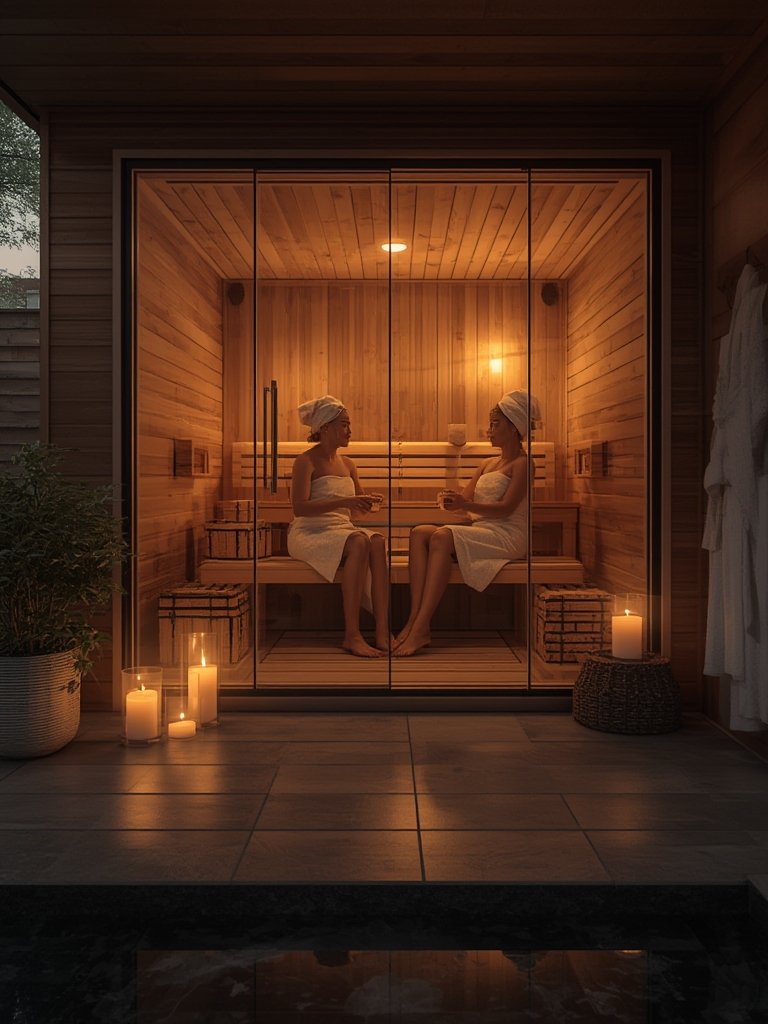
If you run into obstacles—especially around power supply, venting, or unclear directions—it’s smart to call a pro installer, even for a kit. Rushed, unsafe wiring is a real hazard. The National Electrical Code (NEC) sets strict rules for sauna heaters, but many guides overlook these details, just as many skip the nitty-gritty cost breakdowns or troubleshooting steps you’ll wish you’d known up front.
Conclusion
Installing a home sauna kit is one of today’s most popular wellness upgrades—especially with the “wellness at home” trend accelerating nationwide. But behind the instagrammable finished product are key planning steps: confirming your space, sorting out electrical upgrades, budgeting for hidden costs, and double-checking manufacturer specs. Both indoor and outdoor kits—infrared or traditional—offer serious value for heart health and daily stress relief, as clinical evidence shows (source).
If you want a sustainable reset zone at home, a home sauna kit can deliver. Plan carefully, consult a pro if needed, and your personal spa will become a year-round wellness win. Take the next step toward a healthier, more relaxing home—start researching the perfect kit now and consider pairing your project with high-efficiency upgrades like a hybrid water heater to maximize your home’s comfort and value.
Frequently Asked Questions
How much does a home sauna kit really cost in 2024?
Prices start around $1,000 for a single-person infrared model and can exceed $10,000 for large traditional or outdoor barrel kits—with shipping, installation, and electrical work often adding thousands. Recent industry reports do not provide specific costs for barrel kits in 2024, so always get detailed quotes before you buy.
Do I need a permit or electrician to install a sauna kit at home?
In most cases, infrared kits that plug into a standard outlet do not require a permit. For larger electric or traditional heaters (220-240V), a dedicated circuit and licensed electrician are typically needed—and a permit may be required, similar to any high-wattage home appliance installation.
Can I put a sauna in a small apartment or unconventional space?
Yes, many manufacturers now offer compact kits and pods designed for small homes and apartments. Look for models with mirrored panels or space-saving benches. Always measure carefully for door clearance, ventilation, and weight limits.
What health benefits can I expect from regular home sauna use?
Both infrared and traditional saunas are linked to potential cardiovascular benefits, lower stress, improved sleep, and even longevity. Results depend on your overall health and consistency. Always consult your physician if you have underlying conditions.
Is an outdoor sauna kit harder to install than an indoor one?
Outdoor kits, especially barrel saunas, need a solid foundation and weatherproofing, which can add time and cost. Electrical access is often the biggest challenge. Indoor kits are easier for those comfortable with smaller spaces and existing power supply.