


### Blog Post:
ventless washer dryer units are redefining how city dwellers and apartment owners handle laundry: no vents, no 220V wiring—just plug in and go. But are they the perfect fit for your small space, or do cycle times and maintenance issues outweigh the convenience?
Key Takeaways
- Ventless washer dryer combos use less energy and simplify installation but typically have longer cycle times than vented systems.
- Regular filter maintenance and using HE detergent are critical to prevent common problems and maximize longevity.
- These units are best suited for small apartments, occasional loads, and users prioritizing flexibility over speed.
- What Is a Ventless Washer Dryer and Why Does It Matter?
- How to Select, Install, and Live Easily with a Ventless Washer Dryer
- Advanced Analysis and Common Pitfalls: Real-User Issues Unpacked
- Conclusion
- Frequently Asked Questions
What Is a Ventless Washer Dryer and Why Does It Matter?
A ventless washer dryer is a single appliance combining washing and drying that needs no external vent, making it ideal for apartments and condos. Unlike traditional vented machines, these ventless combos use a heat pump or condenser system to dry clothes. Everything is contained in one box, so you only need a regular 110-120V outlet and water supply—no ducts or high-voltage electrical panels required.
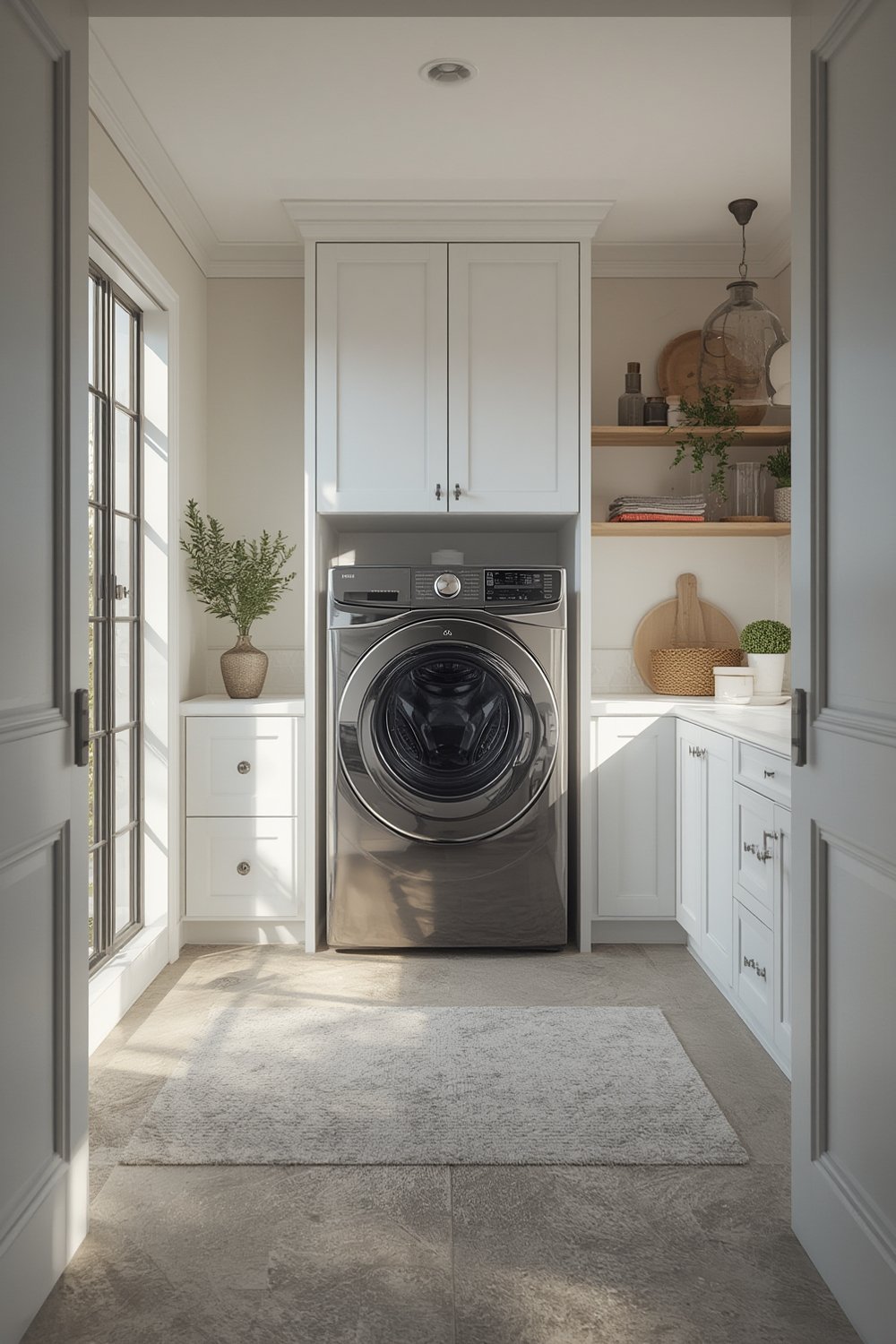
Why do these machines matter? They offer unmatched installation flexibility, fitting into tight closets, kitchens, and bathrooms where vented dryers can’t go. Their low energy use is a bonus: new heat pump models use at least 28% less energy than standard electric dryers, which can add up to real energy bill savings. For tenants or owners who can’t modify home infrastructure—or who want to avoid smart electrical panel upgrades or ductwork—ventless units are often the only option.
But, as we’ll see, there are crucial trade-offs to consider before making the switch.
How to Select, Install, and Live Easily with a Ventless Washer Dryer
Choosing and owning a ventless washer dryer is simple, but only if you get the right fit and know a few critical tricks. Here’s exactly how to do it—with clear steps and hands-on advice.
- Measure Your Space Carefully
Ventless units typically range from 24 to 27 inches wide, with 2.4 to 5 cu. ft. of drum capacity. Make sure your unit will fit through doorways and leave at least two inches of clearance on all sides for proper airflow. - Identify Electrical and Plumbing Needs
All-in-one ventless washer dryers like the GE Profile PFQ97HSPVDS and LG WashCombo WM6998HBA plug into a standard 110-120V outlet—no high-voltage circuit needed. You’ll need access to cold (and usually hot) water and a drain. No exhaust duct means you can install on almost any wall, even in a closet or bathroom. - Choose the Right Technology for Your Needs
Heat pump combos are the most energy efficient, using at least 28% less energy than vented dryers. Condenser-only models tend to be cheaper but can add more ambient humidity to your room and are typically less energy efficient. If you want to cut energy bills further, review our heat pump water heater guide for whole‑home savings. - Install, Level, and Check Water Connections
Place on a flat surface and adjust the leveling feet. Double check that all hoses are securely fastened and that the water supply is set properly. Don’t forget to check the included lint trap location, as it’s often inside the door seal—easy to miss. - Run a Test Cycle and Monitor Performance
Run one load of laundry (ideally towels) to verify fill, drain, wash, and dry. Monitor for signs of excessive suds and check if clothes dry thoroughly. It’s normal for comforters or very bulky loads to retain moisture after one cycle—try splitting large loads for best results.
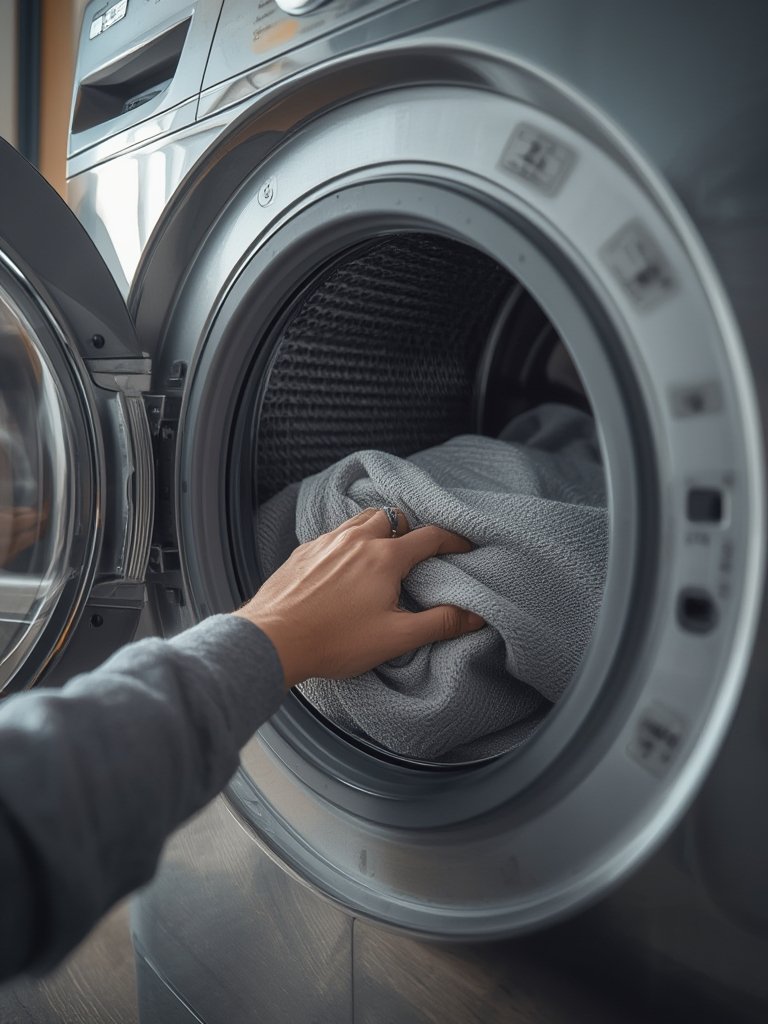
Maintenance is straightforward: clean the lint filter after each load, use HE detergent, and periodically run a drum cleaning cycle. Bookmark your machine’s model page for troubleshooting guides or warranty claims.
If you have a garage ADU or a compact guest apartment, a ventless combo is often the only solution that avoids running new 220V wiring or venting through exterior walls.
For those curious about in-depth installation costs for electrical changes (for example, if you’d rather upgrade to a smart panel or install a Level 2 EV charger in the laundry area), see our home EV charger installation guide.
Advanced Analysis and Common Pitfalls: Real-User Issues Unpacked
Ventless washer dryer combos come with real trade-offs that are too-often glossed over.
Reliability and Performance Benchmarks
| Appliance | Service Rate* | Wash/Dry Cycle Time | Energy Use | Ideal For |
|---|---|---|---|---|
| GE Profile PFQ97HSPVDS (Heat Pump Combo) | 9.5% | 3-3.5 hours (12 lb load) | ~50% less than vented dryer | Apartments, Small Homes |
| LG WM6998HBA (Heat Pump Combo) | 8.5% | Under 200 min (mostly) | 28% lower than standard | Condos, Guest Suites |
| Standalone Front-Load Washer | 4.5% | Varies (60-90 mins wash) | Standard | Larger Homes, Frequent Use |
| Traditional Vented Dryer | Similar to combo avg. 9% | 45-60 mins drying | High | High-Volume Homes |
*Service Rate = % needing service in first 12 months (Yale Appliance data).
Common Pitfalls and How to Avoid Them
- Longer Cycle Times: Expect 2-4 hour full wash/dry cycles, not the hour-long cycles familiar from vented dryers. Doing back-to-back loads can take almost a full day.
- Incomplete Drying for Bulky Loads: A comforter or heavy jacket may come out damp. Split these loads or use a supplemental drying rack.
- Lint Filter Access and Blockage: Lint accumulates inside the drum and removes less efficiently than in vented models, so clean the filter—sometimes inside the door seal—after every load. Inattention can trigger service calls or drainage faults (Consumer Reports).
- Detergent Mishaps: Using non-HE (high-efficiency) detergent will cause excess foam. Only use HE detergent to avoid flooding and drainage issues. Don’t risk voiding your warranty or creating expensive repairs for a few saved cents per load.
- Install Limitations: The lack of a vent is ideal for most apartments, but you still need reliable plumbing access. Don’t overlook how water supply lines and drains can affect location options, especially in older buildings.
- Maintenance Habits: Skipping lint filter cleaning or drum clean cycles accelerates mechanical issues and is a leading cause of user complaints. Maintenance, while simple, must be routine.
In terms of total cost, manufacturer pricing varies and is not deeply reported for 2024-2025, but installation is typically cheaper versus standard vented models due to no ductwork or high-voltage electrical needs. Just plug-and-play—and be sure to account for local plumbing costs, if relocation is required.
Warranty coverage remains a weak spot for ventless combos, with little publicly available data. GE and LG offer basic coverage (typically one year, with some extended plans available). GE, in particular, has decent service support, which can be a safeguard given reported service rates of 8.5 to 9.5 percent in the first year.
Still, if energy efficiency and installation flexibility matter most, nothing tops the current set of ventless combos. And for whole-home energy savings, don’t overlook parallel upgrades like a heat pump water heater.
Conclusion
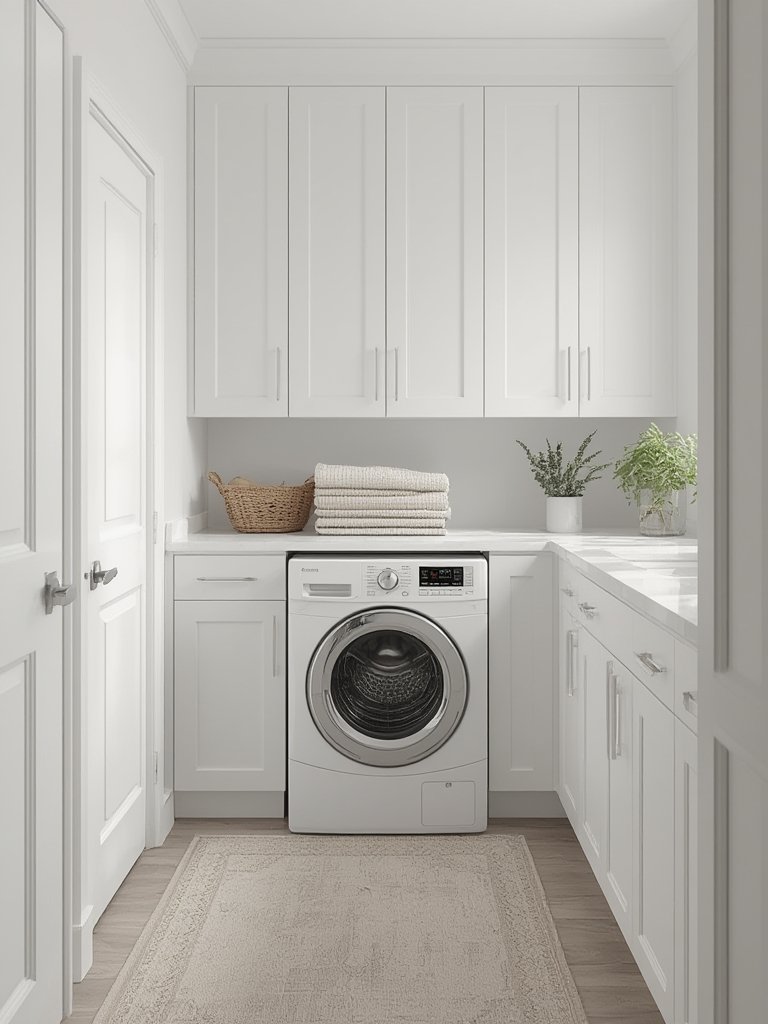
Ventless washer dryer combos are a smart solution for people in apartments or ADUs who need laundry flexibility without the headache of venting or 220V wiring. They’re energy efficient, can cut utility bills, and install almost anywhere—but expect slower cycles, require rigid HE detergent use, and need routine filter cleaning to keep them running smoothly. If you value flexibility and lower energy bills above fast throughput, the ventless washer dryer is worth serious consideration. Ready to modernize your laundry setup? Compare reliable ventless options and plan your space upgrade today.
Frequently Asked Questions
Are ventless washer dryer combos really energy efficient?
Yes, especially new heat pump models—they use at least 28% less energy than traditional vented dryers. Some models, like the GE Profile UltraFast, cut drying energy in half compared to conventional dryers (source).
How long does a full cycle take in a ventless combo unit?
Expect 2 to 4 hours for a full wash and dry. Smaller or modern units can complete a cycle in under 200 minutes. Bulky loads or heavy fabrics may need extra drying time.
Do ventless units need special wiring or venting?
No. Most ventless washer dryers plug into a regular 110-120V outlet and need only access to water supply and a drain. There’s no need for an external vent or high-voltage wiring (source).
What maintenance is required for a ventless washer dryer?
Clean the lint filter after every load, run a drum clean cycle as recommended (often monthly), and use only HE detergent. Failing to do these increases service calls and shortens unit life (source).
Who should and shouldn’t buy a ventless washer dryer?
They’re perfect for city apartments, ADUs, or any space lacking external venting options—especially where quick installation and low energy use are crucial. For large families who do multiple loads a day, a standard vented washer and dryer may be a better choice for speed and reliability.
—
Modern Purair
416 Meridian Ꮢd SE #14A, Calgary
AB T2A 1X2, Canada
(403) 800-7254
hvac pros