


### Blog Post:
Smart electrical panel upgrade projects are on the rise as homeowners look to future-proof their homes, cut energy costs, and prepare for solar and EV adoption. But are these high-tech panels really worth the investment, and how do they compare to standard electrical panels? Here’s a practical guide that breaks down the real-world costs, benefits, and downsides of upgrading to a smart electrical panel in 2024.
Key Takeaways
- Smart electrical panel upgrades cost significantly more than traditional panels but offer advanced features like app-based controls, circuit-level monitoring, and future-ready expansion.
- Real user reliability data and quantifiable ROI figures are still lacking, so approach with realistic expectations on savings and long-term performance.
- Professional installation is mandatory—DIY is not an option due to code, safety, and complexity requirements.
- The Core Concept: What Is a Smart Electrical Panel Upgrade?
- Step-by-Step Guide: How to Upgrade to a Smart Electrical Panel
- Advanced Analysis & Common Pitfalls
- Conclusion
- FAQ
The Core Concept: What Is a Smart Electrical Panel Upgrade?
A smart electrical panel upgrade goes beyond simple circuit breakers and lets you monitor, manage, and often automate your home’s electricity in real time—down to individual circuits. Unlike standard panels, smart panels add intelligence via Wi-Fi-connected controls, smartphone apps, and built-in compatibility for solar, batteries, and EVs. This lets you track usage, prioritize essential loads during outages, and prepare for future home electrification projects.
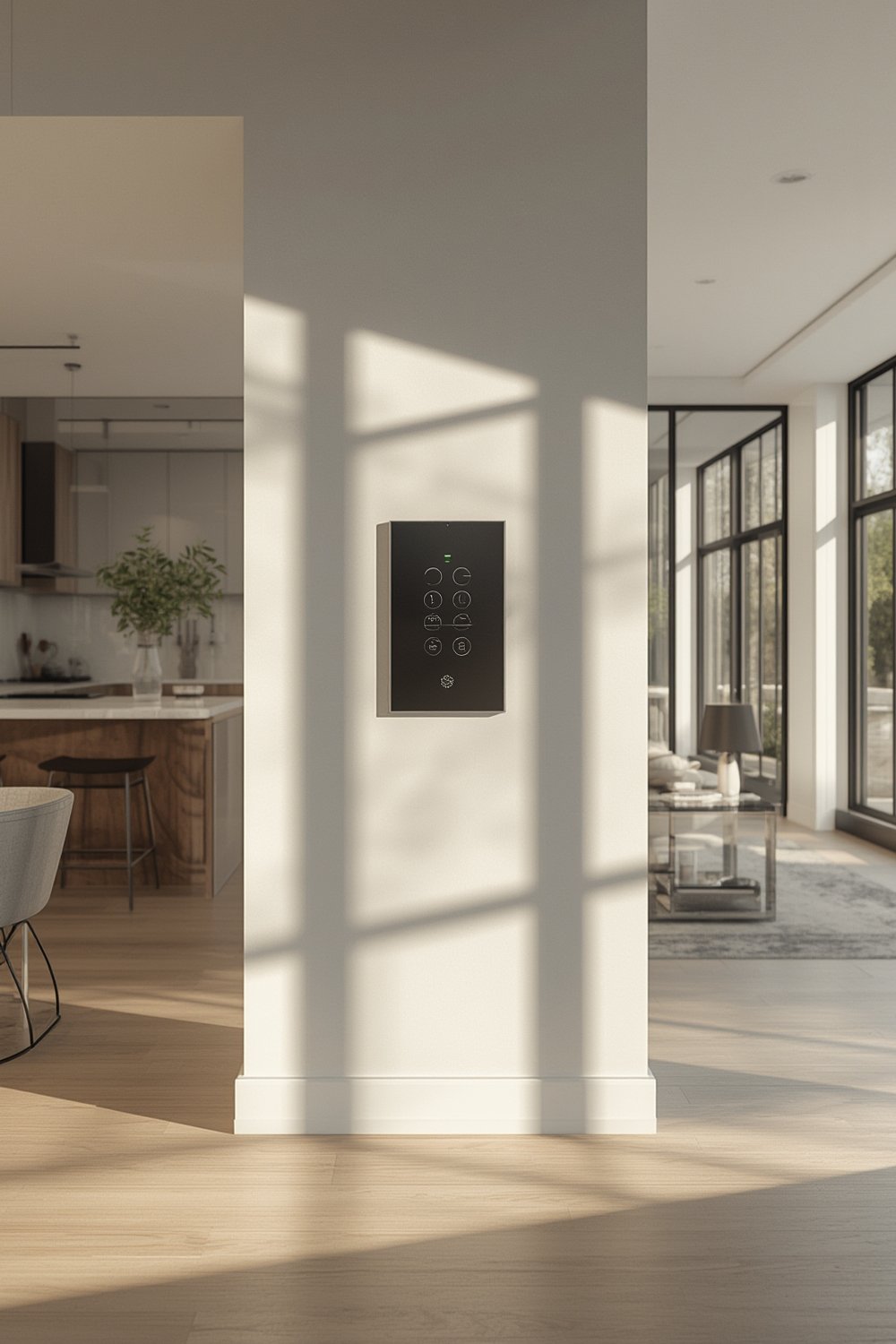
Compared to a standard electrical panel—which simply distributes power and protects circuits—smart panels provide detailed energy analytics, app-based remote switching, advanced safety features, and the ability to integrate with home energy systems. Leading models like SPAN and Lumin can coordinate with solar panels, home EV chargers, and battery backup to intelligently manage loads at all times.
If you’re considering high-impact energy upgrades like a heat pump water heater, or planning to install a Level 2 home EV charger, a smart panel can streamline your future electrification steps and may reduce electrical service upgrade costs.
Step-by-Step Guide: How to Upgrade to a Smart Electrical Panel
Upgrading to a smart electrical panel is a multistep process that blends planning, hiring, installation, and setup. Here’s how to do it safely and efficiently:
-
Assess Your Home’s Electrical Needs.
- List all existing and planned high-powered appliances: EV chargers, heat pumps, battery storage, etc.
- Determine if you need a full electrical panel replacement or a retrofit smart module for select loads.
-
Choose the Right Smart Panel System.
- Compare brands like SPAN, Lumin, Savant—consider the number of controllable circuits and compatibility with batteries, solar, and EVs.
- For a deep dive into EV charging-ready setups, see our step-by-step EV charging guide.
-
Hire a Licensed Electrician.
- Get 2-3 quotes from professionals with smart panel experience.
- Confirm your chosen system meets NEC and local code requirements.
-
Schedule the Upgrade.
- Coordinate with your utility for main service shutoff if the whole panel is being replaced (may require 1-2 weeks’ notice).
- Plan for 4-8 hours of power interruption for a typical installation.
-
Install and Configure the Panel.
- Let the electrician handle wiring, mounting, and safety checks.
- After install: set up Wi-Fi, app accounts, and label each circuit virtually.
- Configure load management, schedules, and any integration with solar, battery, or backup power.
-
Complete Inspection and Testing.
- Local building inspector signs off on the installation—don’t skip this step!
- Test every circuit with your electrician and ensure app control works as expected.
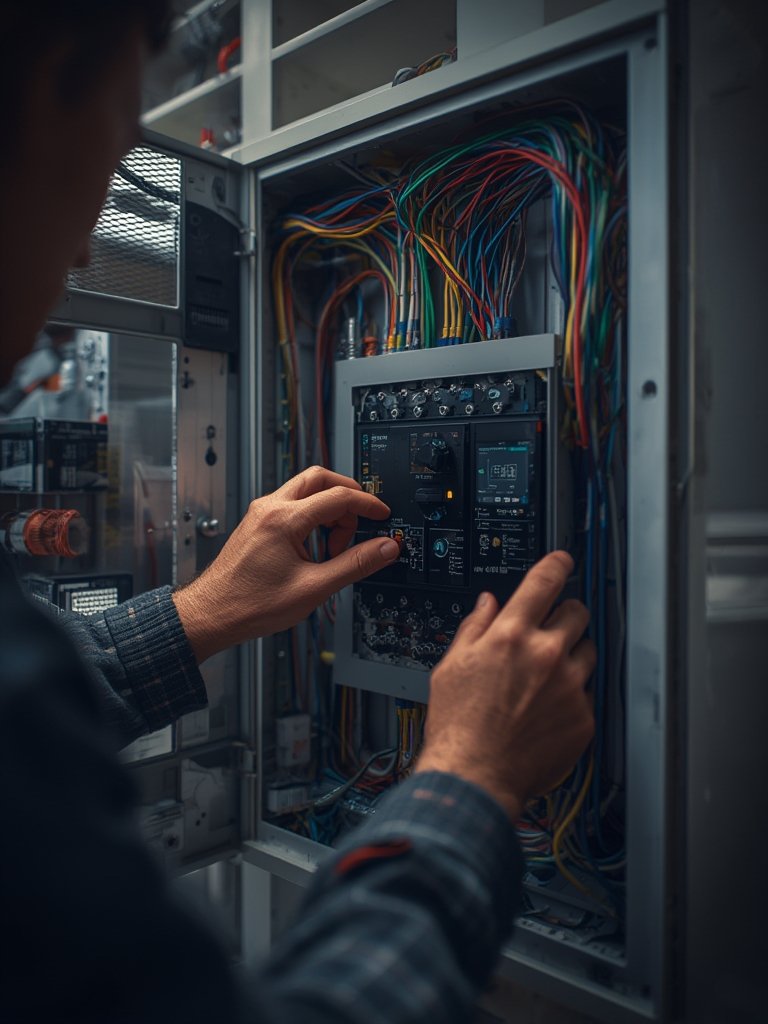
If you plan to install other smart upgrades like a hybrid water heater or an advanced DIY accent wall, coordinate with your contractor to minimize home disruption and ensure all new loads are planned into the smart panel for intelligent management.
Advanced Analysis & Common Pitfalls
While smart electrical panels promise future-ready convenience, there are realistic concerns and common pitfalls you need to know. Here’s what recent research data and field reports reveal:
Common Pitfalls and Issues
- High Upfront Cost: Smart panels typically range from $4,000 to $12,000 installed (source), compared to less than $1,000 for a standard panel. This cost can double if major rewiring is needed (see detailed cost breakdown here).
- Mandatory Internet Connection: If your Wi-Fi or the smart panel’s server goes down, remote monitoring and app-based control won’t work. This can be a major downside if your connectivity is unreliable.
- Repair & Replacement Costs: Smart panel components are non-standard. If something breaks, repairs or replacements are costlier and may require specialized parts or direct manufacturer support.
- Panel Space Limitations: Modular or retrofit systems (like Savant) eat up wall space and may not support whole-home control, forcing upgrades if you add more circuits later.
- Lack of Reliable User Data: There are limited published statistics on failure rates, long-term reliability, or actual energy savings. No comprehensive user review databases currently exist for these systems (more details).
Smart vs. Standard Panel Feature Comparison
| Feature | Smart Panel | Standard Panel |
|---|---|---|
| Circuit Monitoring | Individual tracking and control | None |
| Load Management | Automated, app-based | Manual, physical breakers only |
| Solar & Battery Integration | Supported | Usually not compatible |
| EV Charging Support | Future-ready (see details) | Requires costly upgrades |
| Remote App Control | Yes | No |
| Self-Diagnostic Safety | Yes (fire prevention technology) | Minimal |
| Backup Power Management | Prioritizes essential circuits | Not supported |
| Internet Dependence | Required for advanced features | Not required |
If you want a deep dive on how federal energy policies and incentives may apply—especially if you’re pairing a panel upgrade with efficiency upgrades—read our IRA tax credit water heater guide.
Installation Process Differences: What to Expect
- Disruption: Both smart and standard panels require 4–8 hours for installation, with a full power shutdown. However, smart panels demand longer setup after wiring—including Wi-Fi/account setup, circuit labeling, and load programming.
- Retrofitting vs. Full Replacement: Retrofitting a smart module is faster and less costly for select loads, but only covers 8-12 circuits. Full panel replacements are more expensive and may require rewiring.
- Mandatory Professional Install: U.S. and local code strictly prohibit DIY installs. High-voltage connections mean this is always a job for licensed electricians only.

Critical Gaps: What Competitor Articles Don’t Tell You
- No published real-world reliability metrics—failure rates, uptime, or app bugs for major brands.
- Missing payback period and quantifiable ROI data. Concrete savings numbers over 5–10 years are not yet available.
- Lack of detailed integration specs (e.g., EV charging standards, load switching algorithms, software update paths).
If you’re interested in visual smart home upgrades beyond energy, check out our popular guide to DIY fluted wall panels for a design-forward project you can tackle yourself.
Conclusion
Upgrading to a smart electrical panel can empower your home with circuit-level monitoring, app-based control, and advanced future readiness—but it comes at a premium price and requires certified professional installation. Current solutions like SPAN and Lumin offer excellent features for tech-forward households, yet there are open questions around long-term reliability and measurable energy bill reductions.
If you’re evaluating a smart electrical panel upgrade, weigh your current and future energy upgrades—such as solar, batteries, or an EV charger—against your budget and expectations. For most, a smart panel makes the most sense when bundled with a larger electrification plan. Always request up-to-date quotes, check for regional incentives, and consult with a qualified electrician who understands your local codes.
Ready to take the next step? Connect with a licensed electrician to scope your smart upgrade—then check out our guides on related projects like heat pump water heaters and home EV charger installation to maximize your investment.
FAQ
How much does a smart electrical panel upgrade cost on average?
Most full smart panel upgrades land between $4,000 and $9,000 including installation, though high-end options can top $12,000. Retrofitting a modular smart panel to an existing setup can cost as little as $2,000, but covers fewer circuits.
Can I install a smart electrical panel myself?
No. Smart panel installation must be done by a licensed electrician to meet safety codes and avoid electrical hazards. DIY is not safe or legal for this type of upgrade.
Will a smart panel save me money on my electric bill?
Smart panels can help you reduce energy consumption and prioritize essential loads, but there’s no published data showing average savings or payback periods yet. Actual savings depend on how you use the panel’s energy monitoring and controls.
Are smart panels required for installing solar or an EV charger?
No, but they simplify integration and make advanced load management easier. If you plan multiple electrification projects, a smart panel can future-proof your system and may help you avoid costly main service upgrades.
What’s the difference between a retrofit and an integrated smart panel?
Retrofit modules work alongside your existing electrical panel and manage select circuits—ideal for smaller upgrades. Integrated smart panels replace your whole panel for total home coverage, but cost more and often require more labor.
—
[…] bill savings. For tenants or owners who can’t modify home infrastructure—or who want to avoid smart electrical panel upgrades or ductwork—ventless units are often the only […]
[…] Evaluate Your Electrical Panel: Check your main electrical panel’s capacity. Level 2 chargers often need a 40A circuit, so if your panel is already full or is less than 200A, factor in $500–$2,000 for a panel upgrade or subpanel. Learn more about smart upgrades with our smart electrical panel upgrade guide. […]