


home air quality monitor technology is no longer a luxury—with rising indoor air pollution levels and health risks, it’s become an essential tool for every household looking to breathe safer air.
Key Takeaways
- Indoor air pollutants in modern homes can be 2 to 12 times higher than outdoors, driving serious health issues like asthma and heart disease.
- Home air quality monitors make these invisible dangers visible, helping you take action and improve your environment.
- Accuracy, sensor coverage, and smart integration vary widely—choosing the right monitor means understanding real limitations and your actual needs.
- Understanding Home Air Quality Monitors
- Step-by-Step: How to Use and Optimize Your Home Air Quality Monitor
- Advanced Analysis and Common Pitfalls
- Conclusion
- Frequently Asked Questions
Understanding Home Air Quality Monitors
Modern homes have become tightly sealed for energy efficiency. While this reduces your energy bill, it also means pollutants from everyday activities become trapped inside. Studies show people spend roughly 90% of their time indoors, where pollutants like VOCs (volatile organic compounds), PM2.5 (fine particles), and carbon dioxide routinely exceed outdoor levels by 2 to 12 times. High indoor pollution is recognized by the EPA as a top five environmental health risk, closely linked to respiratory problems, fatigue, and chronic illnesses.
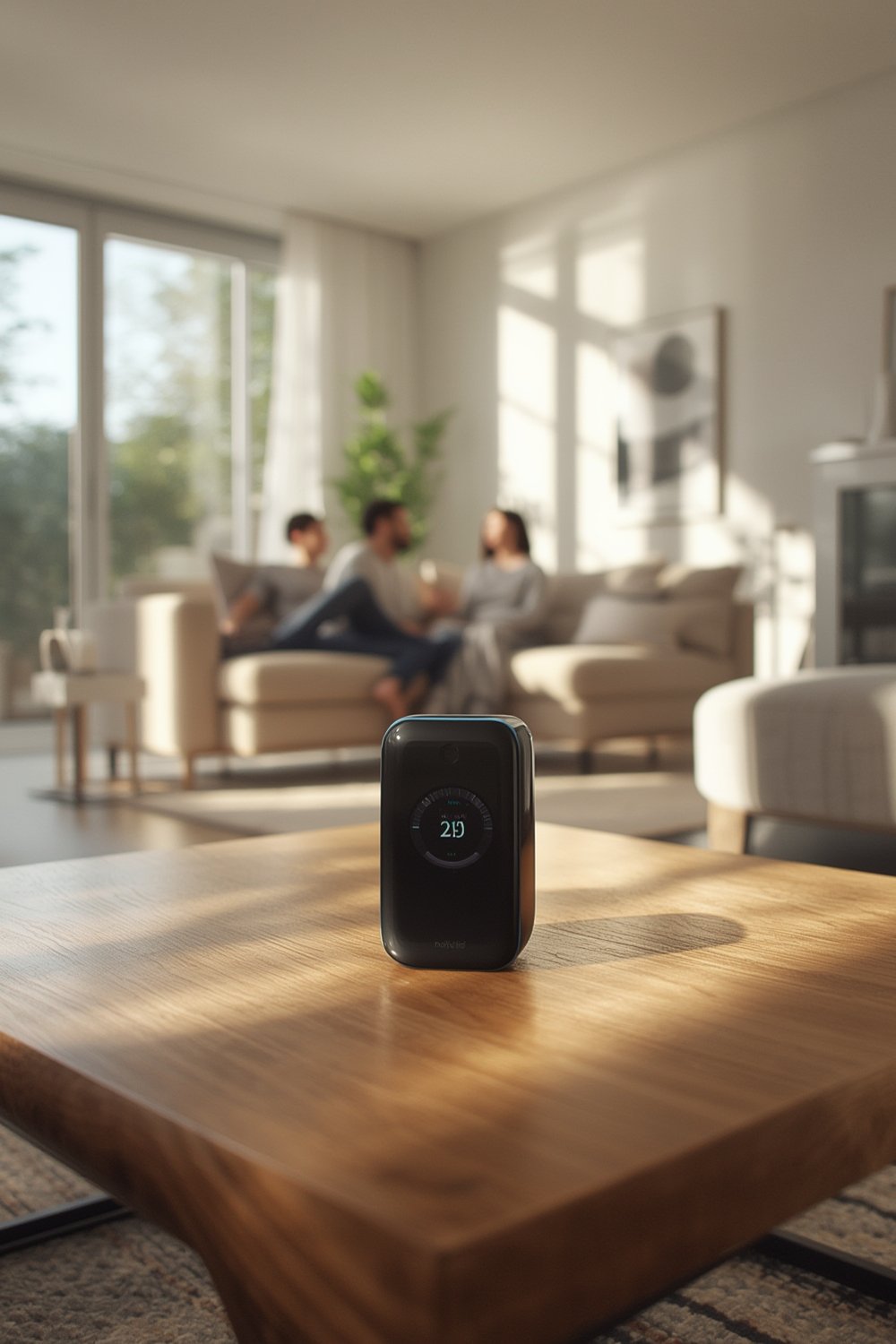
A home air quality monitor tracks levels of multiple indoor pollutants in real time. It acts as an early-warning system—alerting you when particles, gases, or CO2 spike so you can respond before your health is at risk. Reliable detection is crucial, especially during wildfire events, cold seasons, or if you live in a city with frequent ozone alerts. A smart monitor can transform how you manage your indoor environment, protect sensitive family members, and even optimize your use of appliances like heat pump water heaters for both comfort and air quality.
Step-by-Step: How to Use and Optimize Your Home Air Quality Monitor
1. Identify Your Priorities
Are you mostly worried about wildfire smoke, allergy triggers, or invisible gases like radon and CO2? Start by listing your main household activities—cooking, fireplace use, use of strong cleaners, or possible presence of mold—then match monitors with sensors that track those priorities.
2. Choose an Appropriate Monitor
Compare models by pollutant types detected (PM2.5, VOCs, CO2, humidity, and radon), sensitivity, connectivity (Wi-Fi, app control), and ongoing costs (some require replacement sensors). Price can range from $80 for basic smart PM2.5 units up to $350+ for multi-sensor, smart home-integrated models.
3. Set Up and Calibrate
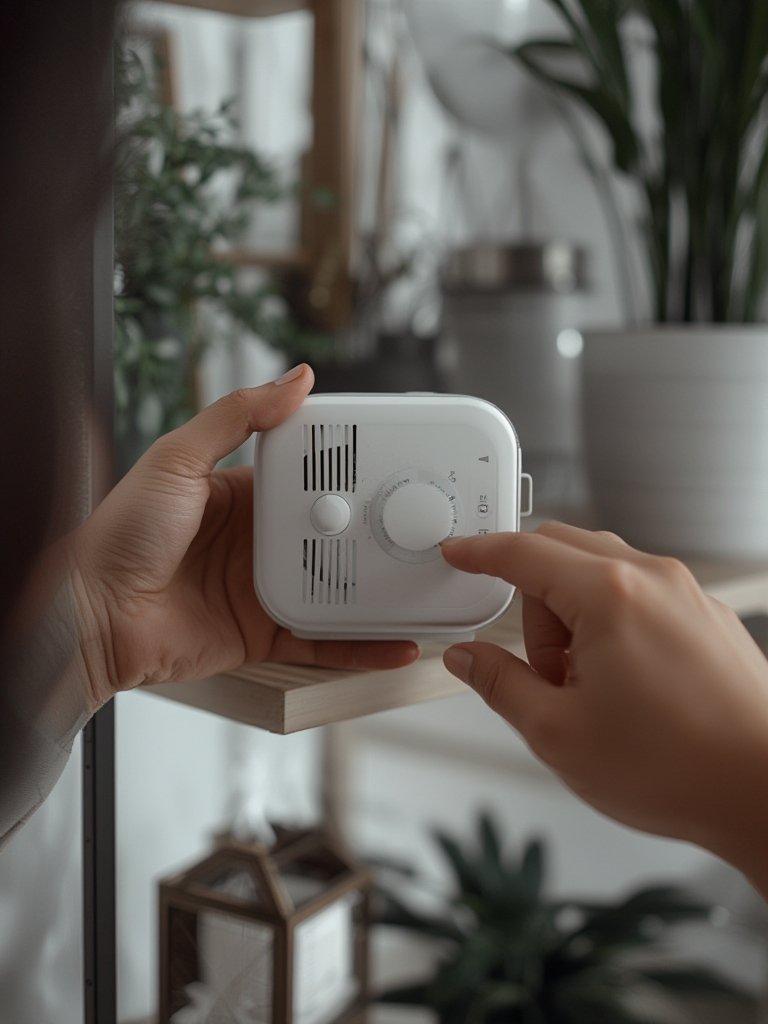
Install the monitor according to manufacturer instructions—usually at breathing height away from direct airflow from vents, windows, or fans. Allow 24 hours for the monitor to calibrate to your indoor baseline. If your model offers app integration, configure alerts for dangerous pollutant levels (e.g., PM2.5 above 35 μg/m³, CO2 above 1,000 ppm).
4. Respond and Improve Air Quality
If your monitor detects high levels, respond immediately. Use exhaust fans while cooking, run a HEPA purifier, open windows during safe outdoor conditions, and eliminate known sources (e.g., switch from harsh cleaning sprays or avoid burning candles indoors). Strategic upgrades—such as installing a whole home generator for lifesaving ventilation during power outages, or adding a ventless washer dryer—can boost both comfort and air quality.
5. Track Data and Adjust Habits
Most smart monitors provide historical air quality trends. Review the data weekly: did PM2.5 spike on laundry days, or does humidity drop in winter? Use these insights to adjust HVAC schedules, appliance use, or even take advantage of solutions like home battery storage systems to keep purifiers running during outages.
Advanced Analysis and Common Pitfalls
Home air quality monitors are powerful—but not perfect. Here’s what to watch for, based on hard evidence and current limitations:
- Accuracy Shortfalls: Most monitors available to consumers do not match the precision of professional, calibrated laboratory sensors. VOC and PM2.5 readings can drift over time, and lower-cost models sometimes miss certain contaminants or report false positives from things like humidity or household aerosols.
- Sensor Coverage: No single device can monitor every dangerous air pollutant. For example, radon is invisible and odorless—but few monitors track it. Others may lack formaldehyde or ozone sensing. Research what YOUR risks are before buying.
- Smart Home Limitations: While the market for indoor air quality (IAQ) monitoring is booming (projected to exceed $8.1 billion by 2026), true hands-free automation and reliable voice integrations remain spotty. Smart home compatibility is not universal—some brands don’t integrate seamlessly with Alexa, Google Home, or IFTTT as of late 2023.
- Maintenance Needs: Sensor calibration, app software updates, and filter changes (in monitoring/purifier combos) require hands-on attention. Neglect can quickly reduce accuracy.
| Feature | Basic Home Monitors ($80-$130) | Premium Smart Monitors ($180+) | Professional Sensors ($500+) |
|---|---|---|---|
| PM2.5 Detection | Basic, limited sensitivity | High sensitivity, real-time logging | Lab-grade accuracy, calibration required |
| VOC Sensing | Yes, but can be imprecise | Better specificity, multiple gas types | Industry-standard accuracy |
| CO2/Radon Monitoring | Rarely included | Optional, sometimes included | Full range, regulatory grade |
| Smart Home Integration | Limited or none | Often supports Alexa/Google—check details | Rare, may require custom setup |
| Ongoing Maintenance | Low, but shorter life | Medium—sensor calibration/updates | High, professional recalibration |
According to research, air purifiers (especially using MERV 13 filters) can cut particulate levels by about 60% during wildfires, though most real homes still exceed ideal safety limits without more interventions. Consumer monitors are good for trend-spotting, but their action thresholds and accuracy are not always a substitute for professional assessments, especially if you have high-risk family members.

Conclusion
Indoor air pollution is a hidden risk in most homes, but a home air quality monitor makes invisible threats visible. Regular monitoring empowers you to act quickly, reduce long-term risks, and create a safer indoor environment. Choose a device that fits your real-world needs—keep calibration and limitations in mind—and use your monitor data to adjust habits or even guide larger home upgrades.
Don’t let uncertainty undermine your health—invest in a home air quality monitor today and start reclaiming the safety of your indoor air. Your lungs—and your family—will thank you.
Frequently Asked Questions
How often should I check my home air quality monitor?
For most households, check your air quality monitor once a day. Set up mobile alerts for dangerous levels, and review the app history weekly to identify trends or repeated spikes in specific rooms.
Where is the best place to install a home air quality monitor?
Position it in a central living area at breathing height, away from windows, vents, or direct sunlight. Temporarily relocate it near kitchens or basements during activities that might spike emissions, like cooking or cleaning.
Are home air quality monitors accurate enough to rely on for health decisions?
They are useful for spotting large trends and dangerous spikes, but may lack the precision of lab-grade sensors. For critical health issues or buildings with persistent, unexplained symptoms, professional testing is recommended.
What pollutants do most home air quality monitors detect?
The most common types include PM2.5, VOCs, CO2, temperature, and humidity. Some higher-end models also offer radon, formaldehyde, or carbon monoxide detection. Always check technical specs to ensure coverage of your top concerns.
Can air quality monitors connect with other smart home devices?
Yes, but integration varies. Some models can trigger smart air purifiers or HVAC adjustments via Alexa, Google Home, or IFTTT, but reliable automation is not yet universal as of 2024. Research brand compatibility before purchase.