


Heat pump water heater technology is quickly transforming how homeowners slash water heating costs, cut environmental impact, and future-proof their homes. If you want to know exactly how this system compares to your current setup—and what to watch out for—you’re in the right place.
Key Takeaways
- Heat pump water heaters are 2-4 times more energy efficient than traditional electric water heaters and can deliver annual energy bill savings of up to $550 for a family of four.
- While installation costs are higher upfront, heat pump water heaters pay off over time through lower energy consumption and may qualify for tax credits or local rebates.
- Potential downsides include space/venting needs, climate-driven performance drops in cold regions, and a typical lifespan of about ten years for hybrid models.
- 1. The Core Concept
- 2. Step-by-Step Guide
- 3. Advanced Analysis & Common Pitfalls
- 4. Conclusion
- 5. FAQ
The Core Concept
Heat pump water heaters—also known as hybrid water heaters—work by extracting heat from surrounding air to warm your home’s water. Unlike old-school electric resistance units that generate heat directly, this system uses a compressor and refrigerant cycle. Efficiency is the star: ENERGY STAR certification means these units use up to 70 percent less energy than a typical electric water heater. Compared to conventional gas models, savings are even greater, making them a top water heater upgrade for homeowners eyeing lower monthly bills and a greener home footprint.
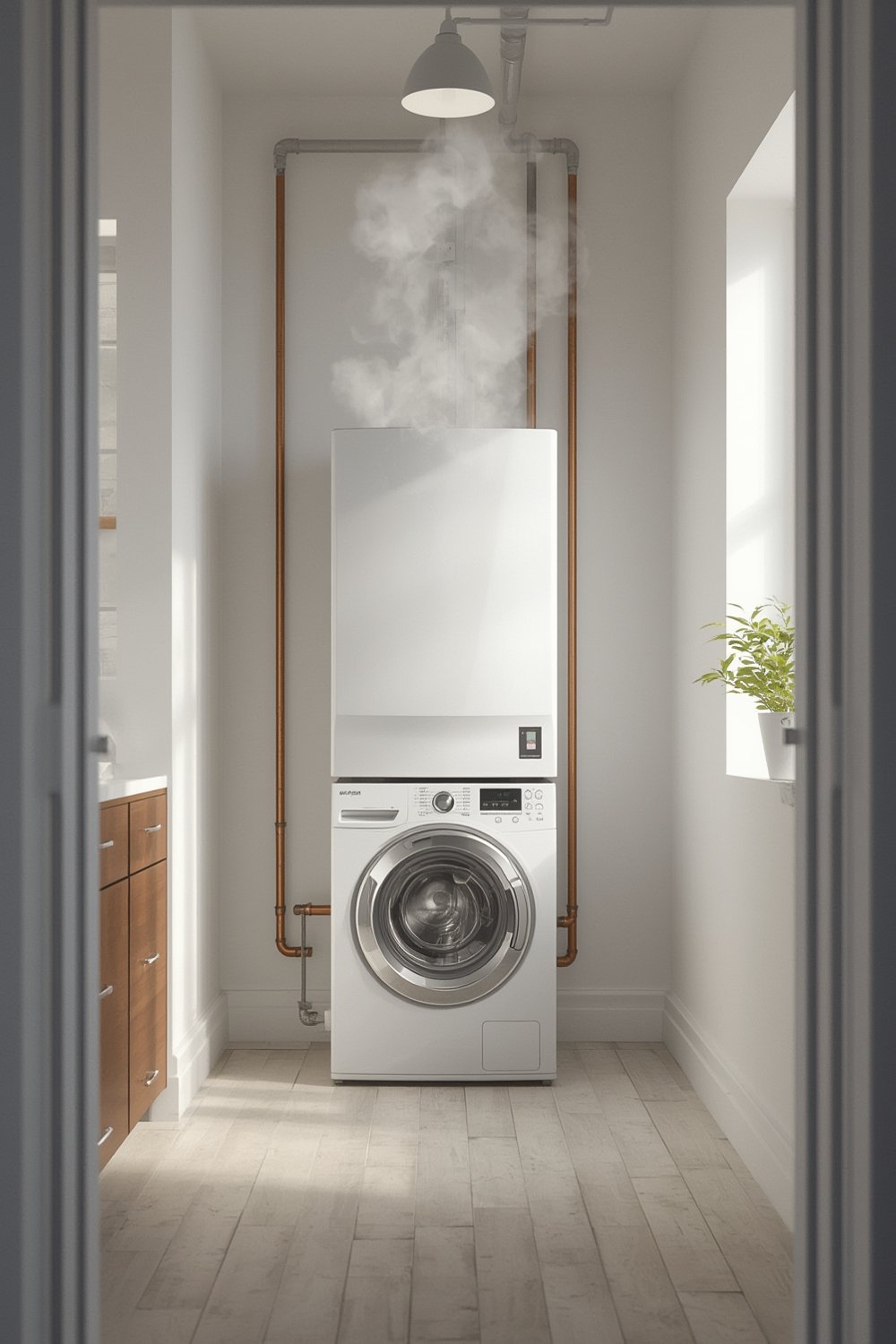
This leap in efficiency translates into major cost reductions. A family of four could save up to $550 annually on heating water alone, with potential lifetime savings over $5,600. However, it’s not just about the numbers—if you live in a mild or moderate climate, a heat pump water heater will almost always outperform a gas or electric tank unit.
If you’re looking into rebates, smarter home integrations, or even thinking of switching from a gas model, you’ll find a detailed, step-by-step walkthrough in our Heat Pump Water Heater: Proven Guide.
Step-by-Step Guide
Here’s how to maximize savings—and prevent headaches—when buying and installing a heat pump water heater.
- Assess Location and Space
- Heat pump water heaters are taller and often bulkier than standard tanks. You’ll need extra space and at least 700–1,000 cubic feet of room for good airflow.
- Account for ventilation—these systems expel cooler air into the room while operating.
- If your current water heater is in a small closet, a hybrid model likely won’t fit.
- Confirm Climate Suitability
- Best results are in moderate to warm climates. In cold climates, choose a model specifically rated for low temperatures or consider a “hybrid” mode for backup heating.
- Some users in very cold areas have better luck with traditional or tankless models. If your region gets harsh winters, read our guide on maximizing hybrid water heater efficiency year-round.
- Budget for Upfront Costs and Installation
- A typical hybrid heat pump water heater costs close to $3,000 before rebates or tax credits.
- Tankless options hover around $1,600, but offer different performance and space profiles.
- Installation is usually more complex than swapping a standard tank. Get quotes from licensed HVAC pros experienced with high-efficiency water heaters.
- Plan for Condensation Management
- Heat pumps “wring” moisture from air—condensate pump must drain to a floor drain or pump (installing a condensate pump is often required in basements or retrofits).
- Failure to manage this can lead to unwanted puddles or even water damage.
- Activate Rebates and Credits
- Check ENERGY STAR, state, and local utility websites for up-to-date rebate programs. Many heat pump water heaters qualify for federal credits (see our detailed tax credit and incentive guide).
- Keep receipts and installation invoices—you’ll need proof for any rebate claims or tax filings.
- Set Hybrid Modes for Peak Demand
- Most units allow switching between efficient “heat pump only” mode and hybrid—or even standard electric backup—for times of high hot water demand (large families or guests).
- Schedule Regular Maintenance
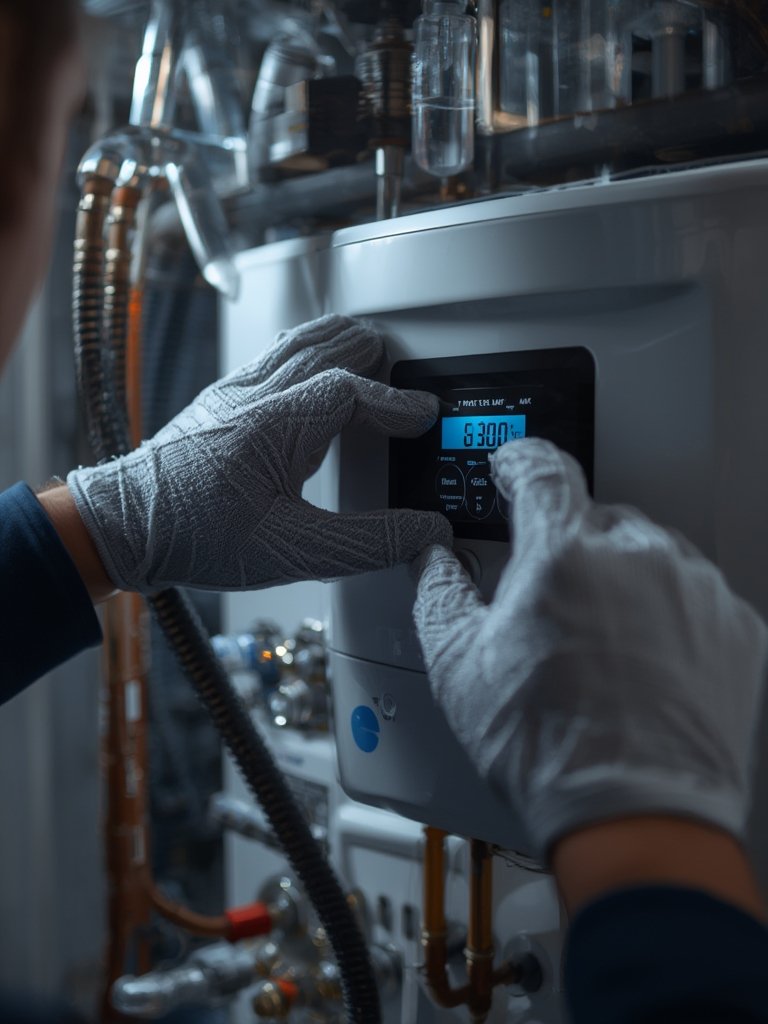
- Heat pump units typically require less maintenance than traditional tanks, but check air filters and condensation drains yearly to prevent clogs or efficiency drops.
- Refer to our in-depth article on reducing long-term water heating costs.
Want even more savings? Pair your installation with an energy-efficient electric vehicle charging station—learn how in our Home EV Charger Installation Guide.
Advanced Analysis & Common Pitfalls
Even as high-efficiency heat pump water heaters become easier to install, there are key drawbacks and overlooked risks you should understand. The most common pitfalls arise around installation, real operating costs, and how these systems handle real world stress.
| System Type | Annual Efficiency Rating | Expected Lifespan | Upfront Cost* | Climate Suitability | Special Requirements |
|---|---|---|---|---|---|
| Heat Pump (Hybrid) | 2-4x that of electric | ~10 years | $2,500–$3,500 | Moderate to warm | Ventilation & drainage |
| Electric Resistance | Standard baseline | ~10–15 years | $800–$1,400 | Any | None |
| Gas Storage | Low to moderate | ~10–15 years | $900–$1,800 | Any | Venting/flue |
| Tankless (Gas/Electric) | High (varies by brand) | ~20 years | $1,300–$3,000 | Any | Line upgrade, venting |
- Climate Performance: If your home’s basement drops below 40°F, expect slower recovery and reduced efficiency unless you buy a cold-climate specific model. According to the Consumer Reports Water Heater Guide, performance in cold ambient air is the number one complaint in user reviews.
- Space Needs & Noise: Heat pump water heaters need more room and dedicated venting. They are also louder than a traditional water tank, though most users report sound is manageable when units are in a garage or utility room.
- Lifespan & ROI: While manufacturers advertise up to 10-year warranties, hybrids rarely last as long as a tankless unit. The payoff for most homeowners comes from energy savings in years 3–6 of ownership. Regionally, factors like electric rates, climate, and installation cost can shift real-world ROI significantly. For deeper ROI and installation scenarios, see our complete comparison guide.
- Rebates and Credits: As of 2024, many state or utility rebates remain—but local details and eligibility shift frequently. Up-to-date listings are available from the ENERGY STAR Heat Pump Water Heater Program.
- Maintenance and Condensate: Every hybrid unit produces condensation—plan for floor drains or a pump. Filters must be checked to keep airflow—and efficiency—high.
- Smart Home Integration: Few guides mention that many new heat pump water heater models can be integrated with Smart Home Integration demand-response utility programs or smart thermostats for dynamic energy savings. Research your brand for compatibility before buying.

Conclusion
Heat pump water heaters can deliver stellar efficiency, dramatic energy savings, and steady hot water—provided you’re prepared for the unique installation and climate realities. They demand a little more planning than standard water tanks, but savvy homeowners are already seeing real long-term returns, especially in moderate climates.
Still on the fence? Explore advanced strategies and more in our Ultimate Heat Pump Water Heater Guide for deep dives, savings calculators, and maintenance schedules.
Now’s the time to invest in a heat pump water heater—review your home’s setup, claim the right incentives, and take your first step toward lower bills and a cleaner home footprint.
FAQ
How much can I actually save on my energy bills with a heat pump water heater?
Many families save $300–$600 annually, or around $550 as a national average, compared to standard electric water heaters. Your exact savings depend on local electricity rates and household water use.
Will a heat pump water heater work in a cold basement?
Efficiency and recovery rates will drop in cold basements, especially below 40°F. For cold climates, choose a model rated for low temperatures or set it in a semi-conditioned space. Some advanced units offer “hybrid” backup heating for these periods.
How long does a heat pump water heater last?
Hybrid models generally last about 10 years—less than a tankless water heater, which can exceed 20 years, but similar to most tank-style heaters.
Are there tax credits or rebates available?
Yes, but the amount and criteria depend on your region and federal policy changes. Many ENERGY STAR certified heat pump water heaters qualify for federal tax credits and local utility rebates. Visit the official ENERGY STAR rebate directory for details.
What’s the main drawback versus a traditional water heater?
Upfront costs are higher and installation can be trickier. Hybrid models require more space and must accommodate condensate drainage and airflow. Very cold climates can trigger performance drops unless you purchase a specifically rated unit.
[…] require? And—crucially—is the investment worth it compared to other home upgrades like a heat pump water heater or a level 2 EV charger for boosting home value and […]