


Spa bathroom remodel ideas are the fastest way to turn a tired bathroom into a relaxing retreat and boost daily comfort, but understanding what’s involved (and what it really costs) is essential. Whether your budget is $10,000 or $100,000, this guide explains exactly how to achieve a high-end look—without costly missteps.
Key Takeaways
- The average spa bathroom remodel ranges from $25,000–$50,000, but high-end projects can reach $135,000 based on 2024–2026 data.
- Retaining your existing layout and focusing on cosmetic upgrades is the most budget-friendly way to add spa features in small or older homes.
- Phased upgrades—like new tile, a rainfall showerhead, improved lighting, and a freestanding tub—deliver the most value and impact for the dollar.
- The Core Concept: What Is a Spa Bathroom Remodel?
- Step-by-Step Guide: Transforming Your Bathroom Into a Spa Retreat
- Advanced Analysis & Common Pitfalls
- Conclusion
- FAQ
The Core Concept: What Is a Spa Bathroom Remodel?
A spa bathroom remodel isn’t just about throwing in a fancy tub or a new shower. It’s about creating an immersive, stress-reducing experience at home using thoughtful details—soothing colors, elegant tiles, indulgent fixtures, and calming lighting. The best spa bathrooms combine practicality and luxury to form a daily oasis, even in small spaces or older houses.
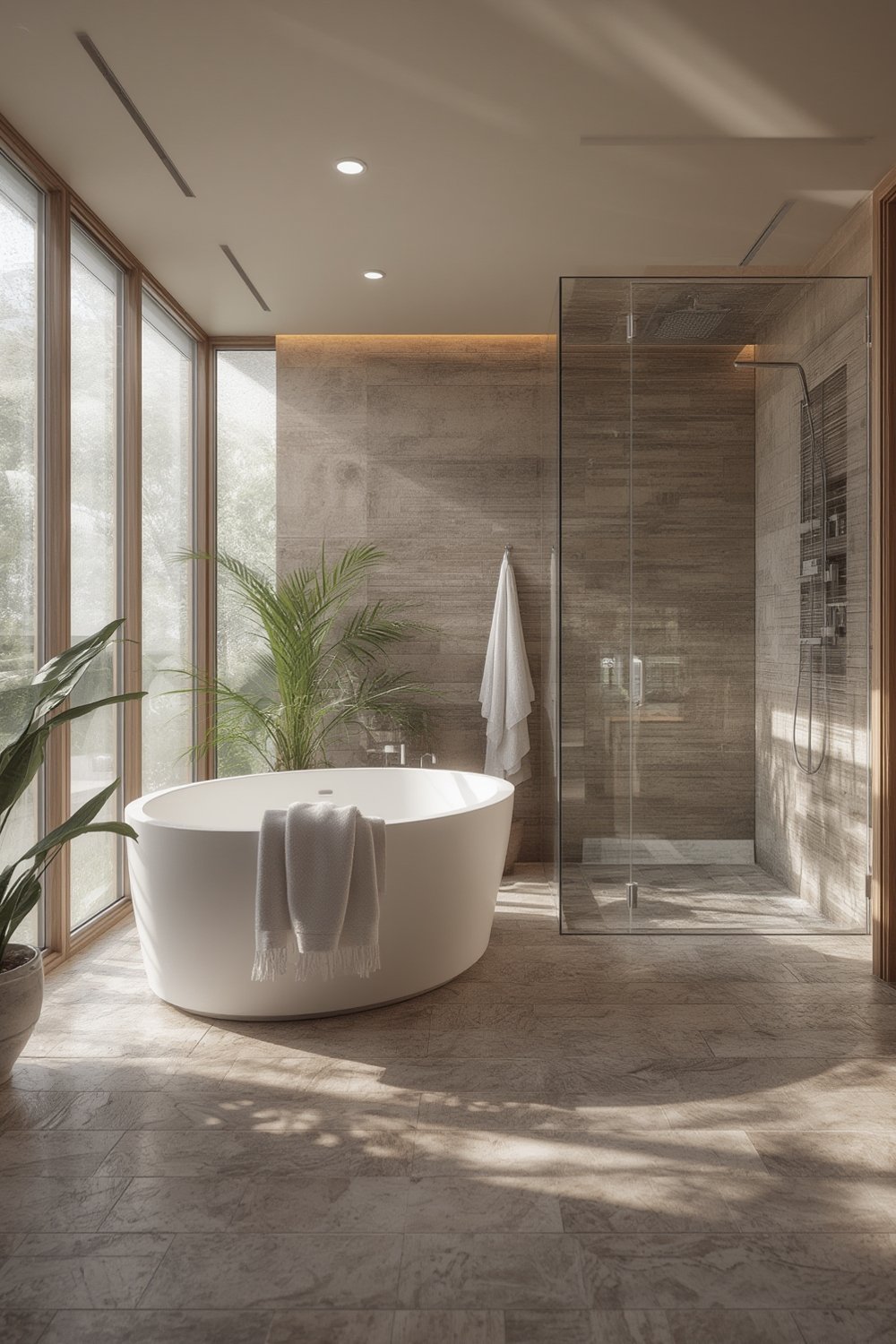
The average total cost for a mid-range spa bathroom is $25,000–$50,000 (source). Luxury versions push well above $100,000. What you choose depends on space, desired features, and willingness to invest for real relaxation. But regardless of your budget, there are smart ways to get the spa atmosphere—without breaking the bank.
Step-by-Step Guide: Transforming Your Bathroom Into a Spa Retreat
-
Assess Your Space and Set a Realistic Budget
- Start by evaluating the current layout. Avoid moving plumbing or walls unless absolutely needed, since structural changes can add $2,000–$25,000 (source).
- Define must-have spa features: heated floors, soaker tub, rainfall shower, lighting, premium tiles.
- Get a handle on the costs with real numbers. For example, permit and design fees will run roughly $2,200, and demo plus dumpsters another $2,500 (source).
-
Choose High-Impact Spa Features
- Freestanding soaker tub ($1,500–$10,000): Instant luxury, but make sure your space actually fits it.
- Heated floors ($300 and up): Often included in electrical/labor cost, create a major comfort upgrade.
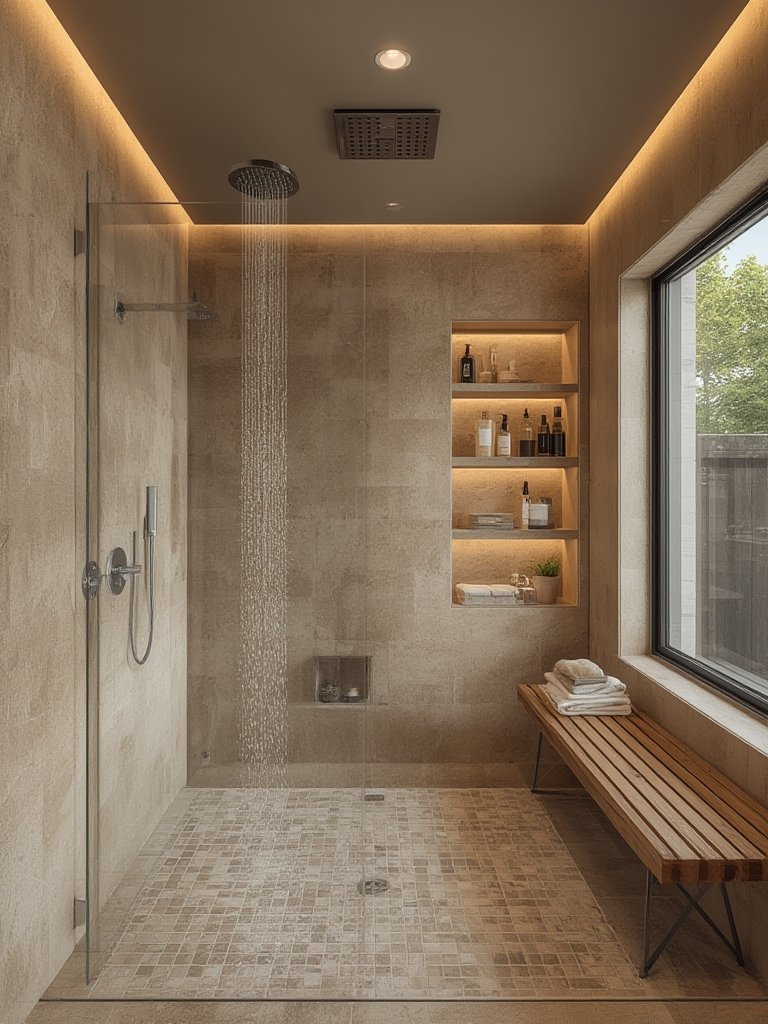
- Spa shower ($390–$17,000): Consider a rainfall showerhead for a realistic spa feel.
- Upgrade to luxury tile (budget at least $2,500, more for stone or heated options).
-
Optimize Lighting for Ambience
- Spa bathrooms depend on layered light—add dimmers, LED mirrors, and soft sconce fixtures. Expect to budget around $1,000 for lighting and fans (source).
-
Prioritize Minor Cosmetic Changes if You’re on a Tight Budget
- Swap standard mirrors for oversized framed ones. Update hardware and towel bars.
- Paint walls in serene colors, or use color drenching to enhance atmosphere affordably.
- Start with smaller upgrades like DIY fluted wall panels for a high-end touch on a budget.
-
Phase Your Remodel for Flexibility
- If budget is tight, tackle cosmetic upgrades first, then bigger spa features later. This phased approach maximizes visible impact quickly and gives you time to save for major improvements.
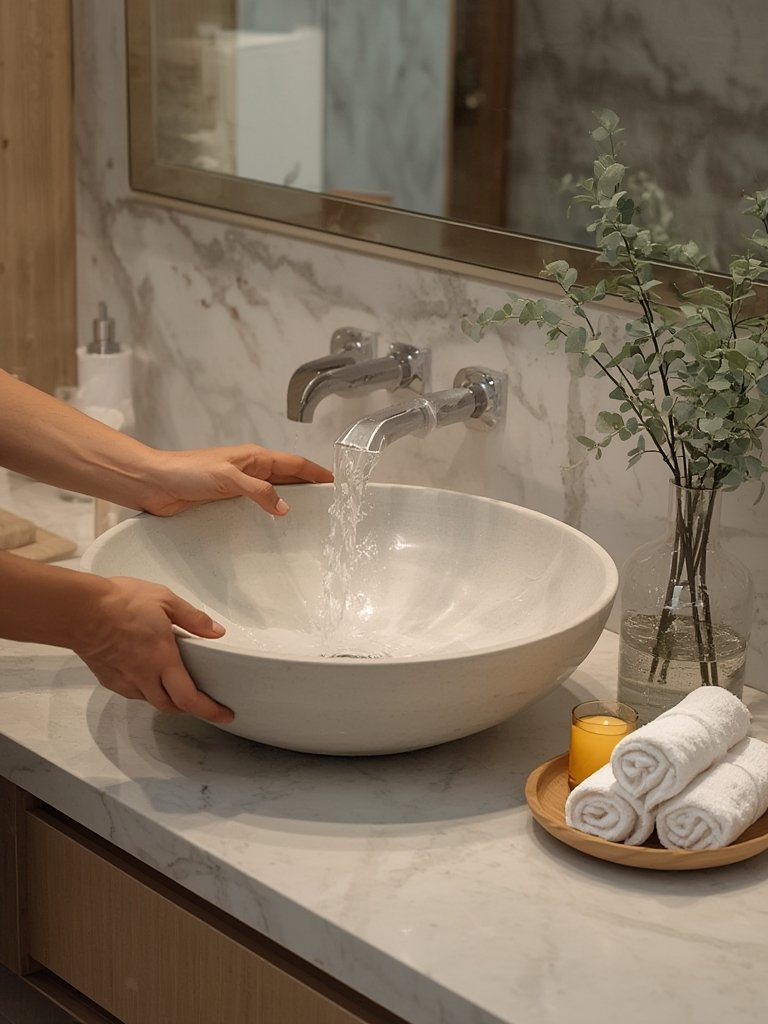
Keep in mind: Labor, quality level, and material choices impact costs more than square footage. Even very small bathrooms can become spa-like with tile, lighting, and fixture swaps—no major expansion required.
For a thorough upgrade, expect the following rough breakdown for a mid-sized spa remodel (source):
- Permit and Design: $2,200
- Demo & Dumpsters: $2,500
- Plumbing/Electrical/Labor: $6,500
- Insulation & Drywall: $2,500
- Vanity/Hardware/Kitchen: $3,300
- Countertop/Sink: $1,000
- Tile & Installation: $2,500+
- Fixtures: $2,500+
- Lighting/Fans: $1,000
- Painting: $1,500
Want a resale boost? Even cosmetic improvements yield strong ROI if done well. For structural upgrades that maximize comfort and value, prioritize walk-in showers and freestanding tubs if your space allows it.
Advanced Analysis & Common Pitfalls
Spa bathroom remodels are tempting, but users frequently underestimate the total cost and inconvenience—especially when chasing major layout changes or custom features. Here’s what to watch out for.
| Spa Feature | Cost Estimate | Hidden Risks | Value for Money |
|---|---|---|---|
| Freestanding Soaker Tub | $1,500–$10,000 |
May require reinforced floor or plumbing moves. Higher cleaning/maintenance needs. |
Excellent visual impact; boosts resale if space allows. |
| Walk-In Shower | $390–$17,000 |
Drains can be hard to relocate. Custom glass raises price quickly. |
Great ROI when done well; highly desirable for most buyers. |
| Heated Floor | $300–$2,000+ |
Requires demo and new underlayment. Not practical for quick DIY projects. |
Top comfort upgrade for cold climates; minor impact on resale. |
| Luxury Tile | $2,500 and up |
Natural stone/tile needs meticulous install and sealing. Can get very slippery. |
Upscale look, easy to customize; costs can spiral. |
Common mistakes include:
- Underestimating demo and rebuild costs (especially for layout changes)
- Choosing a tub or shower that’s too large for the space
- Ignoring impact of hard water or poor ventilation (mold, tile staining)
- Attempting too many upgrades at once—instead of phasing by budget and need
In older homes, skipping plumbing or electrical upgrades may cause further headaches down the line. Sometimes, smaller improvements—like improved soundproofing or low-maintenance washable rugs—yield more daily enjoyment than high-end fixtures alone.
Conclusion
The best spa bathroom remodel ideas balance luxury with practicality—and the smartest approach is a phased, budget-aware plan that targets the essentials: lighting, tile, a spa-worthy shower, and comfortable touches. Avoid major layout changes unless your budget is truly open-ended, and always factor in long-term maintenance needs. With the right plan, even small or older homes can achieve a daily spa experience using upgrades that pay off in both comfort and value.
Ready to start your own spa bathroom remodel ideas? Begin with a small confidence-boosting change, like updated lighting or a new vanity mirror. If you want to boost comfort further, explore energy-efficient upgrades such as a heat pump water heater or invest in smart controls for your next renovation.
For more inspiring upgrade tips, check out our advice on estimating paint costs or future-proofing your home EV charger installation—all proven ways to add daily value and comfort.
FAQ
How much does a spa bathroom remodel cost?
A complete spa bathroom remodel typically ranges from $25,000 to $50,000 for a mid-range project. Luxury spa bathrooms can exceed $100,000 depending on features, finishes, and layout changes (source).
Is it possible to create a spa bathroom in a small or older home?
Yes. Focus on easy upgrades like improved lighting, stylish tiles, mirrors, and a deep soaker tub or walk-in shower. Retain your current layout to avoid pricey structural work and maximize value.
Which spa features offer the best return on investment?
Walk-in showers, updated tile, quality lighting, and freestanding tubs tend to offer the highest ROI and strongest buyer appeal. Phased upgrades targeting these features deliver the most value for the dollar.
Are heated floors worth the extra cost?
If you live in a cold climate or hate stepping onto chilly tile, heated floors offer unmatched comfort for as little as $300–$2,000 installed. They are less critical for resale but greatly enhance daily enjoyment.
Can I DIY my spa bathroom remodel?
Basic updates like painting, adding mirrors, or swapping hardware are easy DIY wins. However, major electrical, plumbing, tile, or heated floor work is best left to professionals unless you have significant experience.
[…] Budget and Timeline: Research typical costs for items like a tub-to-shower conversion, zero-barrier install, or safety hardware. Major doorway widening is less common, with little cost transparency in 2024, so focus on high-leverage upgrades unless total accessibility is required. Consider financing via home equity, HSA funds, or local grants for aging-in-place. See spa bathroom remodel inspiration that complements safety features. […]