


Solar battery storage gives homeowners the power to keep lights on during blackouts and control rising electric bills, but what does it really cost and what’s hiding in the fine print? This guide cuts through the marketing to show you what it takes (and what can go wrong) if you want serious backup for your home in 2026.
Key Takeaways
- Whole-home backup solar battery storage systems in 2026 cost $21,000 to $46,000+, with premium setups topping $85,000; partial backups run $6,000–$18,000 before tax credits.
- Tesla Powerwall and Enphase IQ both offer ~90% efficiency, but differ in warranty, cost, expandability, and backup capability—choose based on household needs.
- Federal and state/utility incentives may lower costs, but rules change after 2025 and installation/retrofit can get complex fast—know the risks before you invest.
- What is Solar Battery Storage and Why Should Homeowners Care?
- How to Get Solar Battery Storage: Step-by-Step Setup Guide
- Advanced Analysis & Real-World Pitfalls of Solar Battery Storage
- Conclusion
- Frequently Asked Questions
What is Solar Battery Storage and Why Should Homeowners Care?
Solar battery storage means storing excess electricity from your solar panels in a rechargeable battery, so you can use clean power at night, during blackouts, or when utility prices spike. In 2026, interest is skyrocketing—not just to save on bills, but for true energy independence and disaster resilience.
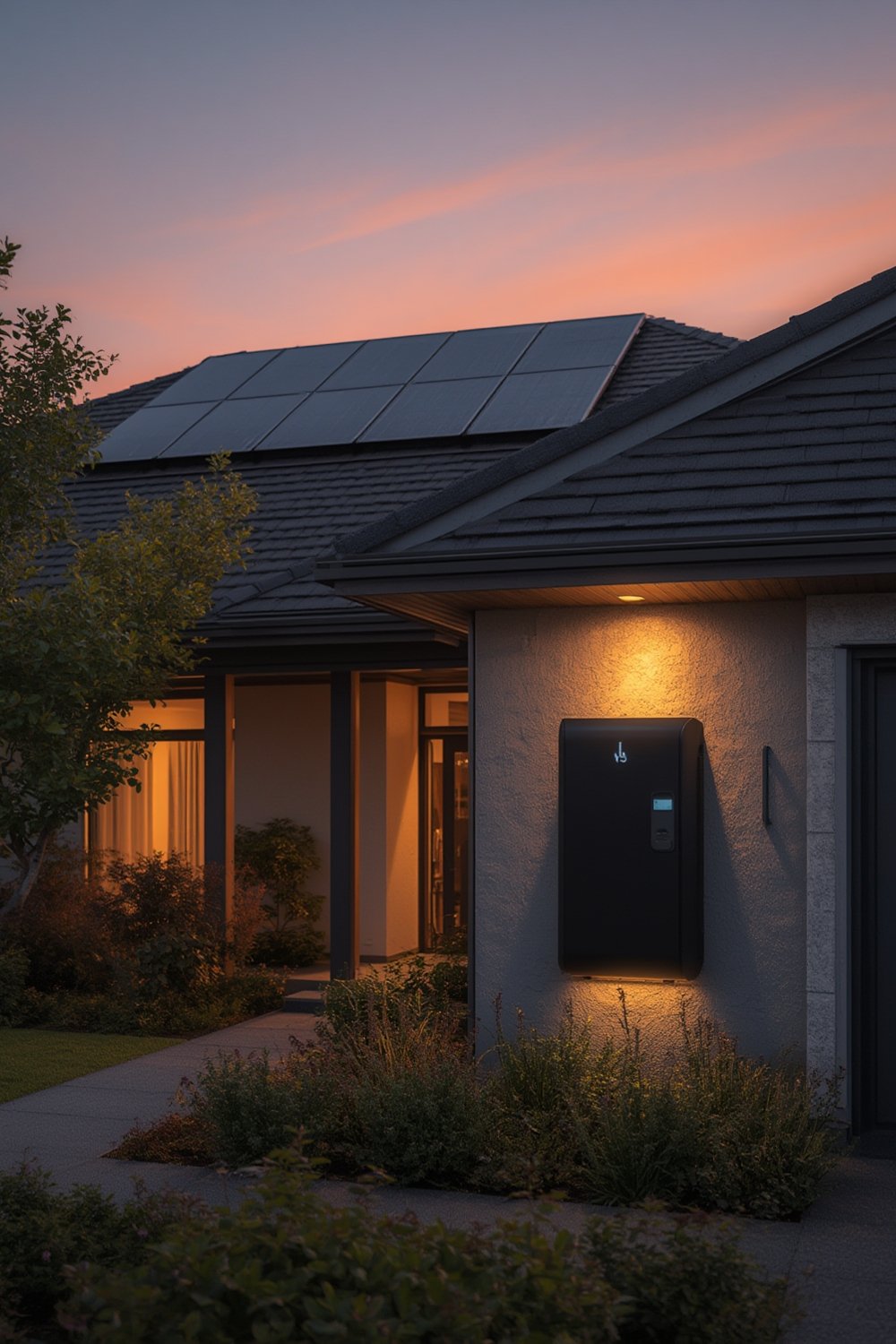
A serious battery system can keep your fridge, lights, or even your whole house running when the grid goes down. Costs, however, can be steep—basic backup systems start at $6,000–$18,000, while whole-home storage capable of seamless backup often exceeds $85,000 before incentives.
If you’re already planning a home battery storage system, thinking about a smart electrical panel upgrade, or want the most resilient setup possible, solar battery storage deserves a closer look.
How to Get Solar Battery Storage: Step-by-Step Setup Guide
- Assess Your Power Needs: List appliances and circuits you want to keep running during an outage—fridge, HVAC, sump, lights, medical devices, etc. The bigger your list, the larger (and more expensive) your battery bank needs to be.
- Estimate System Size: A typical battery is 5–13.5 kWh (e.g., Enphase 5P or Tesla Powerwall 3), but whole-home backup may require 20–40 kWh or more. Prices average $1,300 per kWh before tax credits. After the federal solar tax credit (ITC), it’s about $1,000 per kWh—though this incentive changes after 2025, especially for outright purchases.
- Choose Your Battery Type: The two most common:
- Tesla Powerwall 3: 13.5 kWh, integrated inverter, 10-year warranty
- Enphase IQ 5P Modular: 5 kWh per stackable unit, 15-year warranty, easier to expand in phases
See comparative costs and features in Section 3 below.
- Get Multiple Quotes: Prices and installer quality vary widely. Ask about incentives such as California’s SGIP ($1,000 per kWh for some customers) and Duke Energy’s $5,400 battery rebate in North Carolina, plus local utility offers. Be sure to clarify if the quoted price is pre- or post-tax credit.
- Secure Permits: Permitting can be a headache and differs by city/county. Some areas require detailed electrical plans or fire safety reviews. Lead times range from 2–8 weeks depending on local staffing.
- Schedule Installation: Expect 8–16 hours for installation if battery storage is paired with new solar. Retrofits may take longer if additional inverters or panel upgrades are needed.
- Inspection and Commissioning: Final approval is required before the system goes live. First-time issues (wiring or code problems) can mean failed inspections and delays.
- Monitor & Maintain: Use your app or monitoring portal to check battery performance and state of charge. Keep an eye on firmware updates and set reminders for warranty maintenance or support checks.
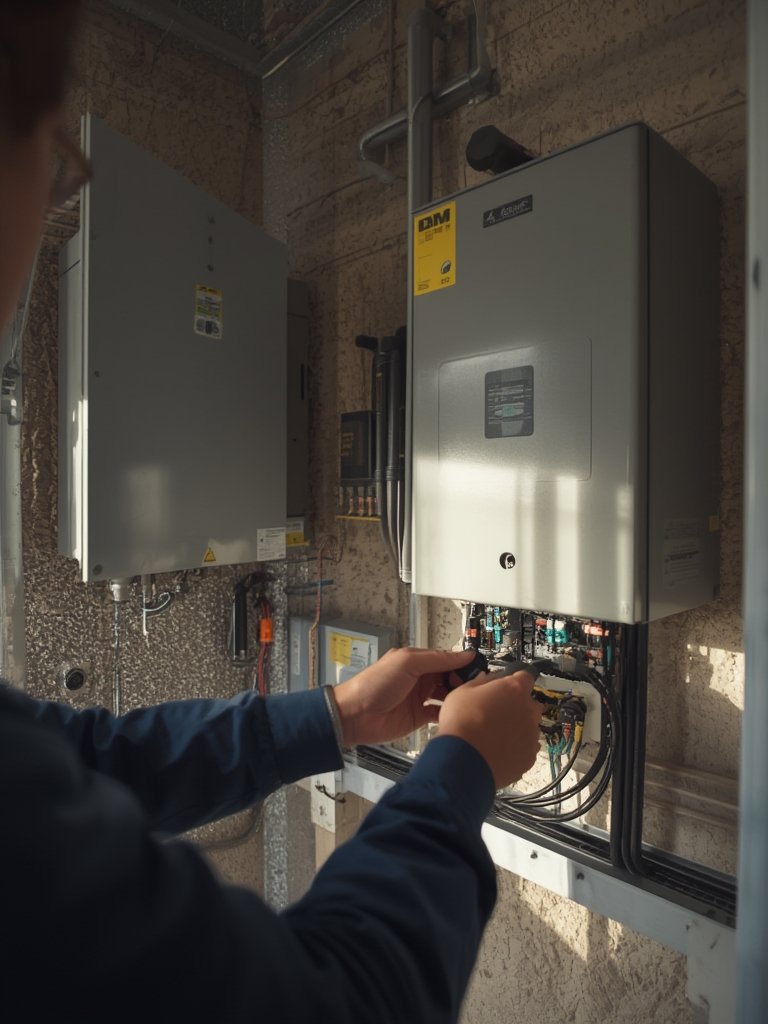
Also, check that your main panel is up to date—many battery systems work best with a smart electrical panel upgrade for smoother backup transitions and real-time circuit control.
Finally, order everything at once if possible. Retrofitting a battery onto an old solar system is often pricier and trickier than doing both together (may need new inverters or upgrades).
Advanced Analysis & Real-World Pitfalls of Solar Battery Storage
It’s easy to get excited by the promise of solar battery storage. But, there are real issues to watch for—let’s break down the big ones.
Common Pitfalls and Reality Checks
- Sticker Shock: Whole-home backup easily exceeds $40,000—and may hit $85,000+ if you want to power everything, including large HVAC or pumps. Most “affordable” battery systems only handle essentials for short durations. Check this cost breakdown for details.
- Main Panel Bottlenecks: In homes with older electrical panels, batteries may require a smart panel or major upgrade—sometimes an unexpected $3,000–$7,000 expense.
- Tax Credit Timeline: The 30% federal ITC applies to batteries only if installed by December 31, 2025. Post-2025, the credit applies mostly to leased or prepaid arrangements. Miss the window, and your cost could spike by thousands.
- Lack of Real-World Data: Few vendors advertise actual system downtime rates, battery degradation, or out-of-warranty failures—user reviews are mixed, with some reporting smooth sailing, others months-long warranty delays.
- Retrofit Penalties: Retrofitting a battery onto existing solar often means buying a new inverter, additional cabling, and sometimes needing expensive rewiring—which can add $4,000–$8,000 over bundled install costs.
- Permitting Hassles: Approval delays are common, especially during high-demand months or in areas with limited solar-trained inspectors.
- No Guarantee in Extended Outages: Even the biggest batteries have limits; running HVAC, electric ovens, or water heaters can drain storage in hours (not days). True “off-grid” living needs careful load management and often a generator backup too. Compare whole-home generators here.
Powerwall 3 vs. Enphase IQ 5P: Specs, Cost, and Warranty Side-by-Side
| Batteries Compared | Usable Capacity | Cost (Installed, Pre-Tax) | Warranty | Efficiency | Expansion |
|---|---|---|---|---|---|
| Tesla Powerwall 3 | 13.5 kWh | $11,500–$15,000 | 10 years | ~90% | Stackable units |
| Enphase IQ 5P (per module) | 5 kWh | $7,000–$9,000 | 15 years | ~90% | Stackable, fully modular |
Source: Cost comparison details
What’s Missing in 2026 Coverage?
- User Experience Data: Most guides skip over long-term satisfaction or real maintenance hassles. Expect some service visits for firmware, cell balancing, or warranty claims—especially post-warranty.
- VPP Revenue Realities: Earning from “virtual power plant” participation is possible, but income is highly dependent on local policies and program terms. Usually, it does not offset more than a small fraction of the upfront battery cost.
- Retrofit Complexity: Bundling solar and batteries at installation saves time, money, and paperwork. Retrofit is only worth it if you maximize incentives and align with planned electric upgrades (e.g., future EV charger).

Conclusion
Solar battery storage is a major commitment with the potential for real benefits—energy security, bill savings, and blackout protection. But for most homeowners in 2026, systems are still expensive, incentives are changing, and installation pitfalls are real. Assess your essential loads, budget realistically, and don’t underestimate permit, retrofit, and maintenance challenges. Is solar battery storage right for your home? Get quotes, compare real specs, and always scrutinize warranties and incentives before you sign.
Ready to go deeper? Start your research with a free quote—or learn more by comparing battery brands, backup generator options, and energy-efficient appliances for a complete resilience upgrade.
Frequently Asked Questions
How much battery capacity do I need for basic backup?
Most homes need 5–13.5 kWh for essentials only (fridge, lights, outlets). To power a whole house—including AC or heat—typically requires 20–40 kWh or more. Always audit your loads before buying.
Will a solar battery run my house off-grid during a blackout?
Only if your battery bank is sized for your entire home and you carefully manage loads. Most installations power a few circuits for several hours, not full-house or days-long outages. Combining with a smart panel boosts resilience.
Does battery storage work without new solar panels?
Yes, you can install battery-only storage, but the investment makes the most sense with new or compatible solar. Retrofit costs are higher and some inverters or panels may not be fully compatible.
Can I stack batteries for more capacity later?
Both Powerwall and Enphase IQ 5P allow stackable expansion, but you’ll pay for extra installation and may need panel upgrades. Always ask your installer about system limits and wiring requirements.
Is battery storage better than a home generator?
It depends. Batteries offer silent, instant backup but have fixed storage limits. Generators offer longer runtimes for less money but require fuel and maintenance. Many homes use both for true resilience.