


### Blog Post:
Outdoor kitchen ideas are rewriting the rules for backyard entertaining and home cooking in 2026. If you dream of transforming a bland patio into a high-functioning outdoor living space, you need a clear plan and realistic expectations about costs, materials, and long-term use.
Key Takeaways
- Average outdoor kitchen cost in 2026 is $13,180, with prices ranging from $5,060 for basic prefab kits to $17,280+ for custom builds (source).
- Choosing the right materials is critical for weatherproof performance—concrete, granite, and stainless steel are strong, but each has limits and maintenance needs.
- Prefab modular kits bring costs and complexity down but require careful planning to avoid common layout and functionality mistakes.
- Outdoor Kitchen Ideas: What Matters in 2026?
- How to Plan and Build an Outdoor Kitchen: Step-by-Step
- Advanced Analysis & Common Pitfalls
- Conclusion
- Frequently Asked Questions
Outdoor Kitchen Ideas: What Matters in 2026?
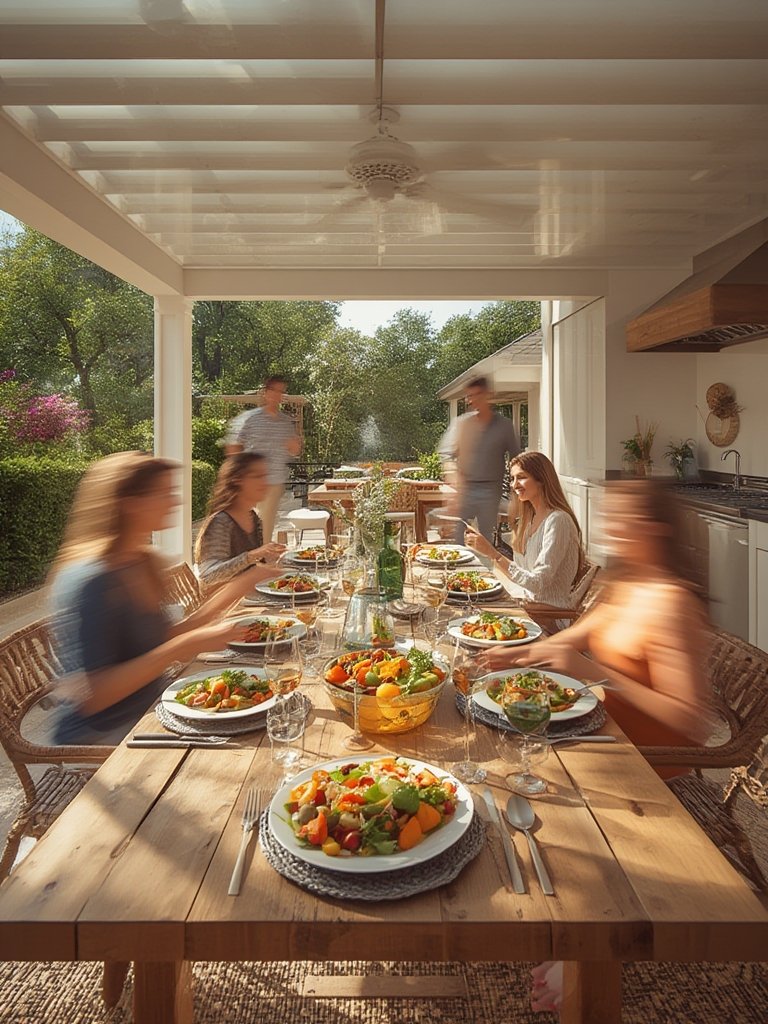
Outdoor kitchen ideas go far beyond built-in barbecue islands. Modern setups are designed for four-season use, blending cooking stations, smart appliances, flexible dining, and weatherproof materials. The goal is no longer just to grill a steak—it’s building a true outdoor room that feels like an extension of your indoor living space.
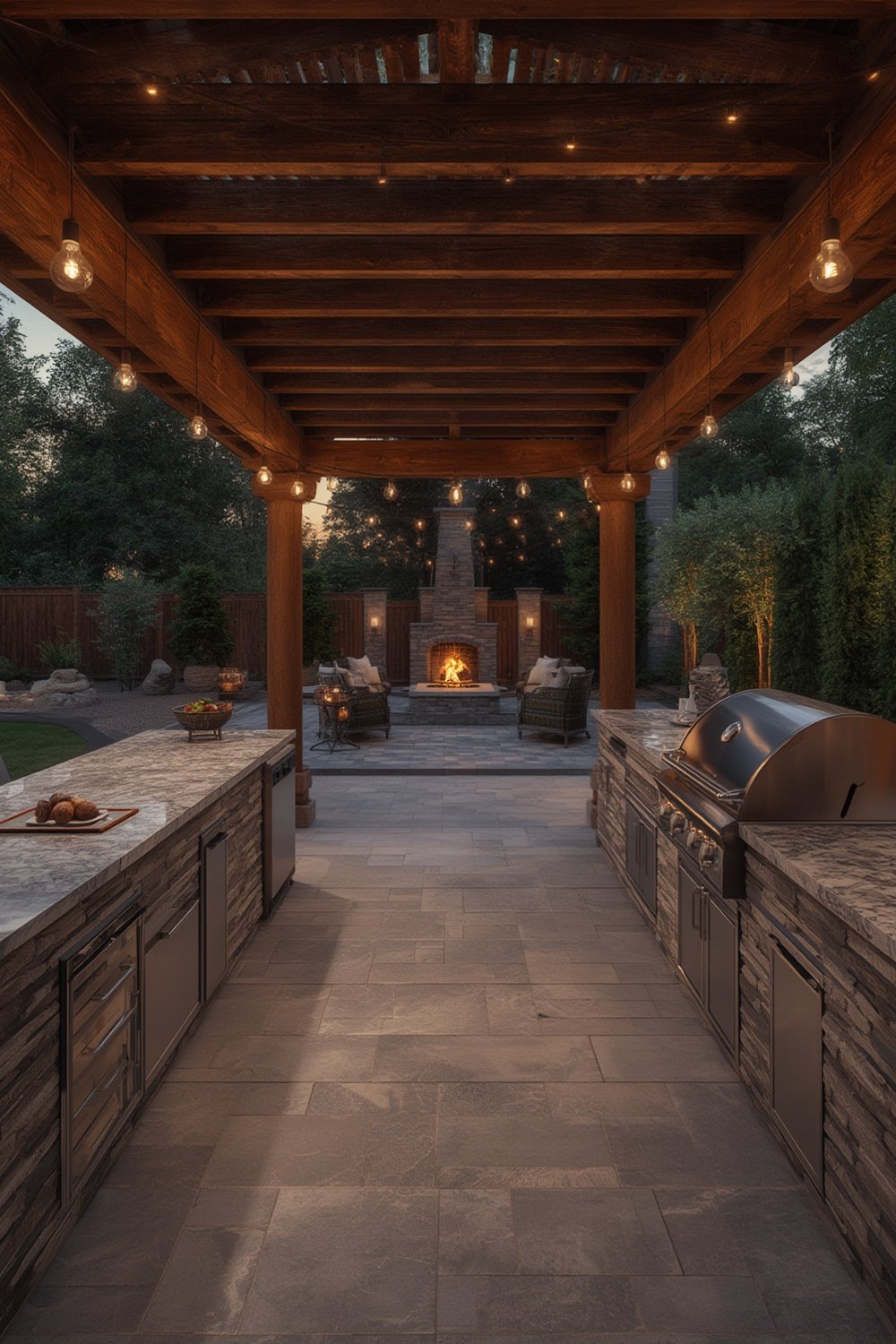
Why does it matter? A well-designed outdoor kitchen can boost home value, lock in daily lifestyle upgrades, and solve frustrations like cramped indoor prep areas. But the realities of cost, exposure to the elements, and long-term upkeep often trip up homeowners who jump in blindly. Understanding current price trends, smart space planning, and durable build choices is your best defense.
For many homeowners, this project is one of the largest outdoor investments since a new roof or garage conversion. The upfront decisions you make today determine whether your outdoor kitchen adds lasting joy—or turns into a costly regret.
How to Plan and Build an Outdoor Kitchen: Step-by-Step
Getting your outdoor kitchen project right means more than picking pretty cabinets or the latest grill. Here’s a direct, actionable workflow to follow from concept to cookout.
-
Set a Realistic Budget
Start with numbers, not design boards. In 2026, expect a minimum of $5,060 for a basic prefab kit and $17,280+ for a fully custom build. The national average lands near $13,180, but urban labor costs may push your total higher (details here). -
Assess Your Space—and Climate Demands
Map the area you’ll use. Mini kitchens (under 10 linear feet) start below $4,950, while a large spread can easily top $10,000 plus. Don’t forget exposure: is your site shaded, windy, or prone to freeze/thaw cycles? These details guide your material picks. -
Choose the Core Features
Most builds include a grill, countertop prep zone, weatherproof storage, and either a fridge or beverage cooler. For all-weather use, invest in stainless or marine-grade cabinets and frost-resistant counters like granite or sealed concrete. -
Weigh Prefab Kits vs. Custom Framing
- Prefab frames run $250–$475 per linear foot.
- Custom framing averages $400–$550 per linear foot.
- Prefab kits cut labor and complexity, but may limit your flexibility—especially on sloped or oddly-shaped spaces.
-
Select Countertop and Cabinet Materials
Counter pricing in 2026 runs:- Ceramic tile: $6–$50/sq ft
- Concrete: $60–$95/sq ft
- Granite: $65–$75/sq ft
- Soapstone: $50–$160/sq ft
- Stainless steel: $75–$100/sq ft
Werever weatherproof cabinets cost $1,700–$2,400 per section and $10,000–$40,000 for a full kitchen (see Werever’s breakdown).
-
Plan for Utilities and Permits
Gas, electric, and water lines may need pro installation and local permits. Always confirm setback rules and fire codes before you build. Skipping this step leads to costly redos and inspection headaches. For energy savings on indoor utility bills as a complement, see our guide on cutting bills with a heat pump water heater. -
Layout for Traffic and Function
Allow plenty of clearance (at least 36 inches) for safe movement around the grill and work areas. Place sinks and fridges close to prep space, and site your grill away from main traffic paths for safety. -
Invest in Weatherproofing Extras
Consider built-in covers, roof extensions, or vertical panels to shield key zones from wind and rain. Fluted wall panels, as shown in our DIY fluted wall panels guide, can enhance privacy and style for nearby seating walls.
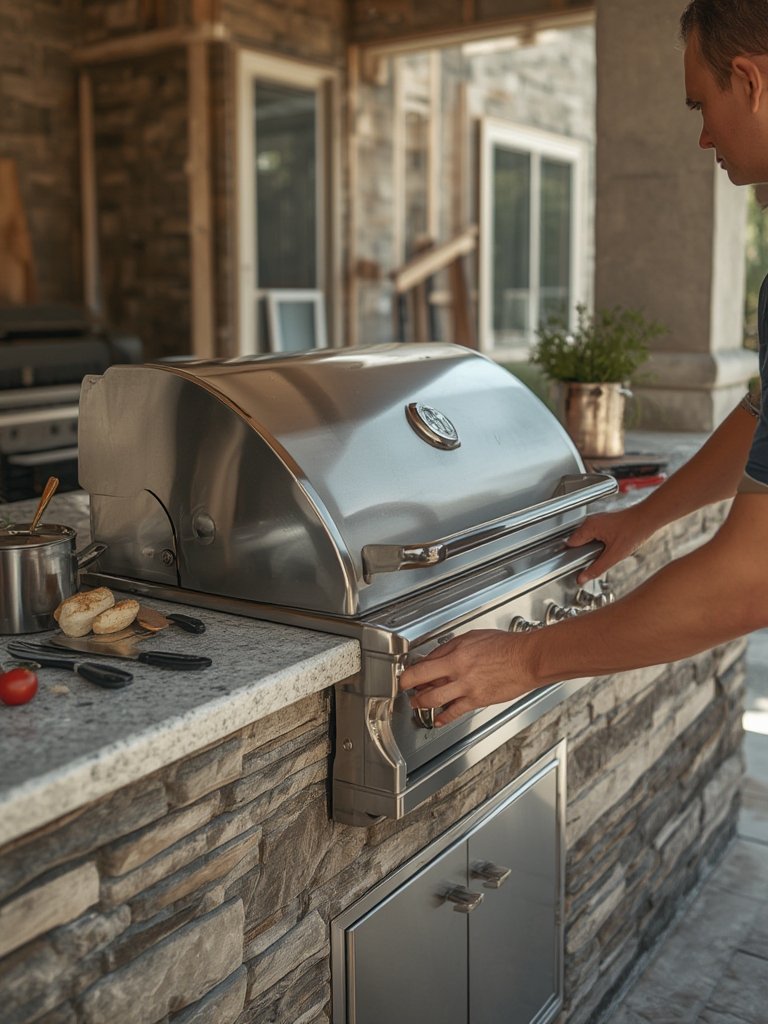
Tip: Even with the best layout, the outdoor elements will test your build over time. Plan seasonal inspections into your maintenance routine—and keep manufacturer info and warranties on hand for quick repairs.
If you expect frequent bad weather and want backup power, our whole home generator installation guide explains how to future-proof your outdoor kitchen (and house) during emergencies.
Advanced Analysis & Common Pitfalls
Building an outdoor kitchen isn’t about copying magazine photos—it’s making the investment perform year after year in your actual climate. Based on 2026 research, here are key pitfalls and trade-offs:
-
Running Over Budget
Most homeowners underestimate true costs. While the national average is $13,180, it’s easy to exceed $17,000 when adding extras—especially in urban areas with high labor rates. Compare prefab vs. custom prices in the table below. -
Poor Weatherproofing and Material Choices
Even expensive outdoor kitchens can fail early if you choose the wrong countertop or cabinet material for your region. Not all “weatherproof” claims hold up: granite and sealed concrete generally resist extreme temps, but tile and basic wood frames fare worst in freeze/thaw climates. Stainless steel resists rust but can get scorchingly hot in direct sun. -
Layout Mistakes
No research data covers common space-planning mistakes, but crowding the grill, skimping on worktop area, or poor access to utilities will sap your enjoyment and could create safety hazards. -
Missing Permits or Skipping Inspections
Cutting corners on utilities or failing to get proper permits can result in legal headaches, utility shutdowns, or even tearing out completed work. -
Overlooking Maintenance Needs
Every surface—stone, metal, or composite—needs annual inspection and cleaning. Grills and storage may require periodic resealing or corrosion checks, especially in four-season climates. -
No Published Data on Fuel Choices
No current studies definitively prove whether propane or natural gas offers superior safety or durability in outdoor kitchen installations. Always follow local codes and manufacturer recommendations regardless of the fuel.
| Feature | Prefab/Modular Kit | Custom Build |
|---|---|---|
| Average cost (16 linear feet, 2026) | $5,840 | $7,920 |
| Labor intensity | Lower (DIY possible) | High (usually pro install) |
| Design flexibility | Limited by kit | Fully customizable |
| Weatherproofing options | Required upgrades | Up to you (can optimize) |
| Average timeline | 2-4 weeks | 4-8 weeks |
For cost calculations on other home upgrades, try our exterior house painting calculator or our garage conversion to ADU cost guide to compare ROI options.
Conclusion
Building your dream outdoor kitchen in 2026 is easier than ever, but only with grounded expectations. Understand real-world costs, give top priority to material quality and design layout, and always plan for weather and maintenance. Keep these outdoor kitchen ideas as your playbook to dodge the common mistakes and create a well-used extension of your home. Ready to get started? List your must-haves, set a realistic budget, and pull inspiration from the guides above to future-proof your backyard investment.
Frequently Asked Questions
What’s the average cost for building an outdoor kitchen in 2026?
The national average is $13,180, with most projects ranging from $5,060 for prefab kits to $17,280 or more for customized builds (see source).
Which countertop materials hold up best outdoors year-round?
Granite and sealed concrete offer reliable year-round weather resistance. Stainless steel works well in dry climates but can overheat in direct sun.
Is it cheaper to build a custom outdoor kitchen or use a prefab kit?
Prefab modular kits are generally less expensive, with custom options adding both flexibility and higher labor/material costs. Kits average $365 per linear foot, while custom jobs often reach $495 per foot.
Do I need a permit to build an outdoor kitchen?
Most locations require permits for running utility lines (gas, water, electric). Always check local building codes before starting.
What mistakes should I avoid when planning my outdoor kitchen?
Common pitfalls: skimping on weatherproof materials, underestimating budget, ignoring traffic flow or safety zones, and skipping required permits. Proper planning solves 90% of these issues.