


### Blog Post:
Moody living room design is the breakout trend in 2024, capturing homeowners who crave dramatic, sophisticated spaces that invite you to linger. If you’re considering bold, dark palettes for your next makeover, this step-by-step guide will help you avoid common traps and create a stunning, cozy retreat that feels both modern and inviting.
Key Takeaways
- 2024’s most popular moody living room paint colors include black, navy, and deep green—carefully chosen for coziness, drama, and sophistication.
- Common regrets center on rooms feeling too dark or oppressive, especially in spaces with poor natural light—mid-tones and clever lighting counteract these risks.
- Often-overlooked design moves like painting ceilings and millwork deepen the effect—precision matters for that enveloping, high-end look.
- Understanding Moody Living Room Design
- Step-by-Step Guide: Making Moody Work in Any Living Room
- Advanced Analysis & Common Pitfalls
- Conclusion
- FAQ
Understanding Moody Living Room Design
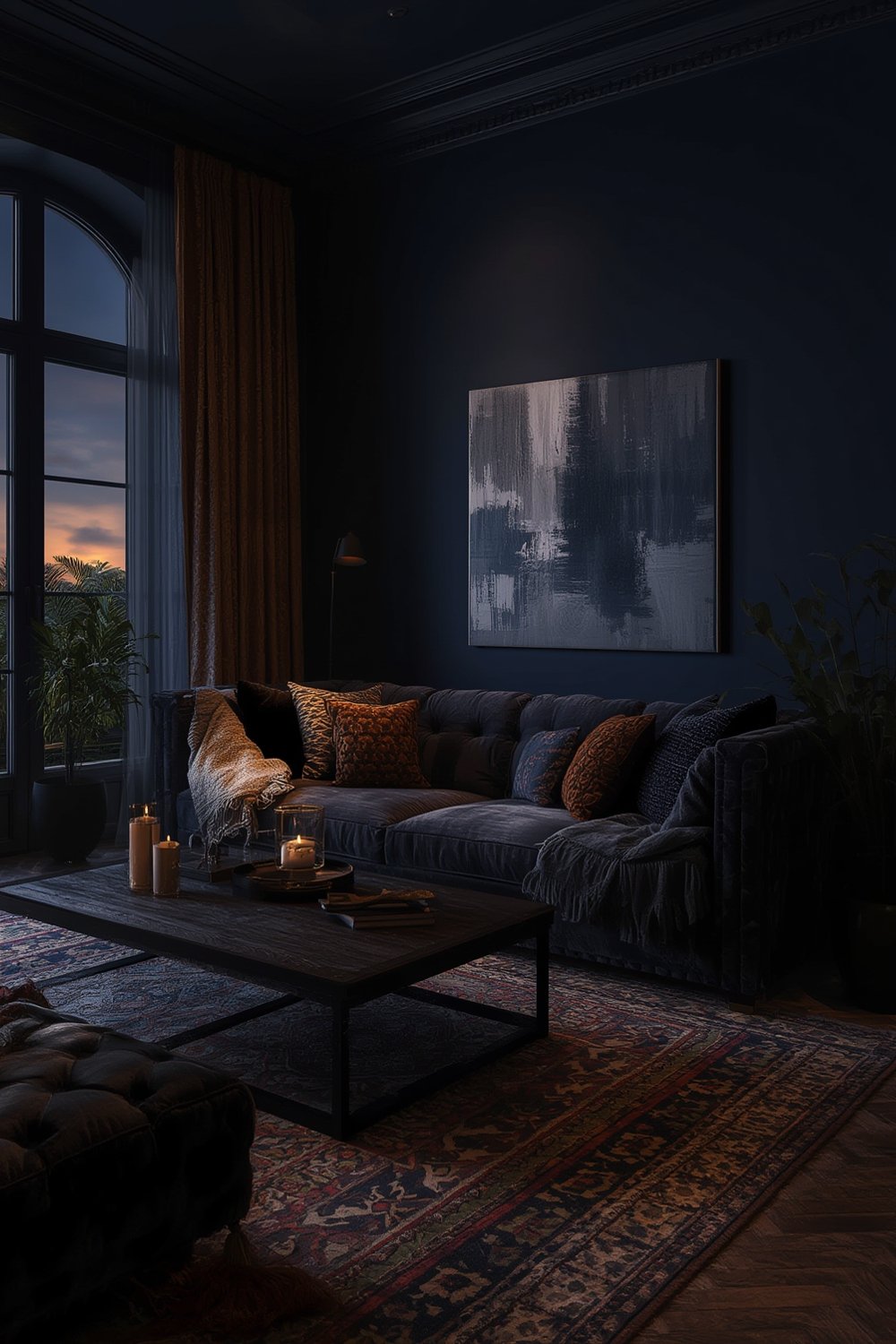
Moody living room design centers on deep paint colors like charcoal, navy, olive green, and even black. The goal is to craft a dramatic yet restful space, where color enhances coziness and style. Brands like Behr, Sherwin Williams, and Benjamin Moore have seen their darkest hues top expert and consumer trend lists for 2024. Highlights include Behr’s Cracked Pepper, Sherwin Williams’ Oakmoss and Cyberspace, and Benjamin Moore’s Hale Navy (source). Dark walls blur boundaries, making rooms feel more intimate, while layered lighting and varied finishes keep the look from feeling flat. For the ultimate enveloping effect, some designers recommend color-drenching everything—including ceilings and trim (source).
Step-by-Step Guide: Making Moody Work in Any Living Room
-
Pick the Right Paint Color
- Test swatches like Behr Cracked Pepper (soft black), Sherwin Williams Oakmoss (forest green), or Benjamin Moore Hale Navy (rich blue) on several walls and under different lights. Move beyond black—deep auburn, moss green, and navy create just as much drama.
-
Assess Your Light
- If your room is north-facing or lacks windows, dark colors can overwhelm. In these cases, try mid-tone colors like Bracing Blue or Wales Gray (see this guide) or be ready to add ample artificial lighting.
-
Color-Drench: Walls, Trim, and Ceiling
- For next-level drama, paint everything: walls, crown, door frames, even your ceiling. This technique looks especially high-end with smooth, flat matte paint. See more about color drenching here.
-
Layer Lighting
- Use table and floor lamps, sconces, and LED highlights to prevent shadowy corners. adjustable smart bulbs help fine-tune the glow. Upgrading your smart electrical panel can future-proof your lighting control.
-
Embrace Texture
- Add warmth with velvet pillows, nubby throws, natural wood, and even fluted wall panels. These touches enrich the mood and prevent a one-note space.
-
Style Sympathetically
- Moody rooms love contrast: pair deep walls with light rugs, metallic accents, or bright artworks. Opt for washable rugs for practicality and pop.
-
Finish with Details
- Consider painting built-ins or millwork in the same (or even darker) shade for a tailored look. Don’t overlook small upgrades like next-level soundproofing if you use the space for movies or music.

Advanced Analysis & Common Pitfalls
While moody palettes offer unmatched sophistication, they do come with challenges. Homeowners frequently regret painting small or dark rooms in colors like Hale Navy or similar shades, finding their spaces suddenly feel “closed in” or too dim (source). Using too cool a gray/blue can read as cold or dreary in the absence of ample sunlight, prompting costly repaints and frustration. Picking shades without testing in your unique lighting situation is the top mistake. Additionally, while designer-approved, painting millwork or ceilings can amplify the look—or, if executed carelessly, draw unwanted attention to a room’s flaws.
| Paint Color | Pro | Con | Best Lighting |
|---|---|---|---|
| Behr Cracked Pepper | Modern, enveloping, neutral | Can feel cold without warm lighting | Bright indirect or layered artificial |
| Sherwin Williams Oakmoss | Warmth, depth, coziness | Greens may shift toward brown in dim spaces | Natural daylight or warm bulbs |
| Benjamin Moore Hale Navy | Classic, dramatic, luxurious | Can feel heavy in small or north-facing rooms | South/west, or with bright white accents |
| Mid-tone Blue (Wales Gray) | Sophisticated, lighter touch | May lack drama for maximalists | Any, especially low-light rooms |
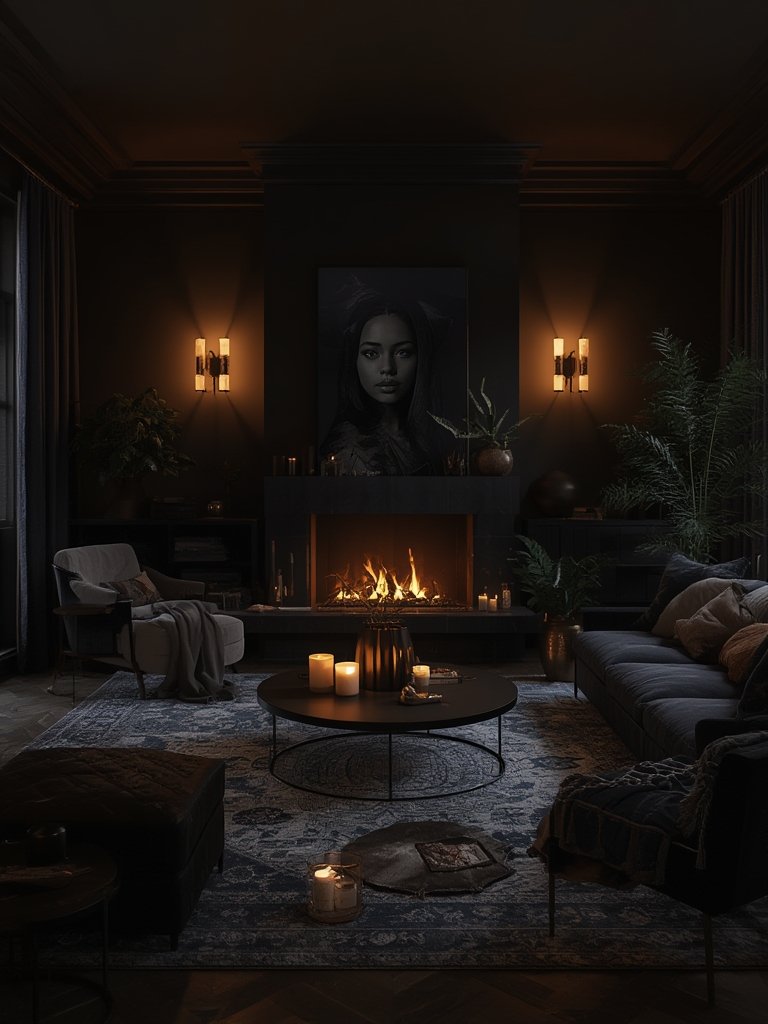
Three transformative moody moves are often overlooked:
- Painting ceilings to match the walls for full cocoon effect (source).
- Using dark paint on millwork or built-ins for refined contrast (source).
- Selecting airy mid-toned blues instead of full darkness when natural light is minimal.
Budget guidance and durability comparisons are scarce for this niche. For a smart approach, budget several hundred dollars for DIY materials and at least $1,500–$2,500 for professional paint and prep in a standard living room—more if you add specialty finishes or black ceilings. See the cost calculator guide for paint pricing reference.
Conclusion
Moody living room design makes ordinary spaces extraordinary when done thoughtfully. Choose paint colors with intention, test in your real lighting, and embrace both the color-drenching trend and layered materials for true coziness. Watch out for the common trap of making rooms too dark or cool by accident. Thoughtful execution ensures your living room feels inviting, dramatic, and on trend—for both new décor and long-term enjoyment. Ready to transform your home with moody living room design? Start with small samples and level up your space with confidence.
FAQ
What are the best moody paint colors for living rooms in 2024?
The top trending shades are Behr Cracked Pepper (black/charcoal), Sherwin Williams Oakmoss (deep green), and Benjamin Moore Hale Navy (navy blue), as well as Dutch Boy Ironside and Sherwin Williams Cyberspace. Factor in your natural light before deciding.
Can I use moody colors in a small or dark living room?
Yes, but proceed with care. In low-light or compact rooms, deep colors can feel oppressive. Try mid-tones like Wales Gray or Bracing Blue and add extra lighting to prevent a cave-like effect.
Should I paint the ceiling and trim the same color as the walls?
This color-drenching move heightens drama and coziness, especially in rooms lacking architectural interest. Just make sure your paint finish is consistent and imperfections are properly prepped.
Will dark paint show more wear and tear in a high-traffic living room?
Dark, matte paints may show scuffs more but also hide minor imperfections that glare off lighter or glossier walls. Durable finishes and washable surfaces help maintain the look.
Do moody living rooms help or hurt resale value?
No direct data links moody living rooms to resale price or buyer interest. If resale is key, use moody colors as accents or in secondary rooms, balancing trend with mass appeal.
—