


### Blog Post:
LVP flooring installation continues to surge in popularity as more homeowners and professionals seek durable, attractive alternatives to traditional hardwood and carpet for both residential and commercial spaces. This guide offers a realistic, step-by-step approach and addresses real pain points often overlooked elsewhere.
Key Takeaways
- LVP flooring installation offers a cost-effective, resilient flooring solution, but comes with temperature and VOC concerns.
- DIY projects can save money, but certain pitfalls—like poor subfloor prep—can drastically shorten lifespan or void warranties.
- Innovations such as ceramic wear layers and click-lock designs improve ease of installation and durability, but not all products are equal.
- What Is LVP Flooring Installation? Understanding the Trend
- How to Install LVP Flooring: A Step-by-Step Guide
- Advanced Analysis & Common Pitfalls
- Conclusion
- Frequently Asked Questions
What Is LVP Flooring Installation? Understanding the Trend
LVP (luxury vinyl plank) flooring has emerged as one of the fastest-growing flooring segments worldwide due to its affordable price, realistic wood and stone visuals, and low-maintenance features. Unlike older vinyl roll flooring, modern LVP uses advanced photographic technology and layered construction to provide textures that closely mimic real hardwood, but without the susceptibility to water damage and warping. This growth is reflected in recent market forecasts projecting a sustained annual growth rate of 6.79% through 2031, with LVT/LVP representing more than 74% of all vinyl floor covering revenue by 2025 (Accio, Future Market Insights).
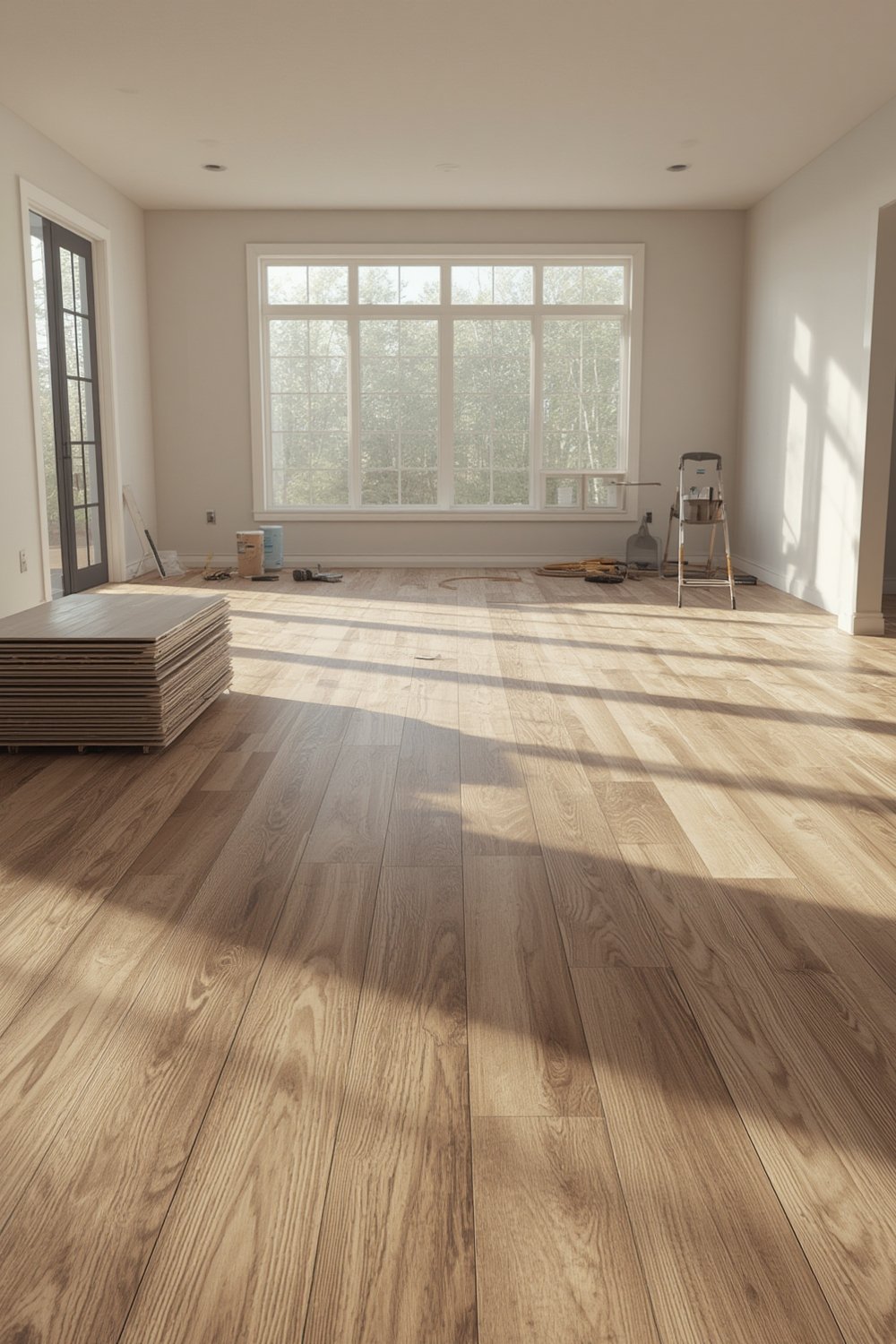
The draw of LVP flooring installation also comes from its versatility—floating, glue-down, and loose lay options abound—making it possible for both DIYers and professionals to achieve excellent results. However, new adopters should be aware of some under-reported drawbacks, including fluctuating performance in variable temperature environments and the potential for volatile organic compound (VOC) emissions. If you’re considering an upgrade from carpet or even genuine hardwood, understanding these factors is essential before starting your project.
LVP installation fits especially well into modern renovation themes, such as DIY fluted wall panels for living rooms or integrating washable rugs for high-traffic zones. This adaptability helps explain recent surges in adoption as homeowners seek high-impact yet low-maintenance upgrades.
How to Install LVP Flooring: A Step-by-Step Guide
Proper LVP flooring installation is achievable for many DIYers but requires a strict process and attention to detail for warranty coverage and long-term performance. Here’s a breakdown for a typical click-lock floating floor system—the most user-friendly method in 2026:
-
Acclimatize your LVP planks.
Let the flooring sit in the installation room (unstacked) for 48 hours, allowing temperature and humidity equalization. Skipping this can lead to future warping or gaps. -
Prep the subfloor.
Ensure your base is smooth, clean, dry, and level to within manufacturer requirements (usually ±3/16" over 10 ft). Remove any old adhesives, protruding fasteners, or debris. Use self-leveling compound if needed—and double-check for hidden moisture or cracks. -
Install an underlayment if required.
Some LVPs feature built-in underlayment; others need a foam, cork, or sound barrier layer. The right underlayment can enhance acoustics, comfort, and waterproofing. -
Plan your layout.
Lay out a few rows to optimize appearance and minimize very narrow planks along walls. Always stagger seams; a brick or random pattern is ideal for both looks and stability. -
Cut and click-lock into place.
Cut planks with a sharp utility knife or saw for a clean edge. Click the short and long edges into place, ensuring each joint is fitted snugly—no forcing, and never use excessive hammering (use a tapping block if needed). -
Leave expansion gaps.
Maintain at least 1/4" around all walls, pipes, and fixed features. Use spacers throughout; LVP flooring expands and contracts subtly with temperature swings. -
Finish with trim or transition strips.
Replace or reinstall baseboards and moldings to hide gaps. Add threshold pieces or reducers where needed for doorways or transitions to other flooring. -
Clean and inspect.
Use a gentler, pH-neutral cleaner after installation. Walk all seams and troubleshoot any “bounce” or misaligned planks immediately.
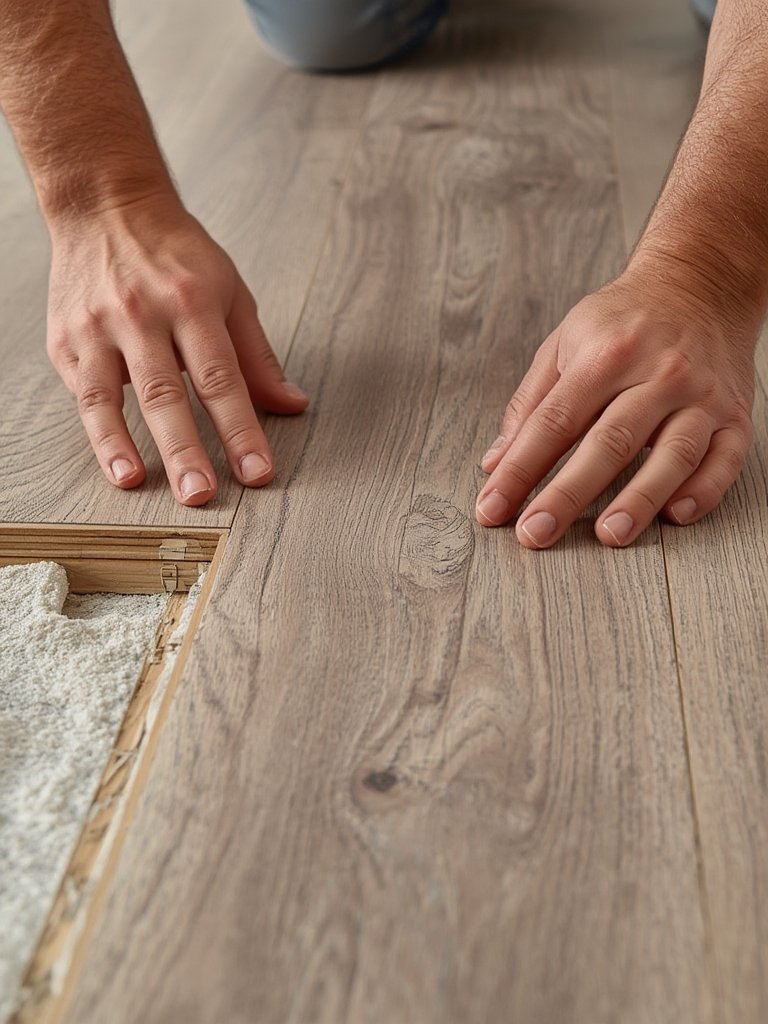
If you’re considering a whole home upgrade, combining LVP with other efficient home improvements can increase comfort and market value. For example, smart planning can integrate the prep or cleanup phase of LVP installation with projects like an exterior house painting refresh or a home EV charger installation, streamlining your renovation investment.
Advanced Analysis & Common Pitfalls
Switching from carpet or hardwood to LVP solves a lot of maintenance issues, especially for busy households or high-moisture areas like kitchens. Still, it comes with unique trade-offs, especially for DIY installations.
- Shorter lifespan compared to hardwood: LVP is designed for 10 to 20 years with good care. True hardwood, properly maintained, can last for generations and be refinished, while LVP cannot.
- Sensitivity to temperature fluctuations: LVP performs best in stable conditions. Sunrooms, unheated basements, or homes with wide daily swings may experience buckling or gapping (Allied Market Research).
- Poor subfloor prep = problems down the line: Dips, humps, or unseen moisture in the subfloor can cause soft spots, planks that separate, or even mold problems—especially disastrous in kitchens.
- VOC emissions: Cheaper LVP options may emit higher levels of volatile organic compounds. If air quality is a top priority, look for certified low-VOC products (like FloorScore).
- Waterproof ≠ floodproof: Most LVP stands up to spills and mopping, but standing water from leaks can still penetrate seams—especially at edges or cuts—causing damage underneath.
- Difficulty with click-lock in tight or irregular spaces: Users frequently report frustration installing click-lock planks in closets, around tight corners, or near built-in cabinetry due to the precise angling required.
| LVP Flooring | Hardwood | SPC (Stone Polymer Composite) | |
|---|---|---|---|
| Longevity | 10–20 years | 30+ years (refinishable) | 15–25 years |
| Water Resistance | Waterproof, not floodproof | Highly susceptible to water | Fully waterproof |
| VOC Concerns | Potentially moderate; choose low-VOC certified | Minimal | Comparable to LVP; depends on brand |
| Maintenance | Sweep/mop; can’t refinish | Refinishable; sensitive to scratches/water | Sweep/mop; not refinishable |
| Resale Value | Improves appearance; below hardwood for ROI | Top ROI; premium buyers prefer hardwood | Neutral/positive; less widespread awareness |
If your home’s climate fluctuates dramatically, or you’re sensitive to air quality, consider pairing your LVP project with a home air quality monitor for additional peace of mind and compliance.
Kitchen installations, in particular, merit extra caution: while LVP is praised for water resistance and easy cleaning (Allied Market Research), true floodproofing generally requires SPC or tile. Innovations such as ceramic wear layers help, but make sure to check user reports and avoid using LVP behind major appliances prone to leaks.
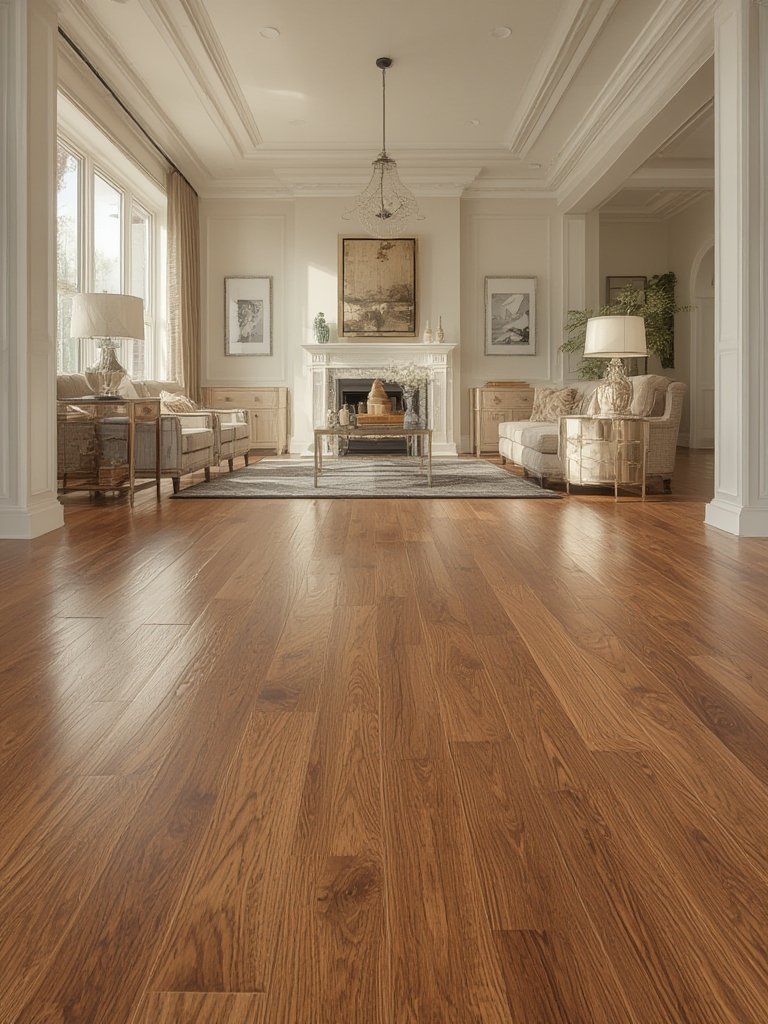
Labor cost transparency is another concern. Manufacturer and market research reports confirm LVP’s overall affordability but omit 2026-specific breakdowns. DIY is cheaper upfront but carries risk: time, unforeseen subfloor issues, and lack of pro tools can add to your actual costs. Get professional quotes to compare—and check for hidden charges related to furniture moving, old floor removal, or warranty compliance.
Conclusion
LVP flooring installation is a standout choice for value-conscious homeowners seeking the look of wood with low maintenance and good water resistance. It fits beautifully with trends like color drenching and smart, low-upkeep interiors. As you plan your project, balance affordability with longevity and review all installation details to avoid pitfalls. For most, LVP offers the right blend of style, resilience, and DIY accessibility. Ready to start your LVP flooring installation? Get prepared, set your budget, and level up your floors for the coming decade.
For more renovation strategies, check how you can combine energy savings with a heat pump water heater upgrade or explore smart panel upgrades to further modernize your space.
Frequently Asked Questions
Is LVP flooring really waterproof for kitchens and bathrooms?
LVP flooring is water resistant and suitable for kitchens and bathrooms, but it’s not fully floodproof. Spills and routine cleaning are fine, but prolonged standing water or major leaks can seep through joints. For wet zones directly exposed to frequent splashing or high-risk leaks, consider sealing cuts and transitions carefully or opting for SPC products instead.
Should I install LVP over radiant heat or in unheated areas?
LVP can work over radiant heating systems but always check manufacturer guidelines, as brands vary on maximum temperature limits. For unheated or sun-exposed rooms, look for LVP rated for temperature swings to avoid warping or separating planks.
What’s better for resale: LVP or hardwood?
Hardwood still offers the highest resale value for most buyers. LVP greatly improves the look and comfort over carpet or dated vinyl, but if maximizing ROI is your goal, hardwood is preferred where budget allows.
Is DIY LVP flooring installation realistic for a complete novice?
Yes, with patience and careful prep. Click-lock LVP is among the most DIY-friendly flooring types. Watch tutorials, follow manufacturer directions, and take your time—especially for subfloor leveling and plank layout.
Are there hidden costs in LVP flooring installation?
There can be. Factor in costs for underlayment, removal/disposal of old flooring, required transitions, and tools. DIY installations may also require additional subfloor repairs once you start pulling up old materials.