


### Blog Post:
lawn leveling rake is a tool that promises a smoother, healthier yard with less effort than traditional methods. But is it really a game changer for every homeowner looking to fix an uneven lawn? Here’s exactly what you need to know before buying, using, or trusting a lawn leveling rake for your DIY project.
Key Takeaways
- A lawn leveling rake used with the right sand can deliver a uniform, resilient yard, but getting optimal results depends on technique and conditions.
- Choosing the right type of sand—masonry or river sand—is more important than most DIY guides admit, while avoiding play or plaster sand prevents future headaches.
- There’s no single “best” rake—features like width, tooth spacing, and build quality must match your grass and soil for real results.
- What Is a Lawn Leveling Rake (and Why Use One)?
- How to Level Your Lawn with a Lawn Leveling Rake: Step-by-Step
- Advanced Analysis & Common Pitfalls
- Conclusion
- Frequently Asked Questions
What Is a Lawn Leveling Rake (and Why Use One)?
A lawn leveling rake is a specialty landscaping tool designed to distribute sand and soil blends across your grass for a smoother lawn surface. Unlike a standard garden rake, a leveling rake is wider, flatter, and engineered to “float” closely above the turf. This allows even distribution of topdressing material without tearing roots or creating new bumps.

Most homeowners use a lawn leveling rake after noticing low spots, water pooling, or bumpy ground. Traditional fixes—like shovels or a hand rake—create more frustration than results. A leveling rake speeds up the process and minimizes new uneven spots, saving you time on future maintenance.
It’s important to realize, however, that tool performance hinges on sand type and the specifics of your grass and soil. You may need to experiment, especially if levelling a clay-heavy or heavily compacted yard. Expert guides recommend masonry or river sand to avoid issues with erosion or waterlogging, a crucial step most DIYers overlook.
How to Level Your Lawn with a Lawn Leveling Rake: Step-by-Step
- Assess Lawn Condition. Walk your yard to identify low/high spots. Mark trouble zones. For surface bumps, a handheld rake might suffice. For sinking patches or deeper ruts, plan for topdressing with sand.
- Mow and Water. Cut grass to around 1.5-2 inches. Water lightly to soften the surface—never level on soaked or muddy ground.
- Choose Sand Carefully. Use masonry (all-purpose) sand or river sand with topsoil—they offer the right texture, drainage, and minimal erosion. Avoid playground, plaster, or silica sand; they’re prone to washout or caking.
- Mix & Apply Topdressing. If your soil is clay-heavy, mix river sand with topsoil (2:1 ratio). Apply topdressing “just enough” to fill low spots, but not more than 0.5 inches above grass blades. Do multiple light passes rather than one heavy one.
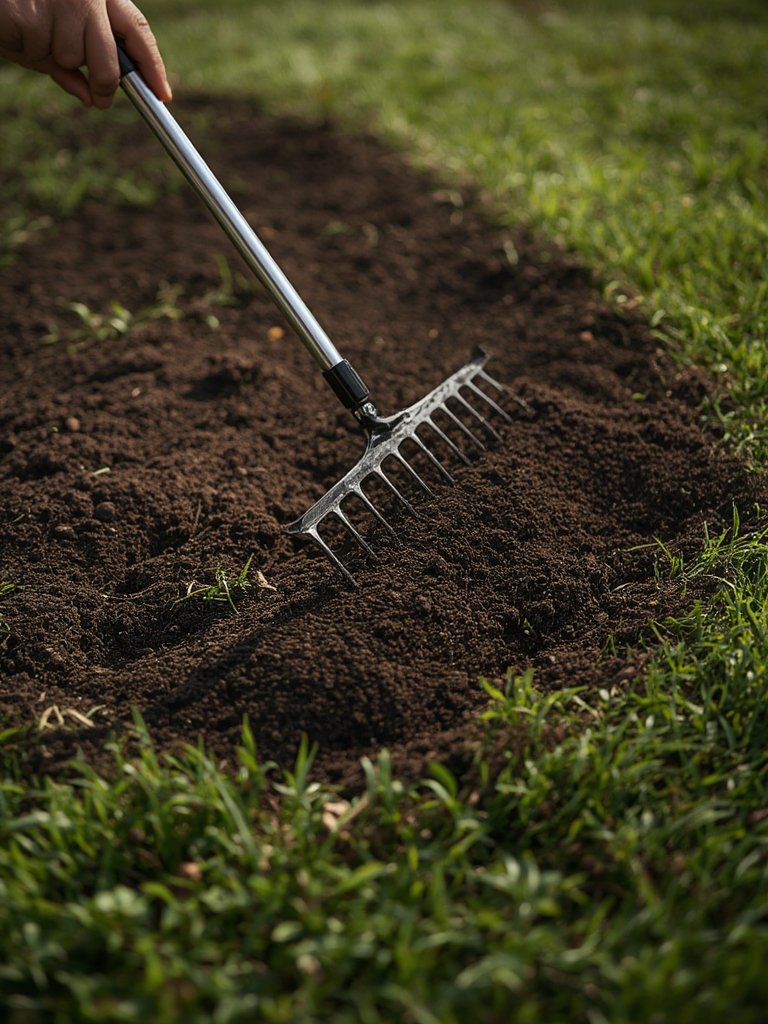
- Level with the Lawn Leveling Rake. Work the rake gently back and forth over each area. Don’t push down—float the rake so sand settles naturally into low spots. Use both left-right and forward-back passes to avoid ridges.
- Firm and Water In. Lightly tamp using the back of the rake. Water again to settle the sand. Allow grass to peek through—never bury live turf completely.
- Repeat as Needed. Deep depressions might need a second application a few weeks later when growth resumes. Monitor and touch up as necessary.
If you want to future-proof other home improvements, check out our guides on home EV charger installation and heat pump water heaters for more actionable, cost-saving tips.
Advanced Analysis & Common Pitfalls
Despite the simplicity that influencers show, real lawns bring real headaches. Here are problems you’re likely to face while leveling with a lawn rake and how to avoid them.
Most Frequent Lawn Leveling Mistakes
- Using the wrong sand: Play sand is too fine and rounded—expect long-term washout and uneven regrowth. Plaster and silica sands are even less stable and may crust or clump.
- Over-applying material: More is not better. Excess topdressing suffocates grass or leaves permanent ridges. Stick to thin layers—0.25 to 0.5 inch per pass.
- Leveling when soil is too wet: Wet soils cause sand to clump and smear, never settling smoothly. Dry weather is best for sand application.
- Neglecting grass & soil type: Clay soils need more sand for drainage. Sensitive grasses such as fescue are slower to recover, so apply in cooler weather.
- Choosing an ill-suited rake: Rakes that are too narrow make big lawns a chore. Cheaply made rakes bend easily and cannot “float” level. Look for sturdy construction and an appropriate width (at least 30-40 inches for full lawns, less for patch jobs).
- Trying to fix deep depressions in one go: Large sinkholes may require gradual filling over several weeks, not a single heavy application.
| Sand Type | Best For | Drainage | Long-Term Stability | Notes |
|---|---|---|---|---|
| Masonry/All-purpose | Most lawns, integrating with topsoil | Good (coarse particles) | Excellent | Jagged edges reduce washout; easy to work in |
| River sand | Clay soils, drainage-intensive yards | Superior | Very Good | Use 2:1 with soil for best effect |
| Play sand | None (avoid) | Poor (compacts, stays wet) | Low (erodes easily) | Too fine, rounded grains wash away fast |
| Plaster/silica/silver sand | None (avoid) | Poor | Very Low | Crusts, poor integration, may harm grass |
Even top guides neglect tool specs. Look for aluminum or steel builds, adjustable handles for ergonomics, and a head with both flat and slotted ends. For more tips on maximizing your home’s value and saving on upgrades, see the smart electrical panel upgrade guide or our full review of washable rugs for living rooms.
Conclusion
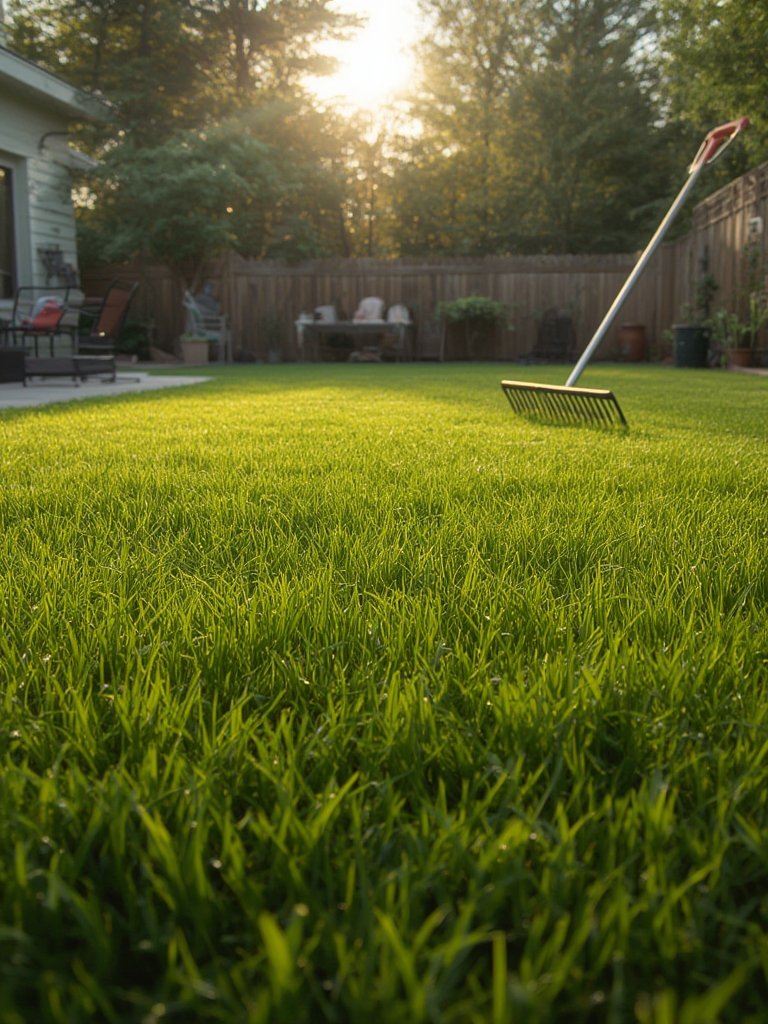
Leveling your yard with a lawn leveling rake offers faster, neater results than legacy tools—but only if you match the right sand with the right rake and know your climate and grass. If you use a lawn leveling rake correctly, stick to thin topdressing layers with appropriate sand, and work in dry conditions, you’ll have the smooth, vibrant turf you want with less struggle. Ready to take the guesswork out of lawn projects? Start with the right tools and materials—and continually learn, just as you would when upgrading other systems like heat pump water heaters or installing a home battery storage system. Level up your lawn—the right way—today.
Frequently Asked Questions
What’s the best sand for lawn leveling?
Masonry sand (also labeled as all-purpose or construction sand) and river sand are the best choices. Avoid play sand or plaster sand because they erode easily and don’t blend well with soil, causing future bumps or drainage problems. See this detailed breakdown.
How thick should I apply sand with a lawn leveling rake?
No more than 0.5 inch per application. Too much sand will smother grass and may create lasting ridges. Use multiple lighter applications if necessary, letting grass peek through each time.
Which lawn leveling rake features matter most?
Width (30–40 inches for full lawns), sturdy material (aluminum or steel), a long adjustable handle, and a flat head for even distribution are important. Avoid plastic rakes or models that flex excessively.
Why is my lawn still bumpy after leveling?
This is usually from using the wrong sand type, over-applying material, or not floating the rake evenly. Some depressions may be so deep they require repeated filling and proper settling between passes.
Can I use a lawn leveling rake on all types of grass?
You can, but recovery speed will vary. Warm-season grasses like Bermuda bounce back quickly. Cool-season fescues or ryegrass are slower, so timing (spring/fall) and thinner layers are crucial.
—