


Induction cooktop installation is quickly becoming a top priority for homeowners aiming to modernize their kitchens, save on energy, and cook faster. But a successful install is about more than just plugging in a new appliance. It demands an understanding of technical requirements, electrical codes, and real-world challenges that can catch you off guard.
Key Takeaways
- Induction cooktop installation often requires a dedicated 230-240V circuit and a licensed electrician to meet code and safety standards.
- Most real-world problems stem from outdated wiring, switchboard limitations, and kitchen cutout misalignments—professional assessment matters.
- Homeowners don’t just gain efficiency; they must plan for costs, electrical upgrades, and strict installation compliance to avoid risks and warranty issues.
- Understanding Induction Cooktop Installation: What and Why
- Step-by-Step Guide: How to Install an Induction Cooktop Safely
- Advanced Analysis & Common Pitfalls
- Conclusion
- FAQ
Understanding Induction Cooktop Installation: What and Why
Installing an induction cooktop is a significant upgrade that goes beyond swapping out your old range. Induction cooktops use magnetic fields for cooking, offering faster heat, precise control, and, often, lower energy consumption compared to gas or conventional electric ranges. But to reap these benefits, your home’s electrical system must meet specific requirements, especially for high-powered models.
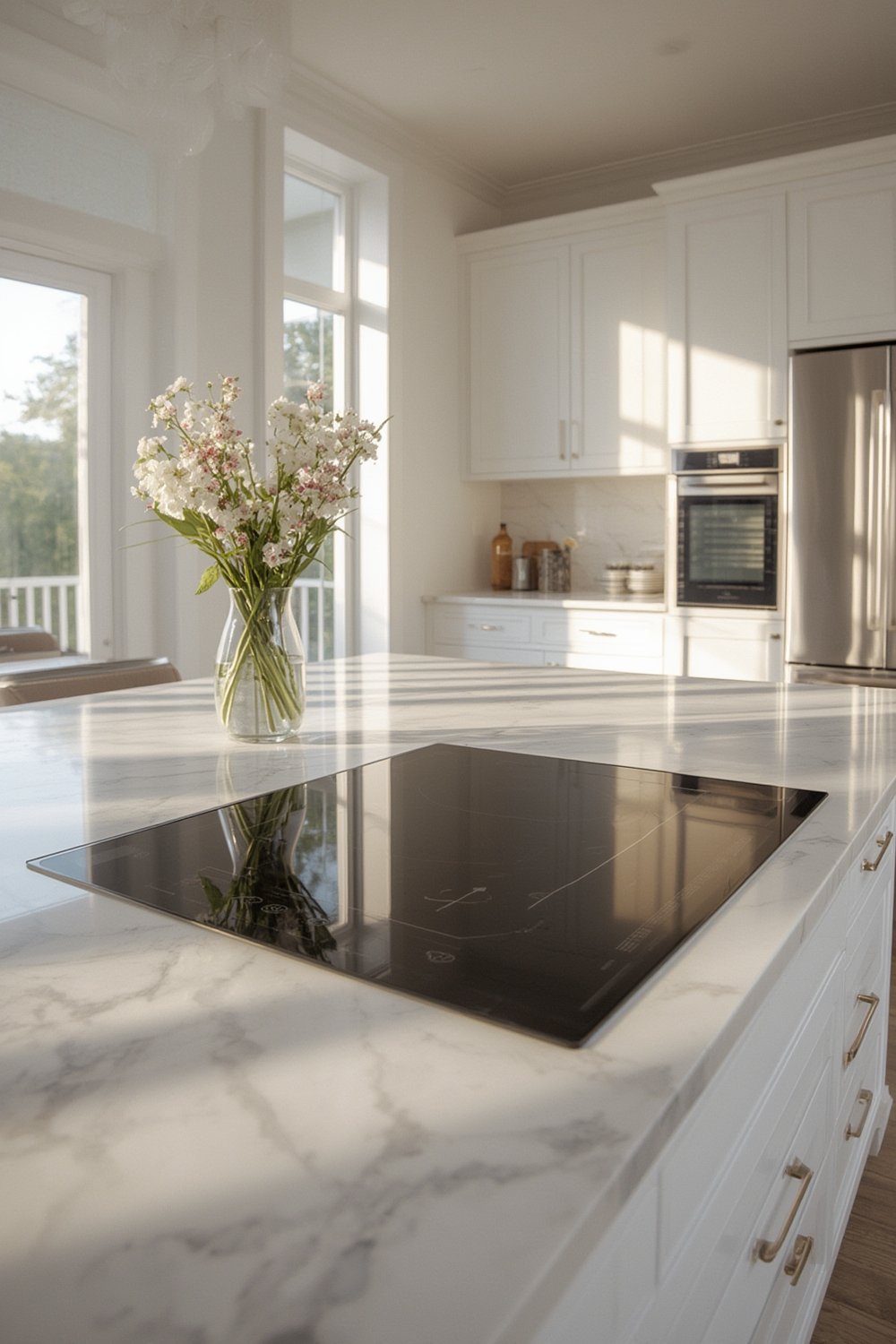
Modern induction cooktop installation is tightly regulated and usually not a DIY project. For example, Australian regulations are clear: you must have a licensed electrician install a dedicated 230–240V circuit with the proper amperage (typically 20–32A), surge protection, and safety switches. These codes are in place because electric cooktops draw high current and pose risks of fire, injury, or voided warranties when installed incorrectly. Even if you’re aiming for cost savings or cleaner energy (like switching from gas), underestimating installation complexity leads to frustrating delays—or unsafe outcomes.
For reference, you can explore specialized electrical upgrade strategies in our smart electrical panel upgrade guide for a future-proof kitchen power supply.
Step-by-Step Guide: How to Install an Induction Cooktop Safely
Ready to upgrade? Here’s a realistic, actionable process for induction cooktop installation:
- Assess Kitchen Electrical Capacity
Ensure your switchboard can support an additional 20–32A circuit. Most older homes need an upgrade before installation. Consult a licensed electrician first. - Choose the Right Cooktop
Check the power rating (watts/kilowatts) and ensure it matches your panel’s capacity. Also, verify dimensions against your benchtop cutout for a proper fit. - Obtain Necessary Permits
In Australia and many regions, permits and a Certificate of Compliance are mandatory for new circuits or cooktop installations. - Install Dedicated Circuit
The electrician must install a dedicated 230–240V single-phase line (20–32A, not a general wall outlet), surge protection, a circuit breaker, RCD safety switch, isolator switch (within 2 meters), and proper earthing. - Bench Cutout Preparation
Adhere to clearance requirements: at least 50mm from the front edge, 100mm to the base safety barrier, and 700–750mm to overhead cabinets. Follow benchtop cutout manufacturer instructions carefully. - Install & Hard-Wire Cooktop
Most induction cooktops in Australia and similar markets must be hard-wired—no DIY plug-ins. This requires a licensed electrician for safety and warranty validity. - Compliance & Testing
Your electrician should provide a compliance certificate, then thoroughly test the unit for correct operation and safety switch response. - Ventilation & Finishing Touches
Follow manufacturer guidelines for ventilation, and consider heat barriers if your cooktop sits above drawers or cabinets.
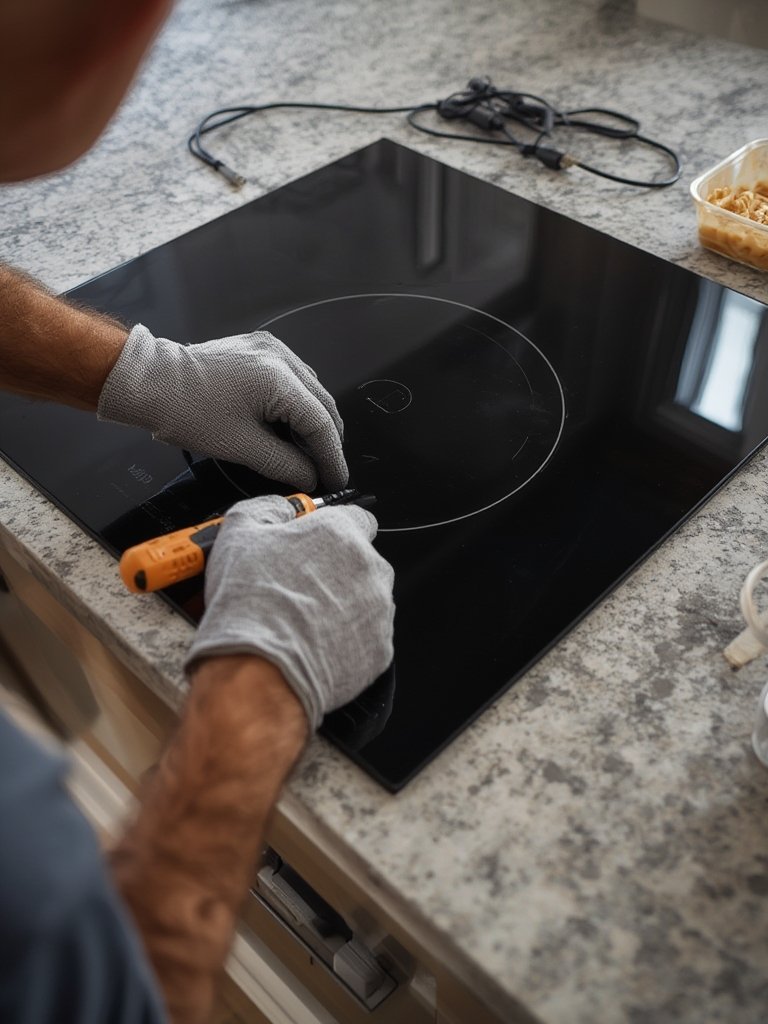
Missed this step? You might need to increase your property’s main supply (potentially a significant cost)—another reason why a professional consult is crucial. If you’re navigating electrical upgrades for maximum energy savings, see the heat pump water heater upgrade guide as well.
Advanced Analysis & Common Pitfalls
Even with step-by-step planning, most induction cooktop installation projects run into a set of recurring problems. Here’s what homeowners and pros report most often:
- Underpowered Circuits: Many kitchens don’t have a dedicated 20-32A circuit. Overdrawing a shared line can cause tripped breakers or fire risks. Always upgrade wiring as needed.
- Outdated Switchboards: Older panels may lack spare capacity or modern safety switches (like RCDs), leading to expensive upgrades before installation proceeds.
- Incorrect Benchtop Cutouts: Measurements matter. Misaligned cutouts, unsupported benchtop edges, or inadequate spacing for ventilation can void warranties and cause performance issues.
- Permits & Certificates Overlooked: Skipping official compliance steps can result in rejection of insurance claims or even forced removal at inspection.
- Surge Protection Missed: Some cooktop warranties are void if surge protection isn’t installed. Always clarify this before finalizing the work scope.
- Cookware Compatibility: While research didn’t address this, remember induction cooktops require ferromagnetic cookware—a cost and learning curve for some users. If you’re unsure, test your pots with a magnet first.
| Challenge | Impact/Risk | Solution |
|---|---|---|
| Insufficient Circuit Capacity | Breaker trips, fire hazard, failed inspection | Upgrade with a dedicated 20-32A line |
| No Compliance Certificate | Voided warranty, insurance issues | Always use a licensed electrician |
| Improper Benchtop Cutout | Overheating, appliance failure, fitment gaps | Double-check all manufacturer measurements |
| Missing Surge Protection | Electronics failure, loss of warranty | Install surge protection at the panel |
For a deeper dive into these challenges, review the detailed guidance at
Precision Electrical & Air and Hit The Switch.
If you’re considering additional energy-saving upgrades at the same time, pairing this job with a heat pump water heater installation often optimizes electrician call-outs and costs.
Conclusion
Induction cooktop installation brings substantial benefits in energy efficiency and cooking performance, but only if you approach it with the right preparation. A dedicated 230–240V circuit, certified installation, and diligent planning are not optional—they’re essential for safety, code compliance, and avoiding costly surprises. If you want a modern kitchen that’s ready for the future, invest in assessment, permits, and professional labor from the start.
Looking to future-proof your entire kitchen energy setup? Combine your induction cooktop installation with other upgrades, such as EV charging or heat pump water heating, for better value and long-term comfort. Get a licensed electrician involved early, and always insist on compliance certificates for peace of mind.
Ready to get started? Plan for a safe, code-compliant induction cooktop installation today, and set your kitchen up for years of efficient, reliable cooking. Book a professional assessment now.
FAQ
Do I need a licensed electrician for induction cooktop installation?
Yes. In Australia and most markets, a licensed electrician is required to hard-wire induction cooktops, install the dedicated circuit, and issue a compliance certificate. DIY installations risk safety, insurance, and warranty issues.
What size circuit do most induction cooktops require?
Most units need a dedicated 20–32A, 230–240V circuit. Some larger models may require three-phase power. Check your cooktop’s rating and consult your electrician before purchase.
Can I install an induction cooktop using a standard wall outlet?
No. Hard-wiring to a dedicated circuit is standard. Plug-in installations do not meet code or warranty requirements for most full-size units.
Will I need to upgrade my electrical panel?
Possibly. If your panel lacks spare capacity, amperage, or modern safety switches (like RCD), an upgrade is often required. Your electrician can assess and advise before you buy your cooktop.
What hidden costs can I expect when switching from gas to induction?
Extra costs may include switchboard upgrades, permits, countertop modifications, new cookware, and sometimes ventilation adjustments. Always request a full written quote covering all possible extras.