


Home gym flooring is the foundation of every effective home workout space. It impacts your comfort, safety, noise levels, and even your equipment’s lifespan. Choosing the right solution isn’t just about picking a mat—it’s about finding a surface that matches your training, your budget, and your space constraints.
Key Takeaways
- The home gym flooring market is expanding, especially with more homeowners seeking durable, sound-absorbing options as home fitness grows.
- Thickness, density, and installation technique all matter—matching the right floor to your exercise type prevents injuries and costly replacements.
- Step-by-step installation, honest price comparisons, and understanding pitfalls like odor and shifting are crucial for long-term satisfaction.
- What Is Home Gym Flooring and Why Does It Matter?
- Step-by-Step Guide: How to Choose & Install Home Gym Flooring
- Advanced Analysis & Common Pitfalls
- Conclusion
- FAQ
What Is Home Gym Flooring and Why Does It Matter?
Home gym flooring is a specialized surface designed to protect your equipment, your joints, and your subfloor from the impacts and vibrations of exercise. With the athletic flooring market estimated to reach $4.6 billion by 2032, and the residential fitness segment set to double by 2026, there’s never been more choice—or confusion—about flooring options.
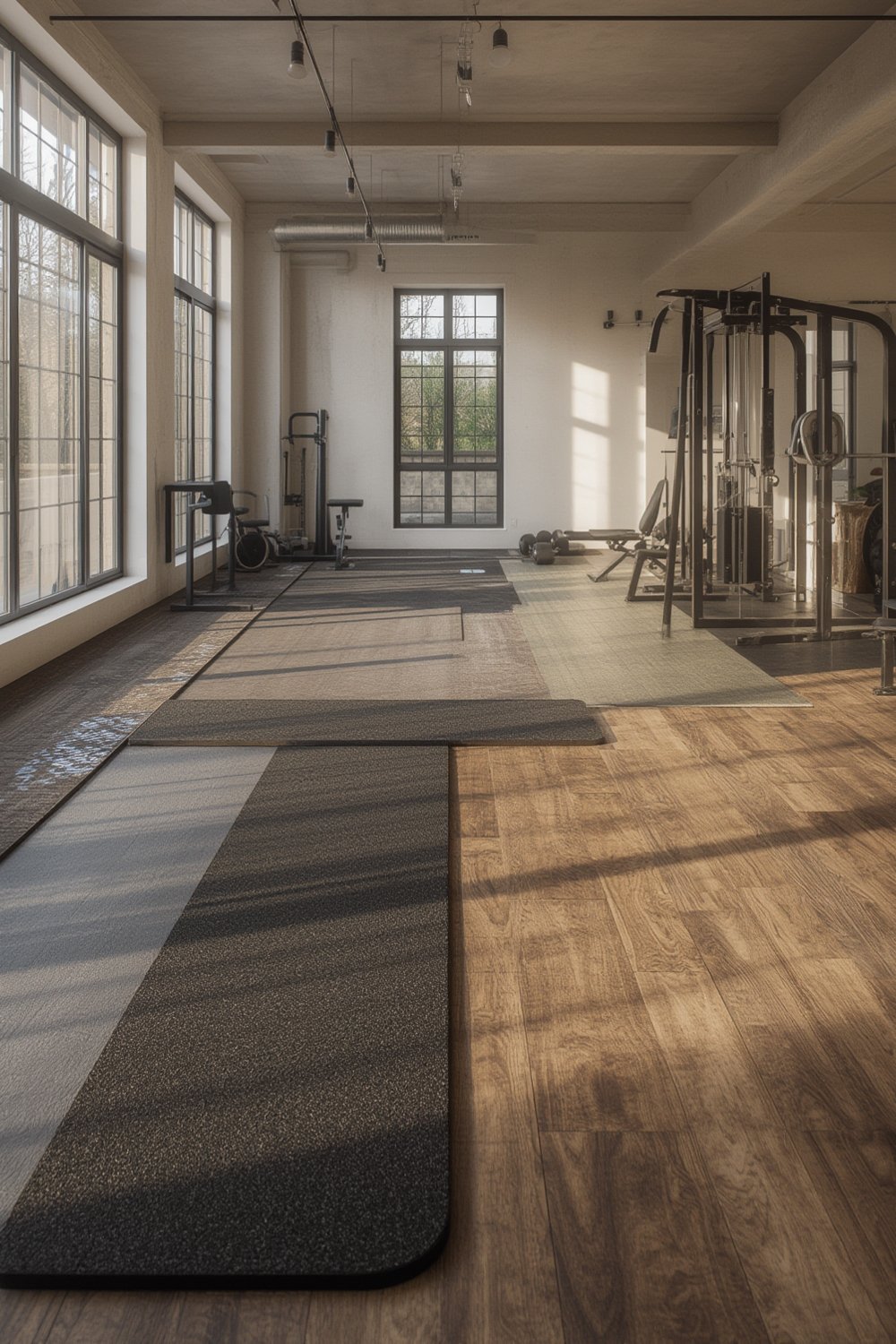
Most homeowners choose between rubber rolls, foam tiles, and interlocking tiles. Each has pros and cons. Rubber delivers durability and high impact absorption but can mean higher upfront cost and potential odor. Foam is budget-friendly yet less durable under weights. Modular tiles combine ease of fitting with tailored protection but may shift if improperly installed.
Picking the wrong surface can lead to everything from joint pain and slipped mats to damaged subfloors and costly equipment failures. Whether you’re outfitting a garage for heavy barbell training or just want a quiet, forgiving space for yoga, understanding your real needs means a better investment.
For comparison, emerging trends in other utility-oriented home upgrades—like energy efficient water heaters and smart electrical panels—show that unresearched decisions rarely end well. Flooring for home gyms is no exception.
Step-by-Step Guide: How to Choose & Install Home Gym Flooring
-
Assess Your Space & Needs
Measure the area, note your subfloor type (concrete, wood), and list the types of workouts you’ll do. HIIT routines, weightlifting, and yoga each have distinct flooring needs. -
Compare Flooring Types
Rubber rolls: Best for heavy weights and durability. foam tiles: Suitable for bodyweight, yoga, or light cardio. Modular/interlocking tiles: Ideal for custom areas and DIY upgrades.Market reports highlight that most home gym floors fall under “synthetic” types, with rubber ranking highest for resilience.
-
Match Thickness & Density to Your Exercise Type
While there’s a lack of published industry standards, common gym owner experience shows:- Cardio & general fitness: 6–8mm (¼–⅜ inch) rubber or ½ inch foam
- Olympic or powerlifting: 10–15mm (⅜–⅝ inch)+ rubber, higher density (≥2 lbs/sq.ft.)
- Yoga or mat-based: 10–15mm foam or softer surfaces
If possible, source samples and drop an actual dumbbell onto them—real world performance beats marketing claims.
-
Calculate Costs
Since 2024–2026 price data is not reliably published, estimate using past averages:- Rubber rolls: $2–$5 per sq.ft., plus $1–$2/sq.ft. for professional installation
- Foam or interlocking tiles: $1–$3 per sq.ft., typically DIY friendly
- Premium modular systems: $4–$8 per sq.ft. and up
For a typical 200 sq.ft. garage, total installed cost can range from $300 (DIY foam) to $1,400+ (pro rubber roll install).
-
Order, Acclimate, and Install
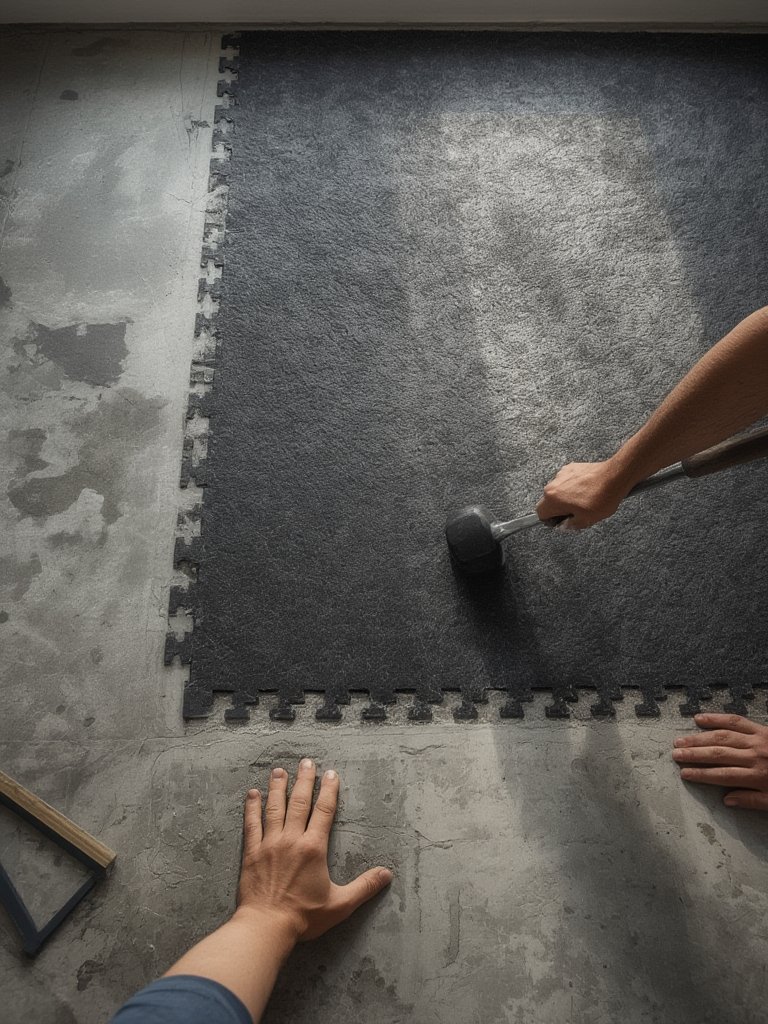
Always let flooring acclimate to your space for 24–48 hours to prevent shrinkage or warping. For rubber rolls, use a utility knife, tape measure, and strong double-sided tape or adhesive. Interlocking tiles usually snap together by hand. Stagger seams for fewer visible lines and less risk of floor shifting.
Want more advanced tips on integrating home upgrades? Explore the connection between smart upgrades like garage ADU conversions and optimal flooring choices for multipurpose spaces.
Advanced Analysis & Common Pitfalls
Even experienced DIYers hit snags with home gym flooring. Here’s what often goes wrong—and how to avoid it:
| Flooring Type | Common Pitfalls | Realistic Solutions |
|---|---|---|
| Rubber Rolls |
|
|
| Foam Tiles |
|
|
| Interlocking Mats |
|
|
Missed by Most Articles:
- Comprehensive Thickness Guide: Most sites gloss over this, but matching thickness (see prior section) directly affects comfort and equipment stability.
- Soundproofing: While no objective lab tests exist, denser rubber dramatically reduces dropped weight noise—if you work out above a living space, always go thicker.
- Step-by-Step Pricing: The lack of transparent price guides means many buyers overspend—always price out every component (including adhesives, tools, and potential delivery fees).
If you want a fully soundproof exercise zone, read this in-depth guide on home soundproofing upgrades that pair with premium gym surfaces for real results.
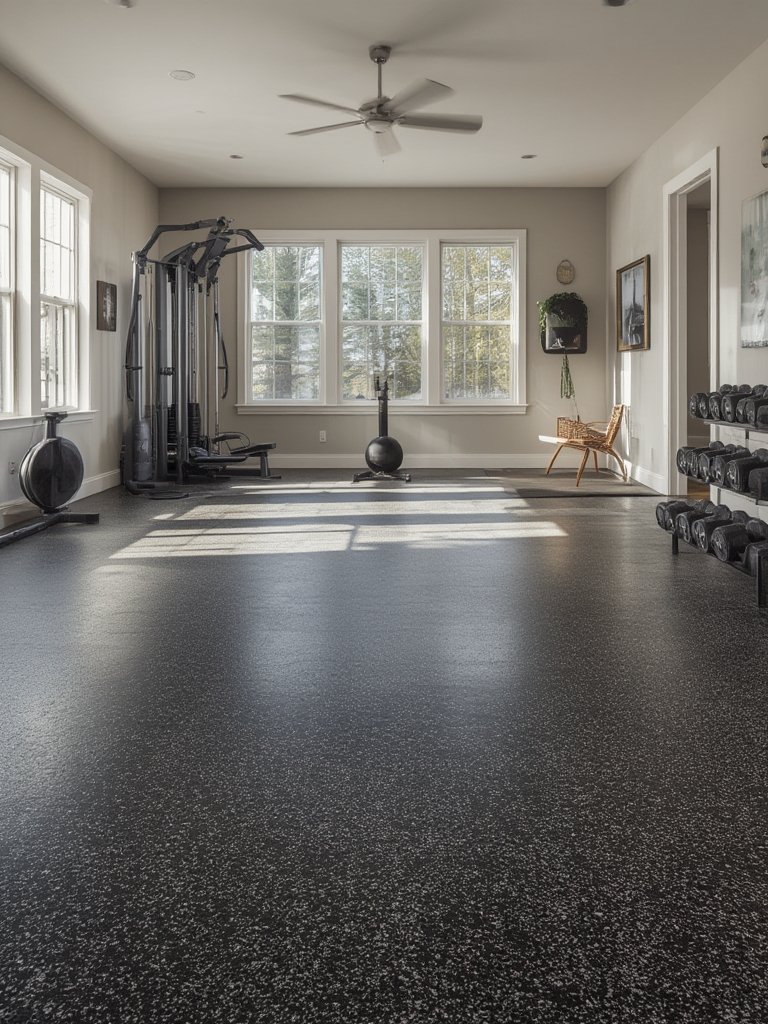
Maintenance and lifespan are also overlooked. While new material tech promises longer use, the absence of detailed studies means you should plan to replace foam or entry-level tiles within 1–3 years of heavy strength use. Pro rubber floors may last a decade with monthly cleaning and occasional seam re-taping.
Thinking about a multi-functional space? See how LVP flooring offers a waterproof, cleanup-friendly alternative for areas where gym, play, and storage needs mix.
Conclusion
Smart home gym flooring choices protect your body, your house, and your investment. Measure your room, match material to activity, and don’t trust marketing hype—buy samples, compare prices, check odor and thickness in person. The right home gym flooring turns any space into a safe, comfortable training studio, whether you’re after a powerlifting haven or a family wellness corner. Ready to upgrade? Compare options, price it out carefully, and transform your home gym experience today.
FAQ
How thick should home gym flooring be for weightlifting?
For Olympic and powerlifting, aim for at least 10–15mm (⅜–⅝ inch) thick dense rubber. This absorbs impacts and protects underlying floors from heavy weights. Lighter exercise zones may use 6–8mm (¼–⅜ inch).
Can I install gym flooring myself, or do I need a professional?
Foam and interlocking tiles are DIY-friendly. Rubber rolls over ¼ inch thick are heavy and often require two people, sharp blades, and sometimes adhesives. Pro install guarantees a seamless, durable finish but increases cost.
Does rubber gym flooring smell bad? How long does odor last?
Most new rubber flooring off-gasses a “tire” odor that can last several days to weeks, depending on ventilation. Letting rolls air out outdoors before installation speeds up this process.
How do I keep my gym floor from shifting or separating?
Clean subfloors thoroughly, use double-sided tape or adhesives for rubber, and stagger seams for interlocking tiles. Heavy equipment set along the edges can also help anchor flooring in place.
How long will gym flooring last under heavy use?
Quality rubber floors can last 8–12 years if maintained monthly. Foam tiles usually need replacing within 1–3 years if exposed to weights. Regular cleaning and checking seams increases any flooring system’s life.