


### Blog Post:
Heat pump water heater technology is changing how homeowners think about water heating, offering dramatic energy savings compared to traditional electric or gas systems. If you’re debating whether to upgrade—or just curious about the actual pros and cons—this deep dive covers every angle you won’t find in typical buying guides.
Key Takeaways
- Heat pump water heaters typically slash water heating costs by 50–70%, but come with higher upfront costs and unique installation challenges.
- Federal tax credits up to $2,000 and potential long-term savings ($2,300–$9,000 over 15 years) make them compelling for many households.
- Performance, noise, and space requirements are real concerns—careful planning before installing is a must.
- What is a Heat Pump Water Heater and Why Does It Matter?
- How to Choose and Install a Heat Pump Water Heater (2026 Step-by-Step Guide)
- Advanced Analysis & Common Pitfalls: What Most Reviews Miss
- Conclusion
- Frequently Asked Questions
What is a Heat Pump Water Heater and Why Does It Matter?
Unlike standard electric or gas water heaters that burn fuel or run a resistance coil, heat pump water heaters transfer heat from the surrounding air into water via a refrigeration cycle. This process dramatically increases efficiency—every $1 spent on electricity can deliver $2–$3 worth of hot water. The Department of Energy reports 50–70% less energy use on average, leading to big utility bill reductions over time.
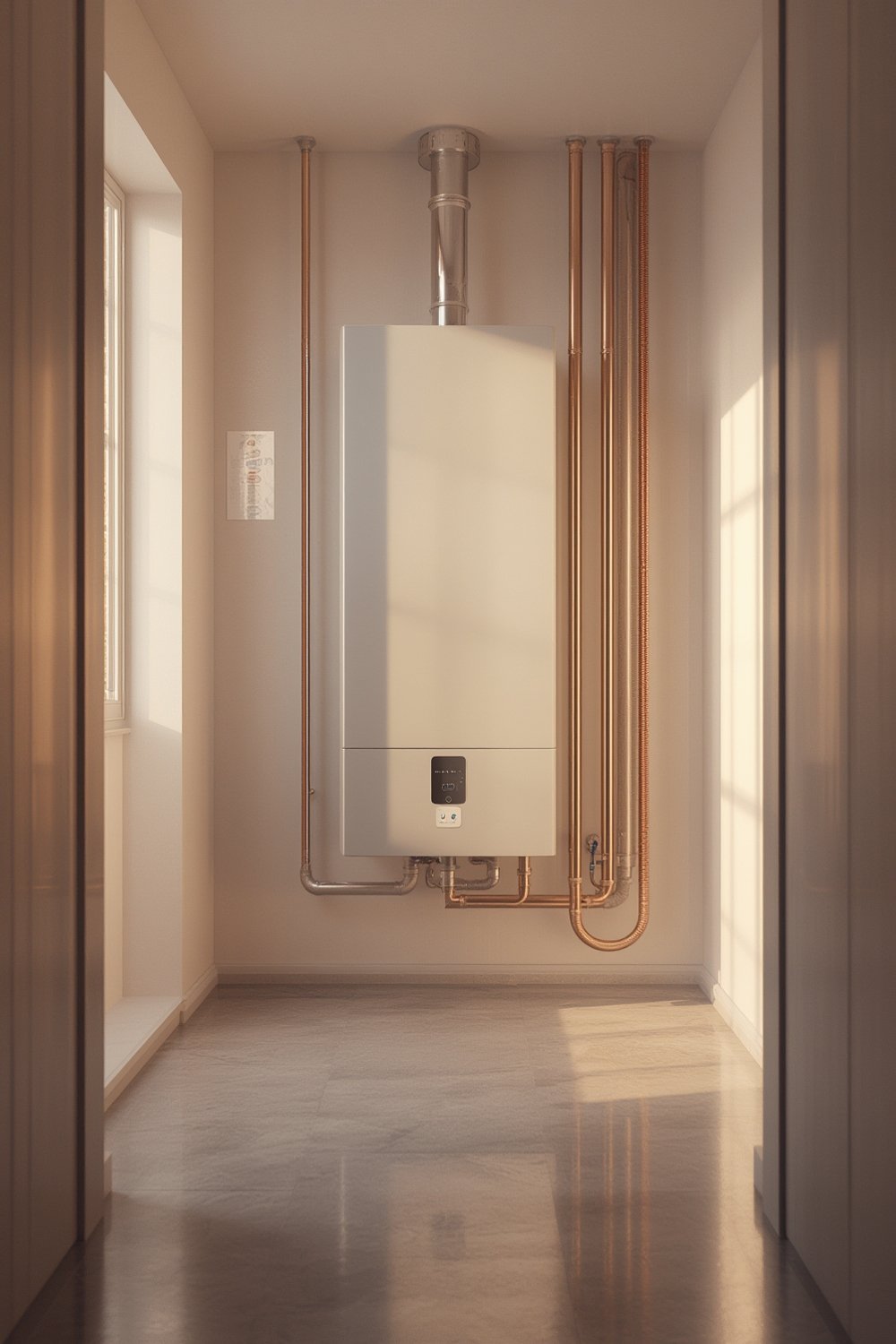
The technology is proven and gaining steam thanks to new federal incentives, power grid decarbonization, and surging utility rates. But the system’s true value—and possible headaches—only reveal themselves when you dig beneath the sales pitch. That’s what this guide is for.
If you’re looking for a real-world walkthrough of what to expect, also check out our in-depth heat pump water heater upgrade guide, which spotlights 7 ways to maximize savings and covers frequent customer questions.
How to Choose and Install a Heat Pump Water Heater (2026 Step-by-Step Guide)
-
Check Your Space and Airflow Needs.
Heat pump water heaters need 450–700 cubic feet of open air—about the size of a large laundry room or basement area. Tiny closets and cramped mechanical rooms rarely work. -
Assess Electrical and Plumbing Compatibility.
Most units need a dedicated 240V circuit (like a modern dryer), so older homes may require a panel upgrade. Plumbing lines and condensate drainage routes should also be mapped out before proceeding. -
Calculate Total Installed Costs & Incentives.
Expect to pay $3,500–$9,000 installed in 2026, with professional labor often more than half the bill. Grab every possible incentive—federal tax credits can take a $2,000 chunk off the top. -
Pick the Right Size and Model.
For a family of four, a 50–80 gallon tank is common. Efficiency and noise ratings matter—a model like the Bradford White AeroTherm® G2 is notable for efficiency, but compare with others on your shortlist (e.g., any ENERGY STAR unit). -
Hire Qualified Installers.
Seek contractors familiar with hybrid/heat pump systems, not just traditional tanks, for proper retrofit and code compliance. -
Plan for Ongoing Maintenance.
Schedule annual filter and condensate drain checks. If you’re in a humid region, evaluate whether added dehumidification is a side benefit or will create unintended effects with your HVAC.
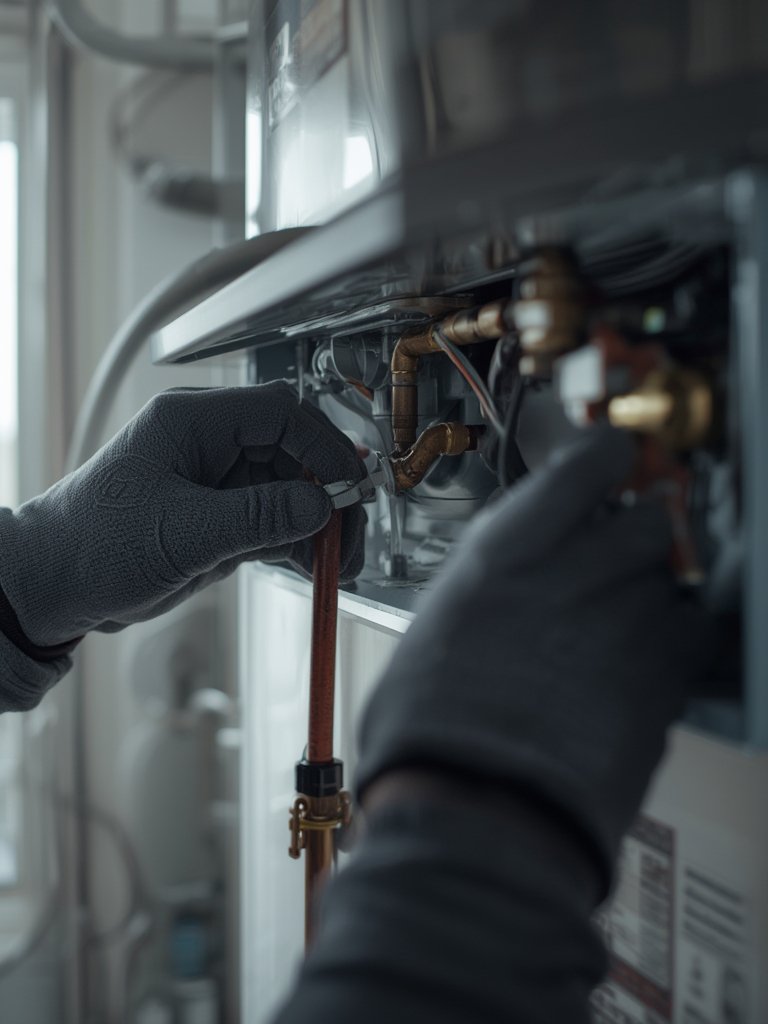
For step-by-step project ideas or ways to combine your upgrade with other smart energy retrofits, such as a smart panel for whole-home monitoring or a battery backup, see our guides for integrated home energy solutions.
Advanced Analysis & Common Pitfalls: What Most Reviews Miss
Looking past the marketing, several downsides and stumbling blocks need to be understood before you hit “buy.” Real-life installation often throws some curveballs:
- Noisy operation: Compressors are as loud as a window AC. This can be intrusive in living spaces, especially in open floorplan homes (source).
- Slow hot water recovery: If your family takes back-to-back showers in the morning, expect longer waits unless your heater includes a backup resistance mode.
- Space constraints: Many older homes simply can’t provide the 450–700 cubic feet of clear space these units require, making some installations impractical or expensive to retrofit.
- Install costs often underestimated: Professional labor, permitting, and electrical upgrades can push the final bill 30–50% higher than tank cost estimates (NerdWallet).
- Performance depends on room temperature: Cold basements or garages reduce efficiency, and in freezing climates, many units rely on costly backup electric heat.
- Humidity “bonus” or headache: In humid climates, heat pumps can help dry basements, but in arid locations this may over-dry the space—consider your local climate before choosing location.
| Category | Heat Pump Water Heater | Traditional Electric | Gas Tank |
|---|---|---|---|
| Annual Operating Cost | $104–$160 | $380–$550 | $190–$200 (natural gas) |
| Total Installed Cost | $3,500–$9,000 | $2,000–$4,500 | $1,900–$5,950 |
| Federal Tax Credit | Yes (up to $2,000) | No | No |
| Lifespan | 10–15 years | 8–12 years | 8–12 years |
| Space Requirement | 450–700 c.f. | Minimal | Minimal |
Interested in price breakdowns by model and secret ways to maximize rebates? Our rebate and installation cost analysis details up-to-the-minute pricing, including special Ohio Valley and national deals.
Among new models, only the Bradford White AeroTherm® Series G2 gets a verified mention for leading efficiency and reliability as of 2026 research. Many ENERGY STAR units will approach similar results but compare features, warranty, and local installer references carefully.

Conclusion
Heat pump water heaters can dramatically lower household energy use, offer appreciable federal tax credits, and align with a modern, eco-forward lifestyle. However, installation complexity, noise, and space needs mean careful pre-planning is essential. If you want reliable long-term savings and your home can support the system requirements, now is one of the best times to make the switch—especially while incentive programs last.
Ready to lower your utility bill? Get a tailored quote and space assessment from a certified installer—and don’t forget to ask about area rebates and the full installation breakdown. Start calculating your potential savings with a heat pump water heater today.
Frequently Asked Questions
How much space do I need for a heat pump water heater install?
Most heat pump water heaters need between 450 and 700 cubic feet of open air around them. This is about the size of a large laundry or utility room. Tight closets, small mechanical rooms, or crawlspaces typically won’t work unless you can add vents or expand the installation area.
Are heat pump water heaters noisy?
Yes, the compressor makes noise similar to a window air conditioner—enough to be noticeable if installed near common living spaces or bedrooms. For best results, locate the heater in a basement or utility area where sound is less disruptive. Some newer models may offer improved noise ratings.
What kind of annual savings can I really expect?
Most homeowners save $300–$600 per year versus an electric resistance water heater. Over 10–15 years, this adds up to $2,300–$9,000 in lower energy bills, depending on hot water usage, rates, and your climate.
Am I eligible for the $2,000 federal tax credit?
Yes, if you install a qualifying heat pump water heater in a primary residence between now and 2026. The unit must meet ENERGY STAR efficiency guidelines. Check with your tax professional when you file for the details, since some state/local programs have additional requirements.
Are there any downsides to heat pump water heaters?
Potential downsides include higher upfront cost, space and electrical requirements, possible installation complications in older homes, slower hot water recovery, and noise. Carefully review your home’s conditions and get multiple installer quotes before proceeding.