


### Blog Post:
Hard water shower filter systems have gained popularity among homeowners seeking healthier hair, softer skin, and a better shower experience. But do these filters truly make a difference, and what real-world issues should you consider before installing one?
Key Takeaways
- No direct scientific evidence links hard water exposure in showers to hair loss, but it can cause brittleness, dryness, and skin irritation.
- Most hard water shower filters target minerals, chlorine, and sediment, but product quality, filter lifespan, and plumbing compatibility are often overlooked in buying decisions.
- Routine filter replacement and correct installation are essential for effectiveness—choose models with clear certification, tested media, and accessible parts for ongoing maintenance.
- What Are Hard Water Shower Filters and Why Use One?
- How to Choose and Install a Hard Water Shower Filter: Step-by-Step
- Advanced Analysis: Pitfalls, Problems, and Real-World Results
- Conclusion
- Frequently Asked Questions
What Are Hard Water Shower Filters and Why Use One?
Hard water contains high concentrations of dissolved minerals, primarily calcium and magnesium. When you shower, these minerals can leave residue on your hair and skin, resulting in dryness, dullness, and breakage. Although hard water is not proven to cause actual hair loss or impact hair growth, dermatologists agree that it can lead to irritation, lower hair strength, and worsen underlying dermatitis. Repeated exposure over time may increase the need for moisturizing routines and clarifying treatments.
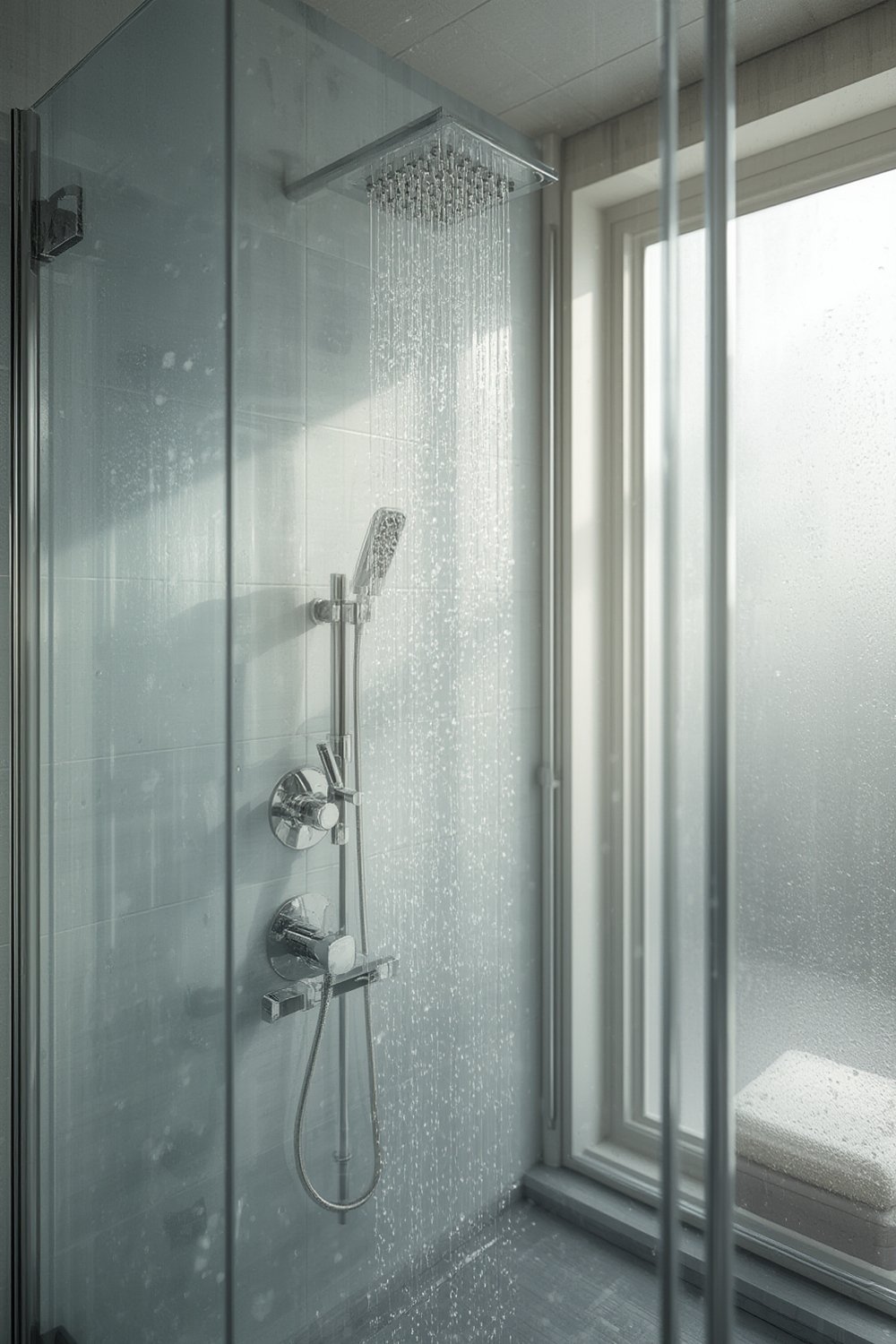
Installing a hard water shower filter is a practical DIY upgrade that can improve shower comfort, reduce limescale buildup on fixtures, and ease symptoms for those with sensitive skin. These filters work by removing or neutralizing minerals, chlorine, and even some organic contaminants as water flows through your showerhead. Their popularity is particularly high in regions with known hard water, but the actual effectiveness and value depend largely on filter quality, maintenance, and how well the system matches your plumbing and lifestyle.
Clinical evidence suggests that tensile hair strength may decrease after exposure to hard water (as seen in some studies), making regular filter replacement and proper installation key to maximizing benefits.
How to Choose and Install a Hard Water Shower Filter: Step-by-Step
Installing a hard water shower filter is straightforward, but picking the best model and performing proper maintenance require attention to detail. Here’s a step-by-step guide for homeowners and DIYers:
-
Identify Your Local Water Hardness
Start by checking your local water utility’s mineral levels. You can also buy a cheap test kit—hardness is measured in mg/L or grains per gallon (gpg). If you’re unsure, your water likely qualifies as “hard” if white residue builds up quickly on bathroom fixtures. -
Choose the Right Filter Type
There are two primary kinds:- In-line shower filters that install between the pipe and showerhead
- Showerheads with built-in filters
Look for filters specifying multi-stage filtration (KDF, activated carbon, or Vitamin C), which target both minerals and chlorine.
-
Verify Certifications
Some top-tier models offer NSF/ANSI certification—a good sign of tested performance and safety. -
Assess Filter Lifespan and Cost
How often must you replace the filter? Most require replacement every 3–6 months. Factor in cartridge cost for annual maintenance—plan for $30–$90 annually depending on water quality and model. -
Check Compatibility
Confirm the filter fits your current shower pipe and water pressure. Some models restrict flow, reducing water force, especially in homes with older plumbing. Avoid disappointment by reviewing sizing and connection type before buying. -
Install the Filter
Hand-tighten connections and use Teflon tape to prevent leaks. Let water run for several minutes after installation to flush carbon dust and activate the filter. -
Replace cartridges as recommended
Replace cartridges as recommended—even if water still seems clear. Accumulated minerals or bacteria can reduce effectiveness and may worsen health outcomes.
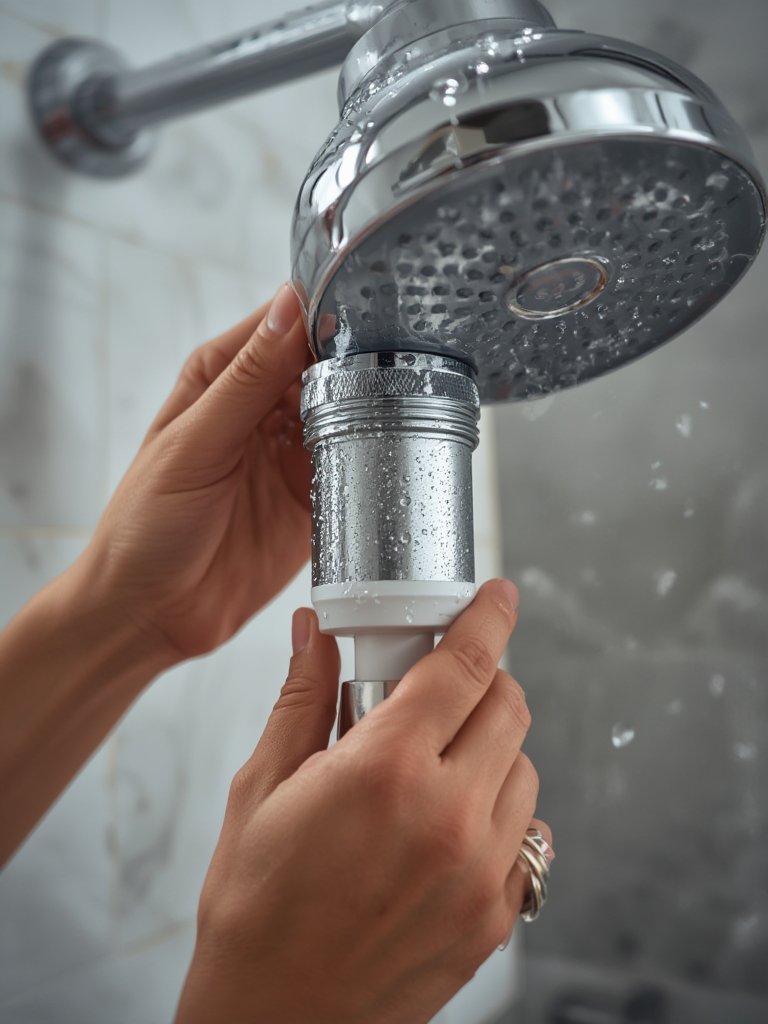
Before making a purchase, review user manuals to ensure the product is compatible with your plumbing and easy to disassemble for quick cartridge swaps. For water and energy efficiency, you might also evaluate newer filter heads alongside investments like a heat pump water heater for whole-home upgrades.
If you’re renting or have complicated plumbing, select filters with universal fit adapters, which can be unscrewed and replaced without damaging original hardware. Explore how shower upgrades can tie into broader home resilience and wellness improvements for even greater impact.
Advanced Analysis: Pitfalls, Problems, and Real-World Results
The benefits of a hard water shower filter are sometimes over-promised and under-delivered. Here are the most common pitfalls homeowners face when diving into this upgrade:
| Potential Issue | Realistic Impact | Workarounds / Tips |
|---|---|---|
| No Certified Reductions | Many filters claim to remove chlorine, heavy metals, and minerals but lack independent test results. Some only target chlorine and large particulates, leaving minerals mostly unaffected. | Choose reputable brands with NSF/ANSI certification or published lab tests. |
| Reduced Water Pressure | Improperly installed filters or models with small internal diameters can significantly lower shower pressure. This often frustrates users who expect a “spa” upgrade. | Read reviews and confirm flow rate (minimum 2.0 GPM is best for standard showers). |
| Leaks at Joints/Adapters | If threads or compression fittings are misaligned or overtightened, leakage may occur, leading to water damage or mold risk over time. | Use new Teflon tape and hand-tighten carefully—avoid pliers except for loosening stubborn parts. |
| Missed Maintenance Windows | Forgetting to swap cartridges regularly allows bacteria and scale to accumulate. This can worsen water quality or even clog the showerhead. | Set digital reminders or use calendar stickers provided in some filter kits. |
| Limited Effect on Hair Loss | No filter can “prevent” genetic or hormonal hair loss. Studies show only a minor advantage for breakage, not for hair regrowth. | Consult a dermatologist before investing if hair loss is a primary concern. Try chelating/clarifying products for mineral buildup (source). |
Many homeowners expect filtered showers to offer a cure-all for skin and hair. While some improvement is common, the biggest benefits are usually reduced fixture buildup and a mild difference in the feel of water. Choose models with clear maintenance schedules and recycling options for used cartridges to minimize environmental impact.
If you’re making ongoing home upgrades, a point-of-entry water softener for the whole house —especially when paired with a new hybrid water heater—may provide broader benefits for appliances and laundry as well.
Conclusion
A hard water shower filter provides mild-to-moderate improvements in shower comfort, hair breakage, and limescale prevention—but shouldn’t be relied on for preventing hair loss or curing sensitive skin conditions. Expect to invest both in the original filter and ongoing replacements. If you’re upgrading your home, consider integrating this solution with a full home resilience or energy improvement plan for the best long-term payoff. Ready to experience the benefits? Research your options and choose a trusted hard water shower filter today.
Frequently Asked Questions
Will a hard water shower filter eliminate all minerals from my water?
No. Most consumer-grade shower filters reduce but do not remove all minerals. Expect lower limescale and some filtration of chlorine, but significant mineral content will remain—especially if you have very hard municipal water.
Can a shower filter reverse hair loss?
No scientific evidence supports shower filters as a remedy for hair regrowth or preventing genetic/hormonal hair loss, per leading dermatologists. They help reduce dryness and breakage but not actual hair loss. Read more here.
How often should I replace a hard water shower filter cartridge?
Most shower filter cartridges require replacement every 3 to 6 months. Frequency depends on local water hardness and shower usage. Always follow your manufacturer’s guidelines for maximum effectiveness.
Will a shower filter reduce water pressure?
If installed correctly and matched to your plumbing, most modern shower filters maintain water pressure. Cheaper or incompatible models can restrict flow. Check the minimum flow rate (2.0 GPM is ideal) before purchasing.
Are shower filters easy to install and uninstall?
Yes. Most filters are designed for DIY, requiring minimal tools. Use Teflon tape and hand-tighten to avoid leaks. For renters, select universal in-line filters that are simple to remove before moving out.
—