


### Blog Post:
EV charger home installation is now a central concern for homeowners considering an electric vehicle, but the process involves much more than simply plugging in a device. Real costs, code quirks, and potential pitfalls can transform what seems like a weekend project into a major renovation. This guide delivers everything you need to make your EV charging setup efficient, future-proof, and headache-free.
Key Takeaways
- Level 2 chargers home installation costs $1,200–$2,500 on average, but expenses can rise sharply with panel upgrades or tricky wiring.
- Permits and code requirements often cause delays and extra costs—especially in older homes or multifamily properties.
- GFCI Breaker Issues, location risks, and permit confusion are common pain points that most guides overlook but can severely impact your install.
- Why Home EV Charger Installation Is More Complex Than It Looks
- Step-by-Step Guide to EV Charger Home Installation
- Advanced Analysis & Common Pitfalls
- Conclusion
- Frequently Asked Questions
Why Home EV Charger Installation Is More Complex Than It Looks
Installing a home EV charger is not a plug-and-play decision. At its core, it means setting up a dedicated circuit—usually 240V—for consistent, faster charging. While a basic 120V Level 1 charger can work with an existing outlet, Level 2 chargers cut charging time from days to hours, making them far more practical but also more demanding to install.
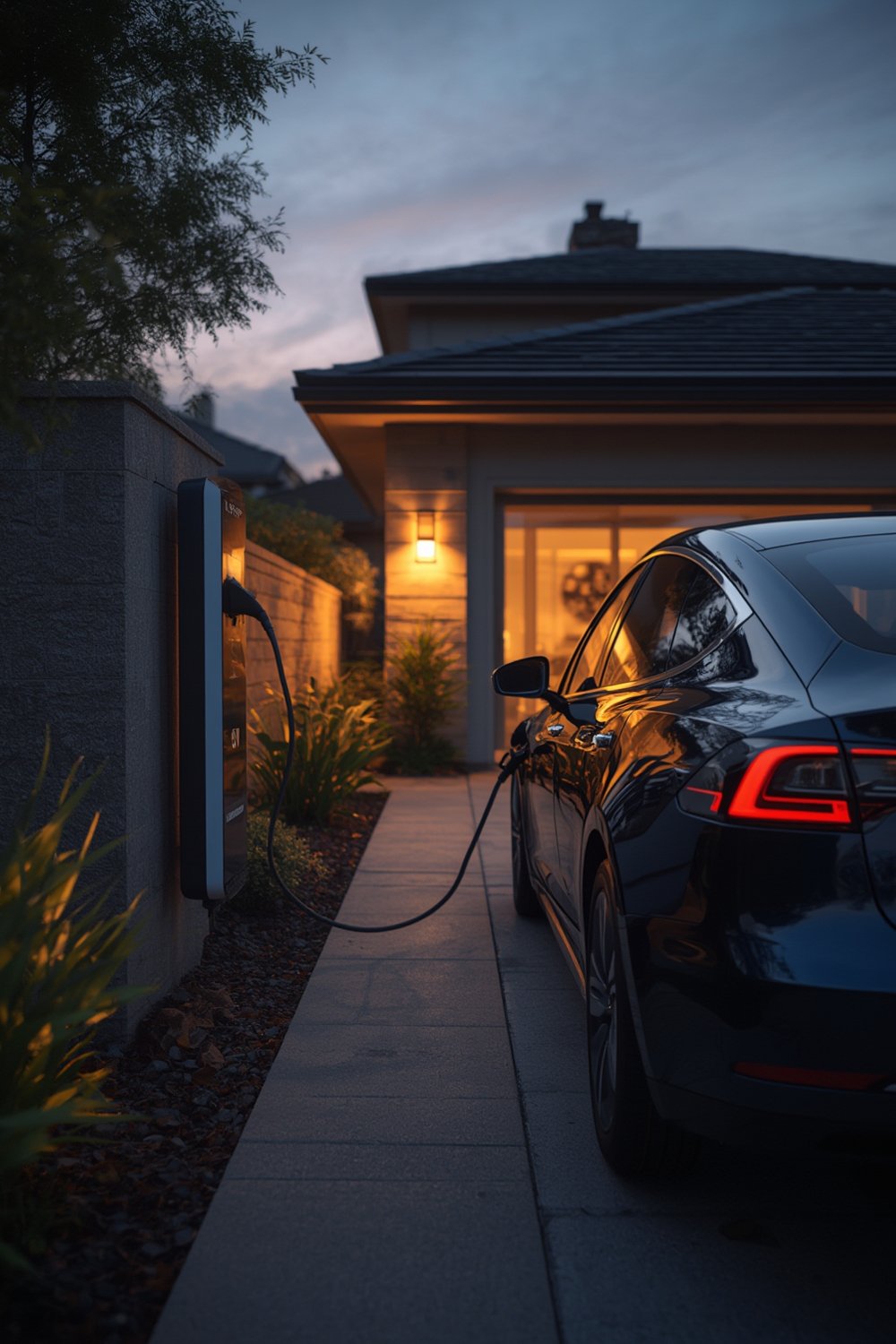
The challenge is that every home’s wiring, panel capacity, and physical layout are different. Some houses will need a panel upgrade or additional subpanel, especially older homes. Even if you’re set up electrically, you may face obstacles with permits, codes, and nuisance tripping—none of which should be ignored if you want lasting, reliable charging without unwanted surprises.
Step-by-Step Guide to EV Charger Home Installation
- Assess Your Charging Needs: Identify if your daily usage requires Level 1 or Level 2 charging. For most, Level 2 is the practical choice—charging a modern EV in 4–10 hours versus over 24 hours at Level 1.
- Evaluate Your Electrical Panel: Check your main electrical panel’s capacity. Level 2 chargers often need a 40A circuit, so if your panel is already full or is less than 200A, factor in $500–$2,000 for a panel upgrade or subpanel. Learn more about smart upgrades with our smart electrical panel upgrade guide.
- Plan Your Installation Location: Installing your charger inside a garage usually means lower costs ($800–$1,500), while outdoor and long-distance wiring (such as from basement to driveway) increases the bill significantly ($800–$2,500+ with trenching).
- Pull Permits & Follow Code: Nearly every US and Canadian city requires an electrical permit for a new 240V circuit or hardwired charger. Permit fees average $310 but range widely ($50–$800). Processing times also vary, so check with local building authorities early.
- Choose a Charger: Look for a reputable Level 2 charger with at least a 24ft cable and a strong warranty. The Tesla Wall Connector ($450, 44 miles/hour, 4-year warranty) is a solid, future-ready pick for both NACS and J1772 vehicles. For a comprehensive installation breakdown, see our step-by-step EV charger installation guide.
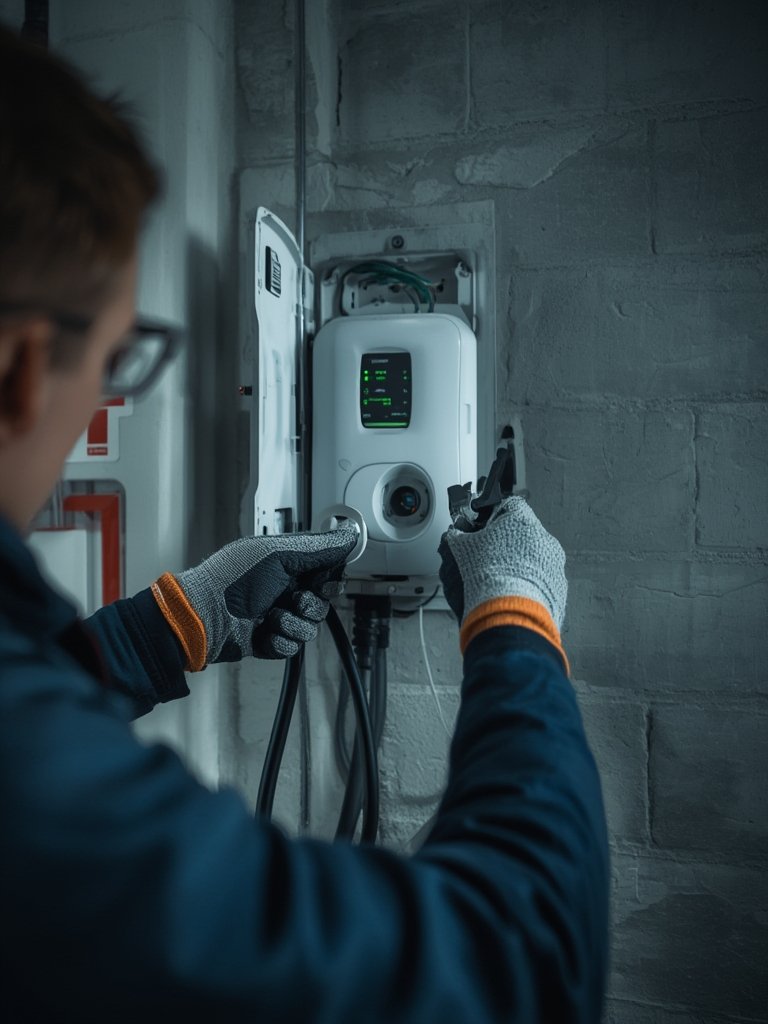
- Hire a Licensed Electrician: Do not attempt self-installation unless you’re certified. A pro will ensure up-to-date GFCI protection (code), correct wire sizing, and safe mounting. Labor costs range from $300–$1,500 depending on complexity.
- Installation & Inspection: After the install, your city may require an inspection. Keep all paperwork for future home sales or warranty claims.
Important Cost Factors to Watch
- Electrical Upgrades: If your panel is outdated, that’s typically $650–$2,000+ extra.
- Wiring Distance: The farther your charger is from the panel, the more you’ll pay for copper wiring, conduit, and labor—especially if trenching is needed for outdoor installs.
- GFCI Breaker Issues: Code now requires GFCI protection on new 240V circuits. This can cause nuisance tripping, particularly with plugged-in Level 2 chargers—one reason many pros recommend hardwired installs for reliability.
- Permits and Inspections: Don’t forget about permitting and mandatory inspections. These can delay your timeline, add paperwork, and sometimes require unplanned rework if requirements aren’t met.
Looking to cut utility costs further?
Many EV owners pair their charger install with a heat pump water heater upgrade or home battery storage system for maximum savings and resilience.
Advanced Analysis & Common Pitfalls
Not every EV charger install is smooth. Here’s what can go wrong and how to avoid the big mistakes most resources fail to mention:
| Pitfall or Cost Factor | Details | Avoidance Strategy |
|---|---|---|
| GFCI Breaker Nuisance Tripping | Plugged-in Level 2 chargers, by code, require GFCI breakers—which are known to trip unnecessarily, interrupting charging. | Opt for hardwired over plug-in, and have your electrician choose GFCI breakers with low false-positive rates. |
| Panel or Subpanel Upgrades | Older homes often lack the spare capacity for a 40A circuit. | Order a panel assessment up front, and budget the potential $500–$2,000 required for upgrades or a new subpanel. |
| Long Wiring Runs / Trenching | Distance from panel to charger can multiply both material and labor costs. Outdoor and detached garages often require underground conduit. | Install as close to your main panel as practical and avoid outdoor runs if possible. |
| Permit Delays and Regional Red Tape | Some cities have slow permit processing and complex code requirements, and Canadian cities may have unique standards. | Contact your authority early, request requirements in writing, and check for available inspection windows when booking your installation. |
| Overlooking Rebates & Incentives | Federal, state, and utility incentives change often. Not applying can mean missing out on $500–$1000+ of savings. | Use reputable online tools and talk to your city or power company before starting work. |
For more guidance on tackling complicated retrofits, see our resource on garage ADU conversions, which often overlap with electric upgrades for EV charging.
Permit requirements can also stall projects. Most US and Canadian municipalities require a separate electrical permit if you’re installing or modifying a 240V circuit—and building permits if walls are opened or trenching is required. Fees average $310, but processing times and total bill can vary dramatically by metro. Be sure to check local timelines in advance to avoid weeks of delays.
Conclusion
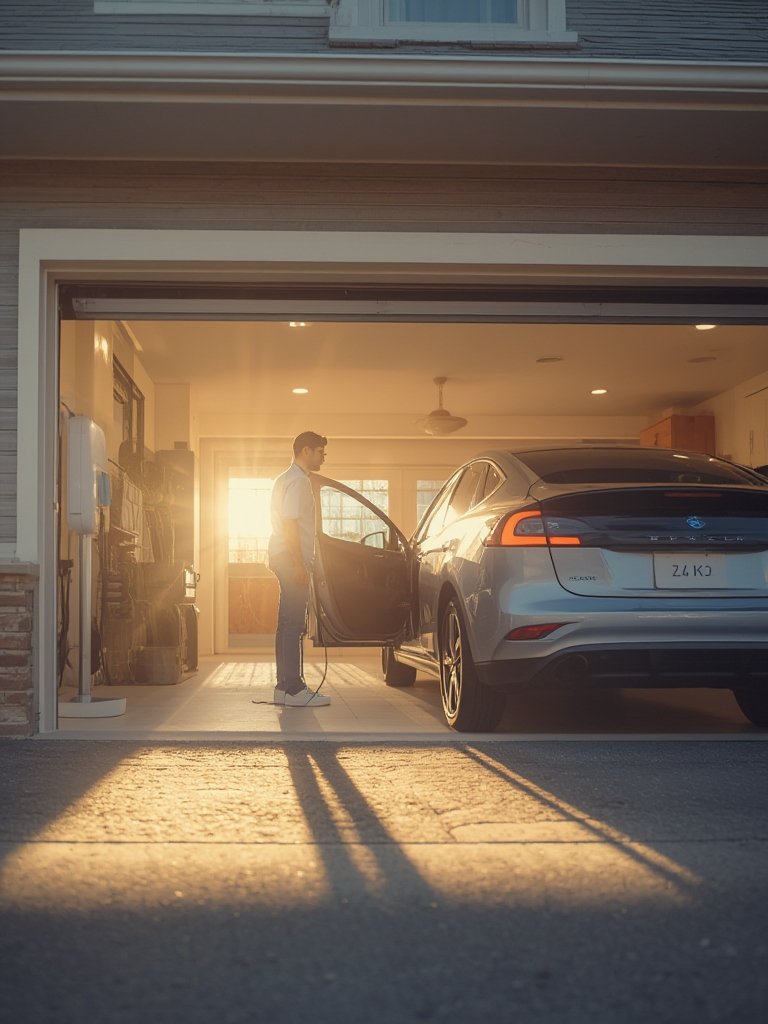
Home EV charger installation can speed up your daily EV charging and boost home value, but it’s rarely a one-size-fits-all experience. Real costs often exceed the simple estimates found online due to hidden panel upgrades, site quirks, and local permitting rules. For a successful project, plan for possible code, hardware, and wiring roadblocks. If you’re also considering a smart upgrade, see our insights on installing induction cooktops or combining a heat pump water heater with your next project. Ready to take the next step? Get a professional quote, size your install for tomorrow’s vehicles, and don’t forget to budget for permits. Your EV charger home installation will be smoother, safer, and more future-ready.
Take action today: Evaluate your electrical panel, research local requirements, and reach out to a qualified electrician for a detailed quote.
Frequently Asked Questions
How much does a Level 2 home EV charger installation cost on average in 2026?
Expect to pay $1,200–$2,500 total, which covers the charger, permit, electrician labor, and materials. Costs can rise up to $10,000 with panel upgrades or outdoor trenching. For full details, see this external cost breakdown.
Do I need to upgrade my electrical panel for a home EV charger?
Many older homes require a 200A panel for a dedicated 40A charger circuit. If your panel lacks room, upgrades cost $500–$2,000. Load management devices can reduce or postpone this expense. Learn more in our smart panel guide.
What are GFCI breaker issues with Level 2 EV chargers?
Plug-in Level 2 chargers sometimes cause GFCI breakers to trip unnecessarily, interrupting charging. Hardwired installs are more reliable for most homes and minimize this issue. More details at this EV charging guide.
Are permits required for EV charger home installation?
Yes, most cities in the US and Canada require an electrical permit—and sometimes a building permit—for any new 240V EV charger circuit or wiring modification. Permit fees average $310 but can vary a lot. Check local regulations first.
Is there any way to reduce the out-of-pocket cost of a home EV charger?
Check for local and utility rebates, tax credits, and federal incentives. These programs change often but can save you hundreds. If you’re upgrading to a heat pump water heater at the same time, additional savings may apply—see our complete guide for details.