


### Blog Post:
Color drenching paint technique is rapidly transforming how designers and DIYers rethink bedroom spaces, but it’s not all trend and no substance. There’s real science behind why drenching your walls, trim, and ceiling in a single hue can make a room feel bigger, calmer, or even more intimate. Yet, you need the right steps and hard-learned lessons if you want pro-level results—or to avoid the top complaints and regrets homeowners share after tackling color drenching for the first time.
Key Takeaways
- Color drenching visually expands or cocoons a room by coating walls, trim, and ceiling in one color—brightness, hue, and sheen all affect the outcome.
- Psychological studies show bright color drenching enlarges perceived space by up to 19 cm, while dark hues create intimacy but can feel confining if overdone.
- Success hinges on rigorous prep work, choosing compatible sheens for depth, and accounting for natural and artificial light—skipping any of these can sabotage results.
- The Core Concept: What Is Color Drenching?
- Step-by-Step Guide: How To Color Drench Like a Pro
- Advanced Analysis & Common Pitfalls
- Conclusion
- Frequently Asked Questions
The Core Concept: What Is Color Drenching?
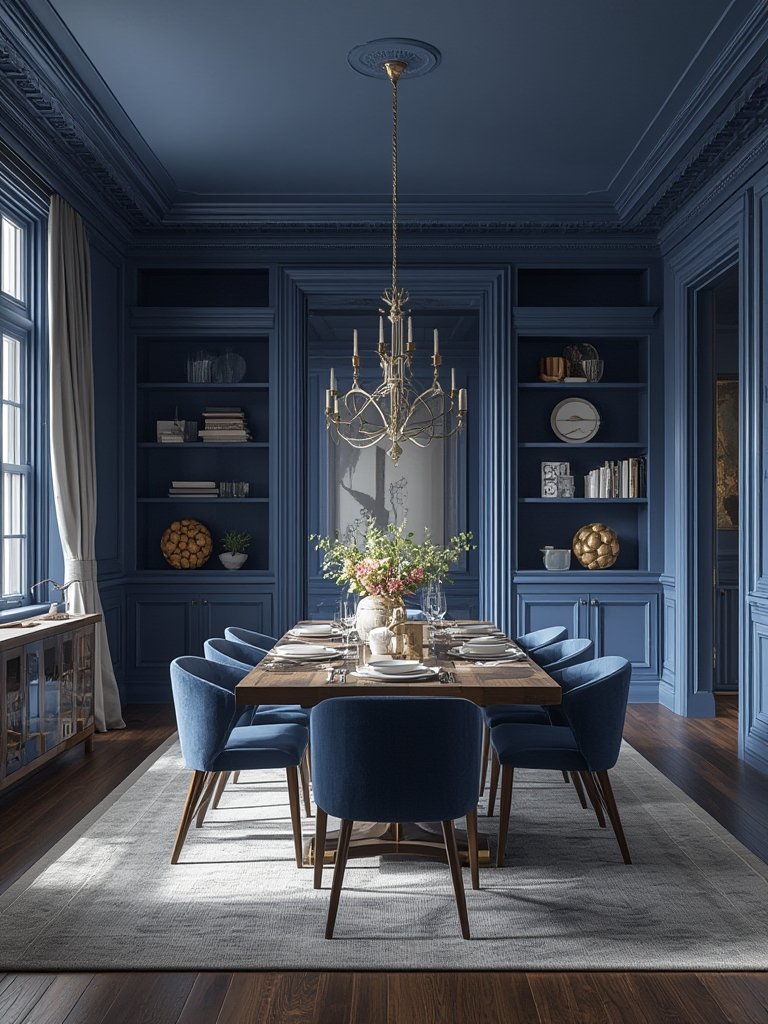
Color drenching is the technique of painting all major surfaces in a room—including walls, ceiling, trim, and sometimes even doors—the same color, usually in the same tone and saturation. The goal is visual continuity, erasing harsh lines and architectural contrast. This can create a seamless, soothing environment that often tricks the mind into seeing a room as bigger (when light and cool shades are used) or as a cozy, modern cocoon (when embracing deep or warm tones).
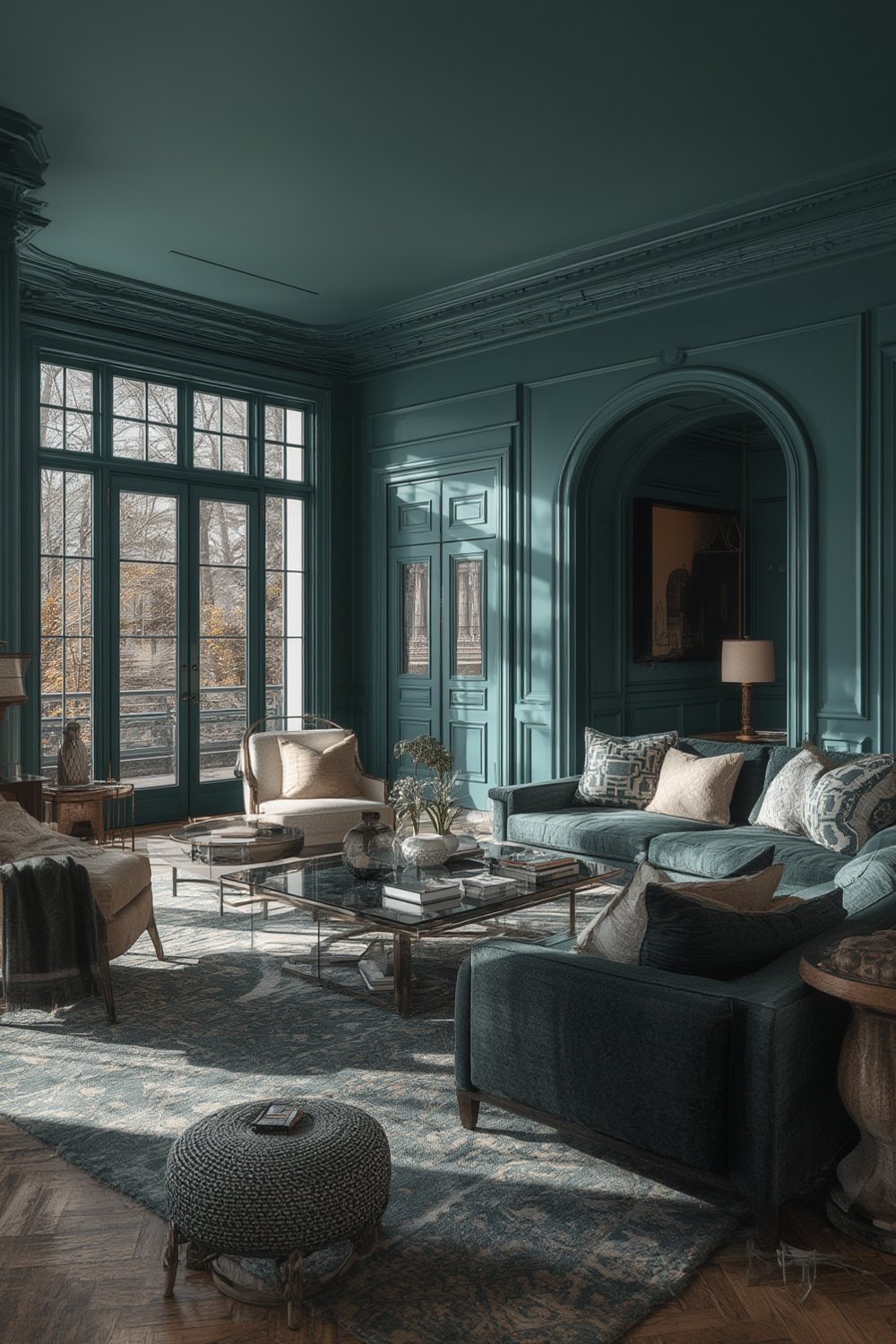
Recent research shows that drenching just the walls and ceiling in a bright hue can actually increase the perceived size of a room—participants underestimated room width by 14% and depth by nearly 40%, but brighter paints consistently reduced this effect, making rooms look up to 19 centimeters larger than reality. Cool shades like blue or green enhance the receding illusion for maximum spaciousness, while rich browns, rusty tones, or warm neutrals like those from Benjamin Moore (Tawny Rose, Gentle Cream) offer deep comfort and intimacy.
Unlike the accent wall, which focuses attention and intentionally distorts room proportions with contrast, color drenching offers calming unity. For bedrooms, this can be a dramatic (yet not overwhelming) way to achieve tranquility—and makes the space particularly forgiving for modern minimalist décor or tight urban footprints.
Step-by-Step Guide: How To Color Drench Like a Pro
Mastering the color drenching paint technique demands more preparation and care than a typical repaint. Here’s how professionals tackle it for results that last—and won’t leave you wishing you’d just stuck with plain white walls.
- Prep every surface equally. Start by thoroughly cleaning, patching, and sanding all walls, ceiling, and trim. Any imperfection gets magnified when it’s bathed in one continuous hue. Use painter’s tape for all lighting fixtures and floor baseboards.
- Prime for even absorption. Apply a high-quality primer that matches your eventual color depth (white for lights, grey or tinted for darks). Don’t skip this—uneven absorption or old wall stains will show through with drenching.
- Select the right color based on your room and goals. Want a bedroom to feel bigger and airier? Interior designers suggest off-whites, soft greens, blues, or pale taupes. For drama or coziness in large or uninviting bedrooms, try Benjamin Moore Tawny Rose, Gentle Cream, or a smoky brown. Buy all your paint at once.
- Choose sheens strategically. Use matte or eggshell for most walls and ceiling—both resist glare and enhance continuity. Go glossier (satin/semi-gloss) on trim if you want gentle highlights.
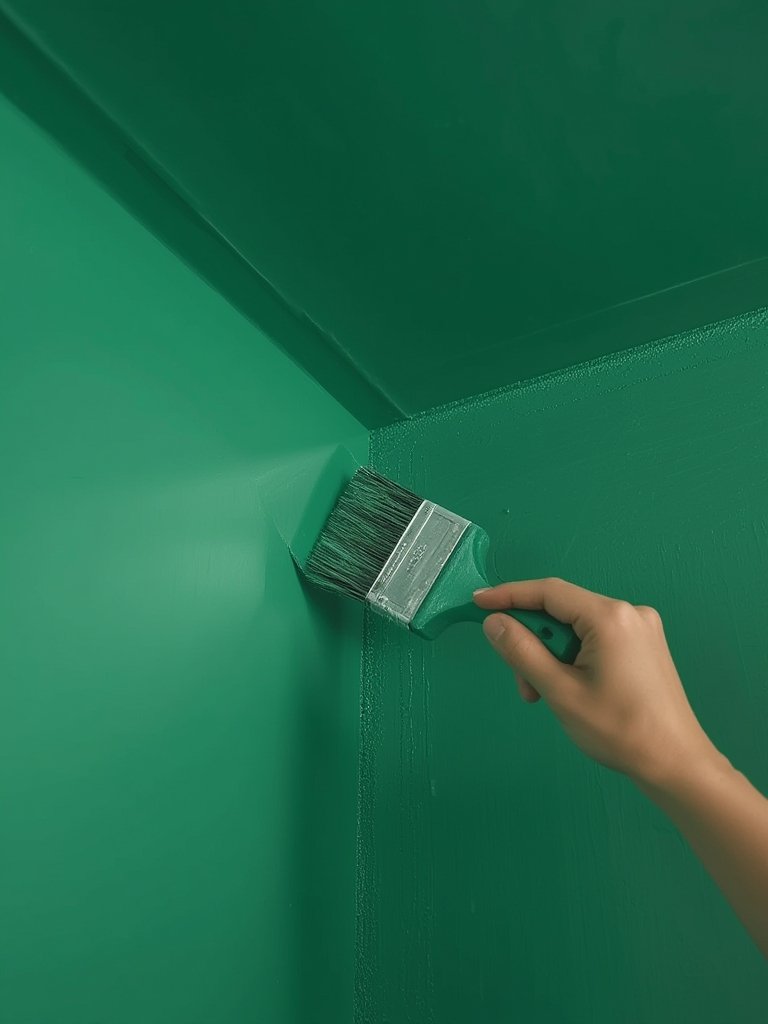
- Cut in edges, then roll surfaces. Always cut in with a brush at corners, ceiling junctions, doors, and trim, then use a roller for large expanses. Don’t switch products—ensure your brush and roller are both compatible with your chosen sheen.
- Paint ceiling and trim first. It’s often easier to tackle the ceiling and trim (including doors, window casings) first—then finish with the main wall surfaces for easier blending. Be sure each section is fully dry before proceeding or taping over for crisp edges.
- Apply multiple coats as needed. Most color-drench projects need at least two coats everywhere, since surface differences (plaster, old paint, MDF trim) absorb unevenly.
- Let cure and inspect under natural and artificial light. Look for missed spots or “flashing” where the paint’s texture or sheen shifts in certain lighting.
- Touch up carefully and remove all tape once the paint has fully set. Address any bleed-through or uneven lines immediately for the cleanest finish.
For more advanced DIY or contractor resources on home upgrades, see our detailed guide on cutting energy bills with a heat pump water heater and how DIY fluted wall panels can transform your living space on a budget.
Advanced Analysis & Common Pitfalls
The transformative effect of color drenching is backed by science, but it’s easy to overlook limitations and frustrations that crop up once the paint dries—especially in bedrooms and tight spaces. Here’s a closer look at real problems and mistakes to avoid.
Common Pitfalls and Regrettable Mistakes:
- Cramped or “boxed-in” feeling: Using deep/dark colors in tight bedrooms without sufficient natural or artificial light may make the room feel smaller and too immersive, as noted by leading design analysts.
- Trim and furnishing mismatch: If your furniture, bedding, or floors are high-contrast (e.g., bright white trim, dark floors, light walls), full drenching can exaggerate the visual break. You must consider the whole palette.
- Ceiling color mistakes: Painting a ceiling darker than the walls creates visual “compression”—but when the exact same tone is used, ceilings can feel either much higher or oddly low, depending on room proportions and luminance. (Studies show additive wall-ceiling brightness increases spatial perception, but hue has minimal effect.)
- Mismatched sheens: If you use high gloss everywhere, imperfections stand out dramatically. If you use full matte, trim might get dirty or pick up scuffs more quickly.
- Touch-up headaches: The more surfaces you drench, the more complicated matching touch-ups become, especially if paint ages or comes from different batches.
| Technique | Perceived Room Size | Mood Effect | Application Risk |
|---|---|---|---|
| Color Drenching (Light Tone) |
Up to +19cm perceived width/depth (source) | Airy, calming, unified | Drips, ceiling errors, hard to touch up |
| Color Drenching (Dark/Cocoon Tone) |
Smaller, more intimate; risk of over-enclosure | Cozy, modern, immersive | Shows streaks, absorbs light, limits décor |
| Accent Wall | Alters one dimension only | Energizing, dramatic focal point | More forgiving, contrast risk |
For rooms where energy efficiency or future-proofing are a concern, see insights from our article on future-proofing home EV charger installation as part of a total modernization plan.
Conclusion
The color drenching paint technique is scientifically proven to manipulate perceived room size, boost unity, and foster a calm or intimate bedroom retreat—if executed with attention to lighting, sheen, and whole-room color planning. Take prep, color selection, and application seriously, and you can create results beyond the capabilities of classic accent wall methods. Experiment, avoid the pitfalls, and enjoy your transformed sanctuary.
Ready to try the color drenching paint technique? Review your chosen color under real home lighting, prep with patience, and use the pro guidance above for long-lasting results. Want more design or efficiency tips? Learn how to cut utility bills with our IRA-eligible heat pump water heater guide or turn old garages into new living spaces with our ADU garage conversion walkthrough.
Frequently Asked Questions
What is the main purpose of the color drenching paint technique?
Color drenching uses a single shade for walls, trim, and ceiling to create a continuous, cohesive look that changes how big or cozy a room feels, depending on color choice.
Does color drenching work in small bedrooms?
Yes. Light or cool shades (off-white, blue, green) can make small bedrooms appear much larger and more open, while darker tones can cocoon the space for added intimacy. Careful planning and lighting are crucial.
How do you avoid a “closed-in” feeling with color drenching?
Choose light or mid-tones, maximize natural and artificial light, and use semi-gloss finishes on trim for highlighted contrast. Avoid deep, saturated colors in rooms with little daylight.
Can you use different sheens or finishes in color drenching?
Absolutely. Professionals recommend matte or eggshell for most walls and ceiling, plus a higher sheen like satin or semi-gloss on trim and doors for subtle architectural depth—and easier cleaning.
Will color drenching limit my future décor options?
It doesn’t have to! If you pick versatile base shades, you can easily refresh bedding, rugs, or art for a new look. The consistent background lets statement pieces pop.
—
[…] walls in serene colors, or use color drenching to enhance atmosphere […]
[…] moldings, and ceilings in subtle mushroom or beige. Learn how this technique shapes mood with the color drenching paint technique […]
[…] For next-level drama, paint everything: walls, crown, door frames, even your ceiling. This technique looks especially high-end with smooth, flat matte paint. See more about color drenching here. […]
[…] expensive color mistakes, and gives confidence to try bold new looks. For daring ideas like color drenching your walls or coordinating with fluted wall panel accents, seeing the result before you buy is a game […]