


Biophilic design ideas are transforming homes into spaces that nurture well-being, focus, and creativity—if you do it right. In 2024, new research connects these nature-inspired interiors to measurable mental, physical, and cognitive benefits. But most guides leave out crucial costs, real-world headaches, and step-by-step tips. This post cuts through the noise with evidence, actionable strategies, and honest truths about what actually works.
Key Takeaways
- Biophilic design features like living walls, natural light, and organic materials can reduce stress, boost mood, and sharpen focus at home.
- Installation and maintenance costs for greenery-based systems (especially living walls) can be higher and more complex than expected—planning ahead prevents costly surprises.
- It’s not just about the look: acoustic features, daylighting strategies, and user comfort are just as important as plants and wood surfaces.
- What Is Biophilic Design for Homes (and Why It Matters)
- Step-by-Step Guide: Bringing Biophilic Design Ideas to Life
- Advanced Analysis & Common Pitfalls
- Conclusion
- Frequently Asked Questions
What Is Biophilic Design for Homes (and Why It Matters)
Biophilic design is about weaving elements of nature into your living space—think sunlight, greenery, wood, stone, and even natural sounds. Modern science shows these aren’t just for looks. Homes with real, thoughtfully integrated biophilic features are linked to less stress, better mood, lower blood pressure, stronger immune function, and clearer thinking. Studies from 2024 suggest the right mix of views to nature, indoor plants, organic textures, and good light can even enhance how your brain copes with daily stress.
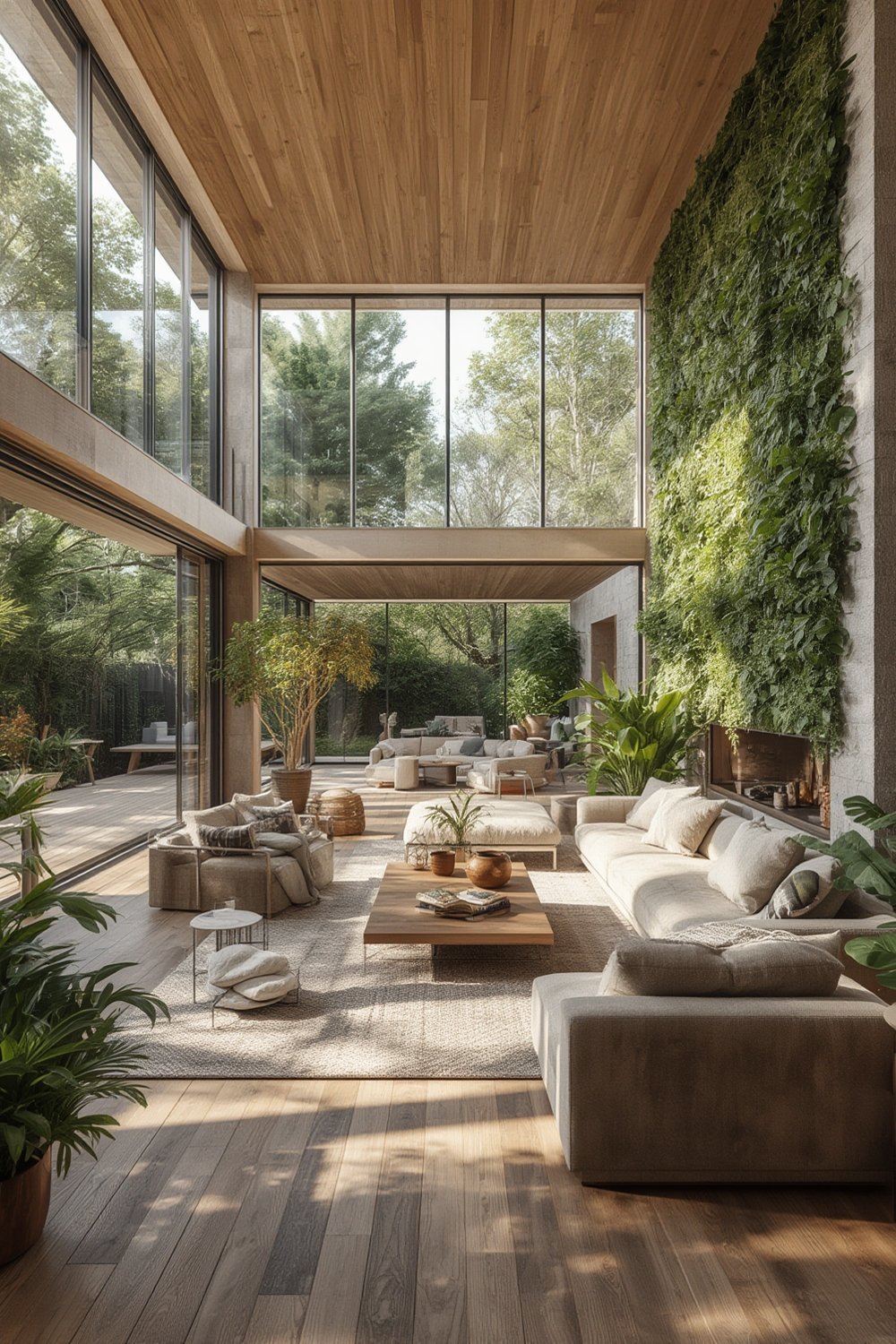
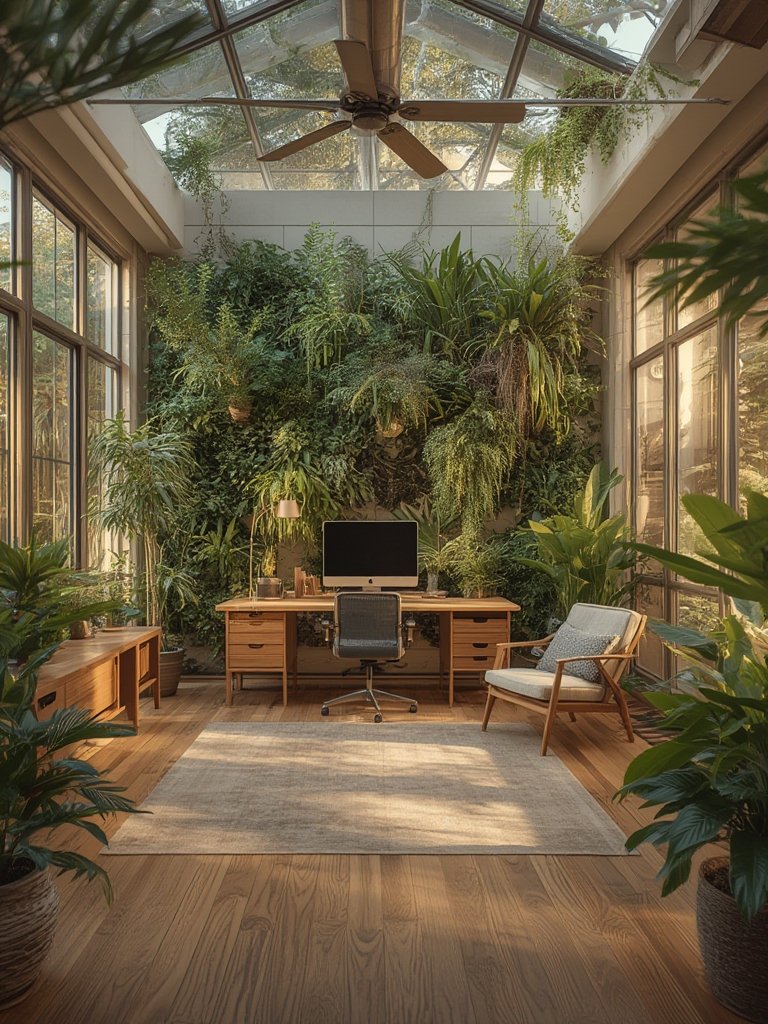
It’s more than filling a room with plants. Effective biophilic design layers in daylight, refuge and prospect (cozy nooks plus open views), safe feeling places, and healthy acoustics. If you work from home or manage family stress, these features may lift focus, creativity, and mental restoration by as much as 15 to 50% according to peer-reviewed neuroscience. The creativity boost with plant walls is real, but so are the practical design and upkeep hurdles.
In short, biophilic interiors are proven to help—but only if you combine natural elements with user-centered planning and honest conversations about cost and maintenance.
Step-by-Step Guide: Bringing Biophilic Design Ideas to Life
-
Start with Light and Views
Maximize natural light where you spend time: living room, bedroom, and especially any home office zone. If your layout is deep or chopped up, use high-reflectance paint and glass transoms to bounce light inward. For north-facing or internal spaces, consider solar tubes or well-placed mirrors. Even moving a desk or reading chair close to a window can deliver physiological benefits. -
Layer in Indoor Greenery and Living Walls
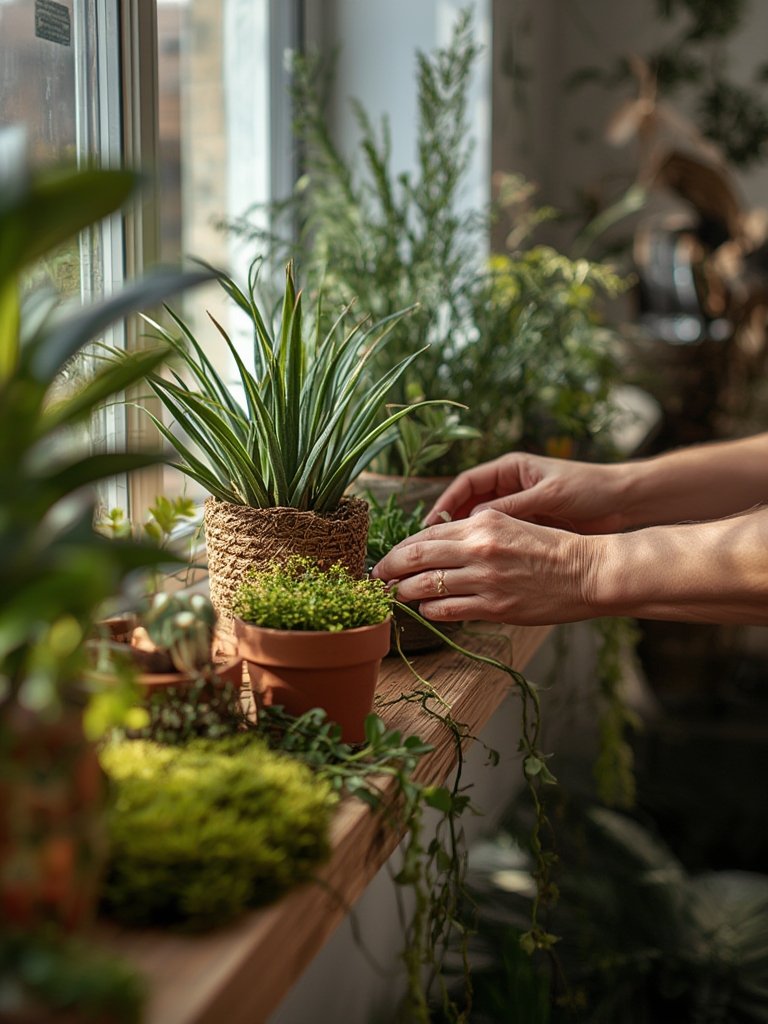
Decide on your level of plant ambition. Regular potted plants (with a mix of leaf shapes and heights) add both beauty and clean air, but living walls make a statement—and demand planning. Choose system type (panel/tray, pocket/felt, hydroponic, or preserved moss). Get a lighting and moisture plan before installing. -
Integrate Natural Materials in Touch Zones
Replace or overlay synthetic and cold surfaces with tactile woods, stone, cork, or plant fibers where you sit, lean, or walk. FSC-wood, stone with honed finishes, and organic textiles have lasting durability if selected wisely. Avoid high-VOC or questionable sourcing for both health and planet reasons. -
Don’t Neglect Acoustics
Natural doesn’t mean noisy. Use rugs, fiber wall panels, soft upholstery, and plant groupings to dampen echoes. Water features or recorded soundtracks of nature (not just “white noise”) help mask traffic or appliance hum. -
Create Refuge and Prospect Zones
Design small, protected corners (window seats with overhead covers, reading nooks with soft lighting) for ‘refuge’, and keep main living areas bright and open for ‘prospect’. It helps the brain shift between relaxation and alertness—key features of advanced biophilic planning.
-
Add greenery the right way: For feature walls, pocket/felt kits run $1,200–$3,000, while modular trays or hydroponic living walls often cost more than $5,000 for medium sizes, with annual upkeep from $400 to $1,500.
Hidden cost: Don’t forget waterproofing or electrical/plumbing prep — extra labor averages another $500–$2,500 per wall. - Work with what you own: If a full wall isn’t feasible, cluster tall and trailing plants near windows and use natural woven baskets, rattan chairs, or wool throws for layered biophilic texture. Pair new organic pieces with thrifted timber furniture for sustainability and character.
- Upgrade light quality with fluted wood panels or slats. They’re trending for a reason—diffusing light while adding texture and rhythm for a calmer visual flow.
- Consider scent and air: Choose natural, VOC-free finishes and monitor air quality if bringing in lots of new organic materials—see guide on home air quality monitors.
Sample One-Day Biophilic Refresh
- Move reading chair under a window; clean and open shades fully.
- Group three sizes of potted greenery (e.g., fiddle leaf, fern, pothos) in a bright zone.
- Swap out a synthetic rug for a natural sisal or wool washable rug—see more at washable rug living room.
- Add a small bubbling desktop fountain for acoustic interest.
- Test a daylight-simulating smart light in workspaces set to mimic circadian cycles.
Want advanced upgrades? For daylight optimization, consider professional window enhancements or solar tube installs. And for a full nature experience, modular backyard and sunroom builds can provide dedicated biophilic zones—more on that in our ADU garage conversion guide.
Advanced Analysis & Common Pitfalls
Bringing biophilic design ideas to life has proven benefits, but the devil is in the details. Here’s what research-backed experience and homeowner case studies warn to look out for:
Common Pitfalls and How to Avoid Them
| Feature | Typical Challenges | How to Avoid or Fix |
|---|---|---|
| Living Walls | Underestimated maintenance; plant deaths; pest outbreaks; water leaks; high setup and annual costs | Choose systems with accessible irrigation/drainage, plan for contract maintenance, and install leak sensors. Opt for preserved walls if you travel or want zero watering. |
| Natural Materials | Allergies (from fibers, finishes), high upfront cost on quality wood/stone, color fading, or wear in poor locations | Pick FSC or low-VOC-certified products; use stone and hard fibers in high-traffic areas, preserve wood finishes from direct sun, and source regionally to lower both carbon and costs. |
| Daylighting | Glare, overheating, or poor light in deep rooms; energy use for supplemental lights in winter | Apply window films, install low-sill windows or skylights, and leverage reflective surfaces. Autosensor dimmers cut wasted energy—explained in our smart electrical panel upgrade guide. |
| Acoustics | Nature-inspired visuals with discordant noise (e.g., urban traffic), missing sound absorption | Pair plants with woven wall panels, textured ceilings, and soft rugs. Add water features only where drainage is safe and noise isn’t intrusive. |
| Cost Overruns | Hidden costs for wall prep, plumbing/electric, plant replacements | Get itemized quotes; read the fine print for what’s included in plant warranties and maintenance contracts. See our full guide on the costs of exterior projects for budgeting strategies. |
Natural Material Trends to Watch
- Solid woods (especially regional/FSC) for slats, ceilings, and shelving
- Stone, terrazzo, and clay for high-touch surfaces and wall finishes
- Rattan and jute in accent furniture, acoustic baffles, and lighting
- Mycelium, cork, or bio-composite new products for low-impact, fast-renewal decor
- Preserved moss wall art and feature panels—durable, vivid for 7–10 years with no watering
Many of these combine well with color-drenching techniques—one coat on walls and ceilings, but with rich, nature-inspired tones to frame biophilic materials.
Human Experience Issues
- “Low-maintenance” is relative: Most green walls require real garden care, and many owners are surprised by pest/mold risk and repair expenses.
- Upkeep mess is real: Even basic plant groupings mean soil spills, dropped leaves, and sometimes extra cleaning—especially with pets or allergy-prone people.
- Energy use trade-off: Grow lights, water features, and ventilation to prevent mold can increase utility bills. If this is a concern, consider smarter upgrades like heat pump water heaters or whole-home generators for peace of mind.
Conclusion
Biophilic design ideas are about more than trendy greenery—they’re a science-backed investment in daily wellness, cognitive health, and the future value of your home. Whether you start small with natural light and a few tactile upgrades or go big with a living wall, ensure you’re prepared for the realities of maintenance, cost, and the right mix of features for your real life.
Want your home to feel less like a box and more like a living, inspiring refuge? Start integrating biophilic design ideas with the practical steps above—and use our linked resources for best results. Ready to upgrade? Act now: choose your first biophilic feature and commit to one change this week—and watch the mood in your home shift.
Frequently Asked Questions
Is biophilic design expensive to implement at home?
It depends on scope. Simple upgrades like more daylight, a few large plants, or natural fiber rugs are low-cost. Installing a living wall typically costs $1,200–$8,000+ (with higher costs for large or advanced systems) and annual maintenance averages 10–20% of install price. Plan for hidden costs like wall prep, irrigation, and replacements.
Do biophilic design features really improve health or are they just aesthetic?
Research shows that natural light, greenery, and organic materials in homes can reduce stress, improve attention, support creativity, and even assist immune function. The benefits go beyond looks—see this 2024 review for specifics.
What if I have pets or allergies—can I still use biophilic design ideas?
Yes, but choose non-toxic, pet-safe plants and be careful with pollen-producers. For sensitive households, preserved moss walls and FSC-certified wood or stone decor offer biophilia benefits with minimal allergy or mess risk.
What’s the best way to maximize daylight in a dark apartment?
Use high-reflectance ceiling and wall paints, open up interior doors, and add mirrors. Consider solar tubes or skylights for deep interior rooms. Light-colored flooring and reflective finishes help bounce daylight, reducing the need for artificial lighting.
What’s a commonly overlooked biophilic feature in homes?
Acoustics: integrating natural sounds (like water features or sound-absorbing panels made of plant fibers) is overlooked but strongly impacts stress reduction. Creating zones of refuge and prospect is another key concept for true psychological comfort.