


ADU garage conversion is quickly becoming one of the most in-demand ways homeowners maximize property value and unlock extra income or living space. As city zoning rules evolve and housing markets tighten, converting a garage into a legal accessory dwelling unit (ADU) offers big upside and equally big challenges. Here’s how to do it right in 2024—costs, common pitfalls, actionable steps, and what competitor blogs are missing.
Key Takeaways
- Garage-to-ADU conversion costs swing wildly by city, garage size, and whether you need new utility lines—budgeting realistically means going deeper than average national figures.
- Legal and permit processes are generally faster for existing garages, but pre-construction costs and zoning surprises still catch many homeowners off guard.
- ADU conversions regularly boost property value by 20–30% and can yield rental incomes of $1,200–$3,000 per month in competitive markets.
- The Core Concept: What Is an ADU Garage Conversion (and Why Do One)?
- Step-by-Step Guide: How to Convert Your Garage Into a Legal ADU in 2024
- Advanced Analysis & Common Pitfalls: What Most Homeowners Miss
- Conclusion: Should You Pursue an ADU Garage Conversion?
- Frequently Asked Questions
The Core Concept: What Is an ADU Garage Conversion (and Why Do One)?
An ADU garage conversion turns an existing attached or detached garage into a fully permitted, self-contained living unit. This new space can legally house renters, family members, or serve as flexible living quarters—think rental studio, guest suite, or even a home office. Why are more homeowners investing in this strategy?
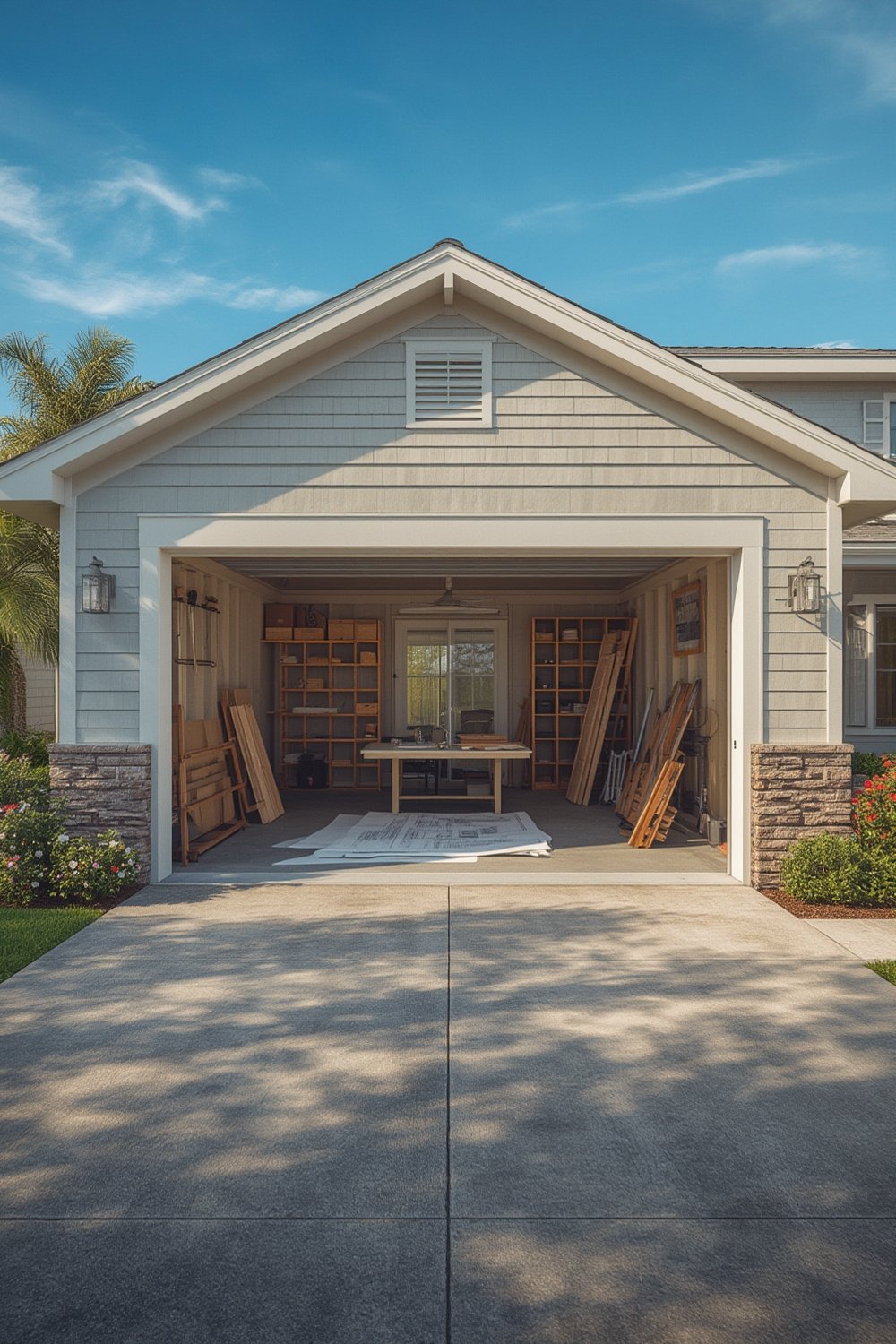
Demand for affordable housing is soaring in cities like Los Angeles, Austin, and throughout the Bay Area, making ADU conversions a practical way to generate rental income ($1,200–$3,000/month typical in high-demand locations, per ADU West Coast) or boost property value by as much as 20–30% (Angi).
The process seems simple, but costs, permits, legalities, and design choices are loaded with surprises. Still, for most homeowners with underutilized garages, a conversion can be a smart investment—if you know what you’re getting into.
Step-by-Step Guide: How to Convert Your Garage Into a Legal ADU in 2024
Becoming an ADU landlord or expanding your living space isn’t just a weekend DIY. Here’s how to succeed, step by step:
-
Start with a Reality Check on Local Costs
Garage conversions average $110,000 nationally, but real totals shift by state and city. In 2024, examples:- Southern California: $140,000+ entry, Bay Area: $160,000+ (Levi Construction).
- Texas: $102,000 average.
- New York: $136,000; Georgia: $101,000.
- One-car: $36,000–$96,000; Two-car: $45,000–$120,000; Three-car: $75,000–$225,000 (Angi).
This doesn’t include special site conditions, hidden damage, or high-end finishes. Want more details on building energy-smart? See our heat pump water heaters guide for info on slashing utility bills in a new ADU.
-
Confirm Zoning and Permit Requirements
Approval times are often faster for conversions compared to new builds (e.g., 60 days in much of California [source]), but every city has quirks. Permit/plan/impact fees range $1,200–$5,000 or more, and there may be added design reviews or historical district hurdles. -
Design Your ADU for Maximum Utility
Smaller garages (like single-car) can be tough to fit full kitchens and baths, especially if your city enforces minimum ceiling heights or new egress rules. No one-size-fits-all: prioritize windows and accessibility, especially if you may rent to seniors. For design inspiration, use the “functional layout” principle—cluster wet rooms, avoid hallways, and opt for built-in storage. Want modern, energy-efficient upgrades? Check out smart electrical panels and panel upgrade tips. -
Estimate True Build Costs and Prep Expenses
Many forget to figure in the real cost of garage prep: removing old doors, patching concrete, roof repair, drainage corrections, and sometimes floor leveling. These can add thousands before you even start main construction. -
Plan for Utility Upgrades
For detached garages, expect 20–30% added cost due to new underground utility trenches for plumbing, HVAC, and electrical lines (Maxable Space). Sometimes your main service panel won’t handle the additional electric load—consider a smart electrical panel upgrade before ADU occupancy. -
Execute with Reliability: Hire the Right Contractor
Labor is 40–60% of project cost, and there’s a shortage of reliable ADU pros in many markets. Always screen for ADU experience (not just remodels), confirm licensing, and get city approvals before demolition starts. -
Final Inspection and Compliance
Be prepared for multiple inspections—building, electrical, plumbing—and possible rework if anything is substandard or not fully up to code. Some utilities may also want separate meters or require energy calculations, especially in green-focused cities.
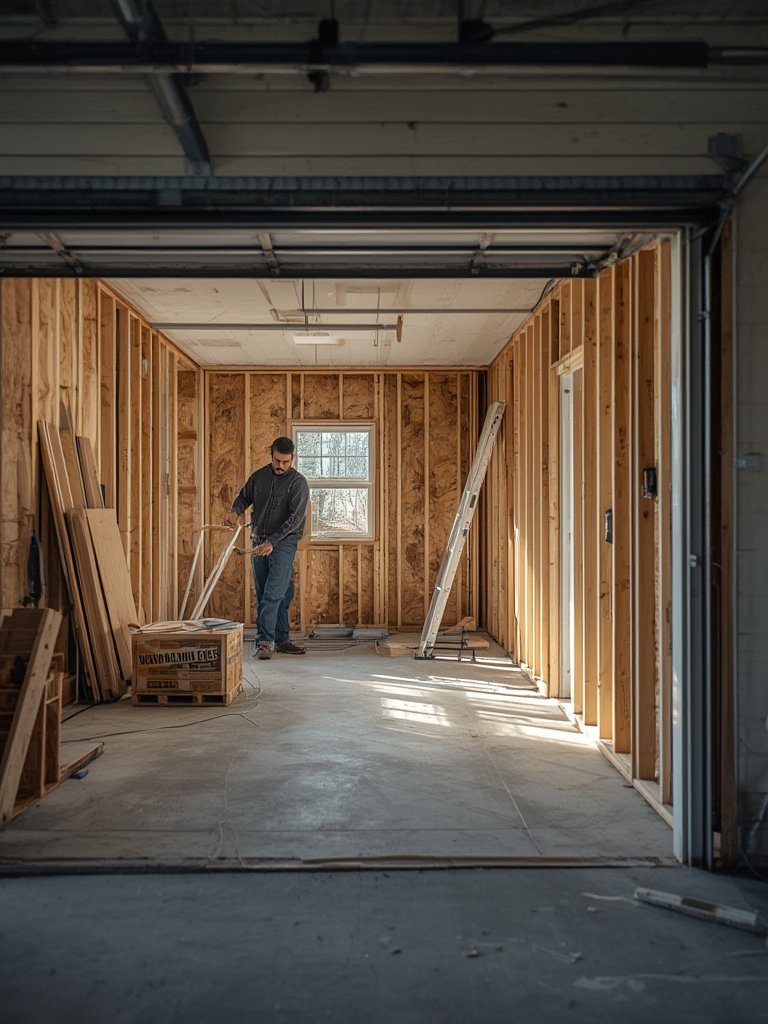
For those thinking about simultaneous upgrades—like EV charger installation or an energy-efficient hot water system—you can often save by planning all your electrical updates together. Here’s a guide on future-proofing your home EV charger installation and how to maximize water heater rebates in an ADU.
Advanced Analysis & Common Pitfalls: What Most Homeowners Miss
Data shows most ADU garage conversion projects run over budget or get delayed not because of construction mistakes, but due to underestimating three critical variables:
- Location-Specific Costs: Most articles list a national average, but real-world bids can be $60,000 apart within the same state (Bay Area $160k vs. SoCal $140k). Permits and labor, especially in high-demand metro zones, drive totals much higher.
- Detached vs. Attached Utility Complexity: Detached conversions can balloon due to new underground utility lines, costing 20–30% more than attached options.
- Overlooked Pre-Construction Expenses: Damage repair, slab/roof work, drainage corrections, and even hazardous material abatement get short shrift in many budgets. A simple door removal or main electrical panel upgrade can derail timelines. (Get clarity on panel upgrades here.)
| Factor | Attached Garage | Detached Garage |
|---|---|---|
| Utility Connection Costs | Lower, taps into main house | 20–30% higher, requires new underground lines |
| Permit/Plan Timeline | Usually faster (existing footprint) | May require special review |
| Prep/Repair Surprises | Common, but often less severe | Drainage and slab work more likely |
| Resale/Rental Value | Good, often integrated with main home | Excellent privacy, but higher build cost |
Other pitfalls include:
- Assuming your garage floor, slab, or roof is “move-in ready”—many need major upgrades.
- Ignoring city or HOA rules about parking loss or street parking, especially in denser neighborhoods.
- Designing for “maximum square feet” instead of “maximum livability”—try fluted wall panels (find modern DIY inspiration here) or smart storage solutions.
- Making costly HVAC or hot water choices. Consider heat pump water heaters to keep future energy bills in check.
Conclusion: Should You Pursue an ADU Garage Conversion?
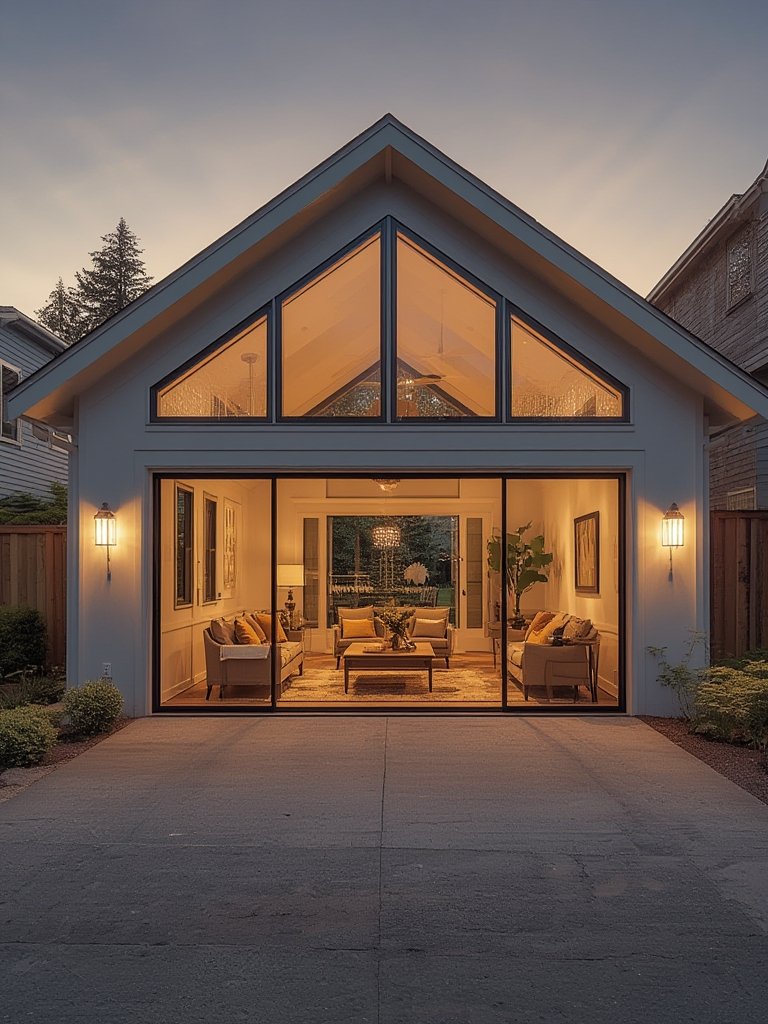
When executed with accurate local cost data and smart design, an ADU garage conversion can yield rental income, property appreciation, and valuable extra space—sometimes all at once. Still, the key is to get granular about prep costs, permit timelines, and utility obstacles upfront. Want to maximize your ROI? Start with a pro feasibility consult, plan for unknowns, and upgrade key house systems while you’re at it. Don’t forget to read our guides on future-proofing EV chargers or cutting energy bills with heat pump water heaters if your conversion overlaps with electrical upgrades.
Ready to start your own ADU garage conversion? Consult your city’s planning office and price out local contractors today—success starts with knowledge!
Frequently Asked Questions
How much does an ADU garage conversion cost in California, Texas, or New York?
It depends on city, garage size, and prep work. In 2024, expect $115,000–$160,000 in California, $102,000 in Texas, and $136,000 in New York. Detached garages in all markets can run 20–30% higher due to utility costs. [Source]
What kind of permits are needed for an ADU garage conversion?
Most cities require a building permit, separate permits for plumbing/electrical/HVAC, and sometimes site/impact fees. Some cities (like many in California) offer expedited review for conversions, but not for new builds. Always confirm with your local planning office.
What are the biggest hidden costs when converting a garage into an ADU?
Garage door removal, slab and roof repair, drainage or foundation fixes, hazardous material abatement, and especially new utility trenches for detached garages. Budget at least 10–15% extra for these surprises.
Can I rent out my ADU garage conversion right away?
Usually yes, but only after passing final inspections and getting a certificate of occupancy. Some cities have additional parking or short-term rental restrictions for ADUs, so double-check all local regulations first.
Do garage ADUs really increase property value?
In most urban areas, yes—ADU conversions can raise property values by 20–30% and net higher sales prices (sometimes up to 35% more) versus homes without legal ADUs (ADU West Coast). Actual impact depends on your neighborhood and rental demand.
[…] and rental income opportunities. For many, an ADU offers a pathway to multigenerational living, garage conversion for rental income, or the flexibility to age in place […]
[…] using a paint matching app, consider upgrades like garage-to-ADU conversions for extra space, organic modern design, or LVP flooring installation to complete your home […]