


Washable rug options are transforming how people maintain comfortable, stylish floors—especially for busy homes with pets, kids, or heavy foot traffic.
Key Takeaways
- Washable rugs blend easy maintenance with modern design, making them ideal for active households.
- Factors like rug size, fiber type, and washing machine compatibility determine the best washable rug for your needs.
- Sustainability, hypoallergenic features, and functionality are becoming key criteria in today’s washable rug selections.
- What Is a Washable Rug and Why It Matters
- How to Choose and Maintain a Washable Rug
- Advanced Analysis and Common Pitfalls
- Conclusion
- Frequently Asked Questions
What Is a Washable Rug and Why It Matters
A washable rug is a floor covering designed to withstand residential washing machines. Unlike traditional area rugs, which usually require professional cleaning, washable rugs are crafted for repeated home laundering without losing their shape, color, or texture. This advancement addresses a central pain point: the difficulty and high cost of keeping rugs clean in active environments.
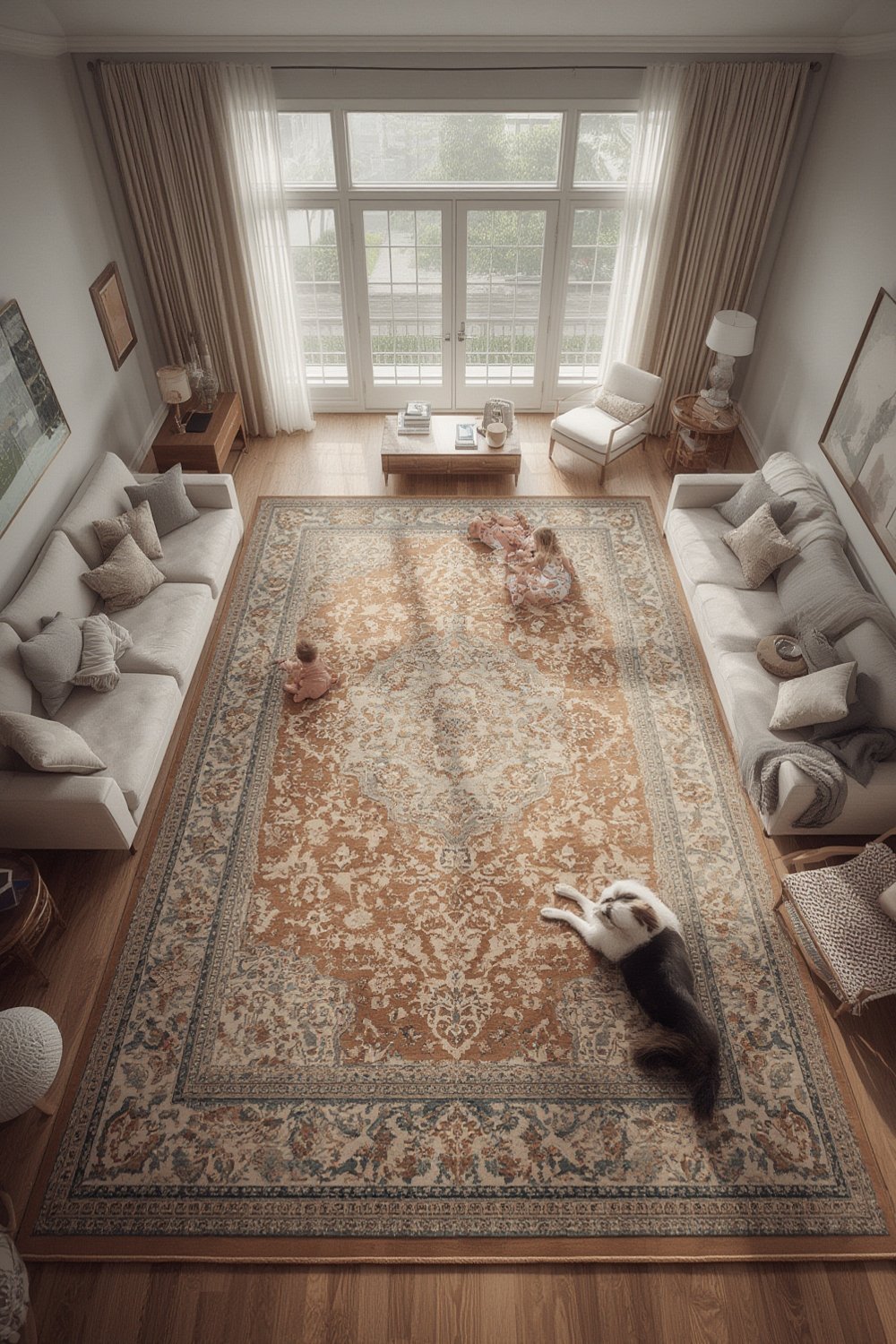
Their popularity has grown in parallel with the rising use of hardwood, LVP, and other hard flooring surfaces, where rugs are both a style element and a practical comfort layer. Machine washable area rugs are ideal in high-spill zones like kitchens and dining rooms, or high-traffic paths such as hallways and living rooms—a trend further detailed in our living room washable rug guide.
From a market perspective, the global carpet and rugs industry is valued at more than $49 billion, with strong projected growth driven by innovations like stain-resistant and easily laundered products. Consumers now expect practical solutions, not just pretty patterns.
How to Choose and Maintain a Washable Rug
Selecting the right washable rug involves more than picking a pattern you like. Here’s a data-driven, actionable process any homeowner can follow for lasting results:
- Assess Your Traffic Zones: Entrance areas, hallways, dining zones, and kitchens benefit most from an easy-clean rug. Consider a runner rug for long passageways. Alternatively, place a washable rug under a dining table to protect floors from spills (learn more).
- Check Fiber and Backing: Most are made with synthetic fibers (like polyester or nylon) for stain-resistance, though some premium options use recycled fibers. Look for non-slip backing or use a dedicated rug pad to avoid shifting—similar to techniques described in our home gym flooring guide.
- Verify Machine Compatibility: Confirm the rug’s care label allows machine washing and drying. Large area rugs (8×10 or bigger) may not fit in residential washers, so check dimensions before buying.
- Prioritize Sustainability and Safety: Seek out rugs using recycled fibers, natural dyes, or low-VOC materials as highlighted by recent industry research. Hypoallergenic and eco-friendly options are growing in availability but often at a higher price.
- Routine Maintenance: Always shake out debris before washing. Wash in cold water with mild detergent—avoid bleach unless manufacturer-approved. Line dry if possible to prolong the backing’s life. For major accidents, pre-treat stains before tossing the rug in the machine.
- Style and Sizing Tips: For open-plan spaces, layering multiple washable rugs in similar hues can echo the color drenching paint technique for a modern designer effect. In bedrooms, try soft, plush washable rugs to combine comfort and practicality.
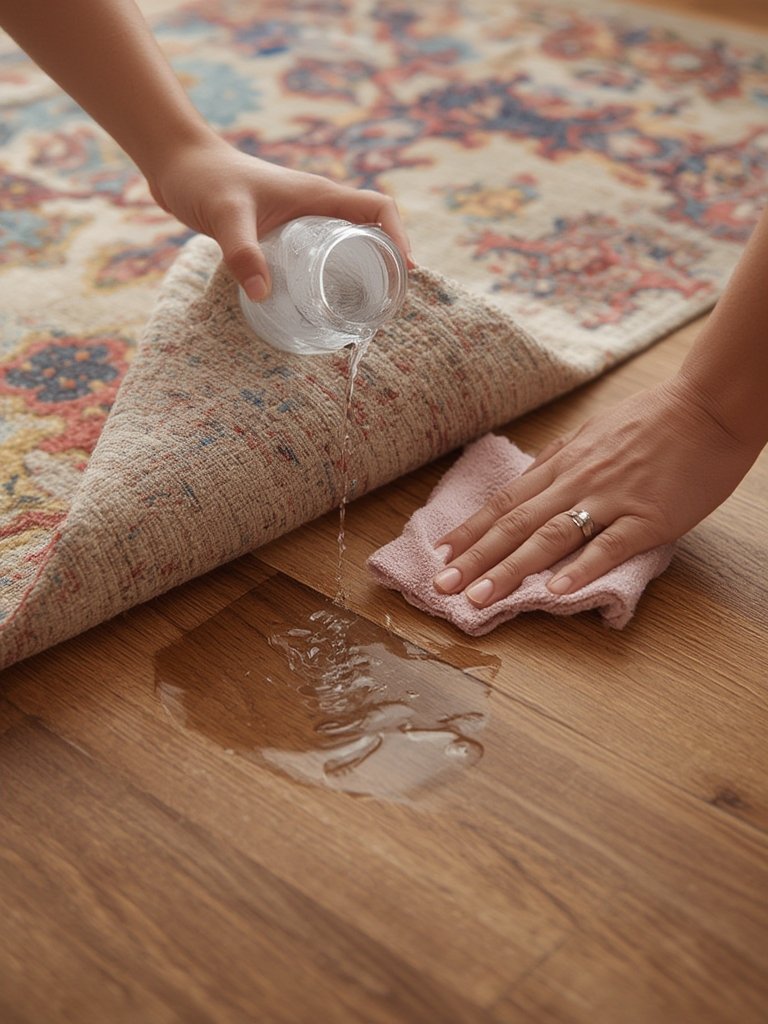
By sticking to these steps, you’ll avoid most common cleaning and fit issues, saving time and money in the long run. For more on how flooring choices impact home energy use, be sure to see our tips on heat pump water heaters and efficient upgrades.
Advanced Analysis and Common Pitfalls
While washable rugs offer big advantages, they’re not flawless. Here are the key issues and advanced tips to avoid disappointment:
- Machine Capacity Limits: Oversized rugs often don’t truly fit in most washers, even if marketed as “machine washable.” This can result in incomplete cleaning or machine stress.
- Fiber Shedding and Fading: Lower-cost washable rugs may lose pile or color after repeated washes. Look for products that are “solution-dyed” or use higher-denier fibers, as cited by industry trend reports.
- Drying Time: Thicker rugs can take over 24 hours to air dry—leading to mildew if not properly managed. Use short washing cycles and shake out excess water before drying.
- Cost vs. Value: Upfront pricing for washable rugs can be higher than traditional area rugs, especially for certified eco-friendly models. However, ongoing savings in professional cleaning and longevity often offset the initial cost.
| Traditional Area Rug | Washable Rug |
|---|---|
| Usually spot clean or requires expensive professional washing | Home laundering in standard washing machine |
| May use wool, silk, or viscose (less resilient to stains) | Synthetic or recycled fibers, stain and water resistant |
| Reusable for years—only if maintained professionally | Practical in high-traffic, pet-friendly homes |
| Generally not eco-certified | Eco options more available (but at a premium) |
| Can fade/shrink if washed at home | Engineered for repeat washing, reduced fading |
| Higher maintenance costs per year | Lower total cost of ownership over 3-5 years |
One area researchers and brands overlook is the long-term health of rug backing and adhesives. Repeated hot-water washes may eventually degrade some glues or foams, which can lead to rug curling or loss of grip—especially on thin LVP or hardwood floors. Rotate your rug regularly and use low-heat cycles to prolong life.
For those modernizing multiple rooms, combining washable rugs with other upgrades—like a DIY fluted wall panel or smart electrical panel—can transform style while still supporting function and cleanliness.

Conclusion
Washable area rugs stand at the intersection of convenience, design, and new sustainability demands. They provide cost-effective and practical solutions—especially in homes with pets, kids, or allergy concerns—but come with caveats about fit, longevity, and upfront price. Selecting the right washable rug means weighing features like washing compatibility, eco-credentials, and your unique style needs. Ready to upgrade? Shop smart and see how a washable rug can instantly refresh your space while making cleaning dramatically easier. Start your transformation now.
Frequently Asked Questions
Are all washable rugs really machine washable?
No. While many are marketed as machine washable, always check the rug’s tag. Some extra-large or specialty rugs may only be suitable for professional cleaning or spot washing due to size or material limits.
How often should I wash a washable rug?
For high-traffic areas, monthly washing is typical. Rugs in low-traffic bedrooms may only need cleaning every season unless there are visible stains or odors.
What’s the biggest downside to washable rugs?
Larger washable rugs can be difficult to fit in standard home washers, and repeated machine drying can shorten their lifespan. Check your washer’s capacity before purchasing.
Are washable rugs safe for homes with allergies?
Often, yes—especially models made with hypoallergenic or low-VOC materials. Regular, thorough washing also removes common allergens. Look for specific certifications if you have acute sensitivities.
Do washable rugs work on luxury vinyl, hardwood, or tile floors?
Yes, but always use a quality rug pad or select a rug with non-slip backing to avoid shifting. This also protects underlying floors from scratches.