


Whole home generator cost is one of the most important factors homeowners consider when planning to protect their house from power outages. If you’re researching generator prices, installation fees, or maintenance expenses, this guide delivers blunt truths, cost breakdowns, and insider strategies—no sales hype, just facts and actionable steps.
Key Takeaways
- Installed whole home generator cost typically ranges from $6,000 to $25,000, depending on size, fuel type, labor complexity, and permitting.
- Hidden costs after installation include ongoing maintenance, fuel supply for propane systems, and periodic testing or inspections.
- Critical details like permit requirements, wiring integration, and weatherproofing are rarely addressed in depth—but are essential for a successful project.
- What Whole Home Generator Cost Really Means
- Step-by-Step Guide: Budgeting For Total Generator Cost
- Advanced Analysis & Common Pitfalls
- Conclusion
- Frequently Asked Questions
What Whole Home Generator Cost Really Means
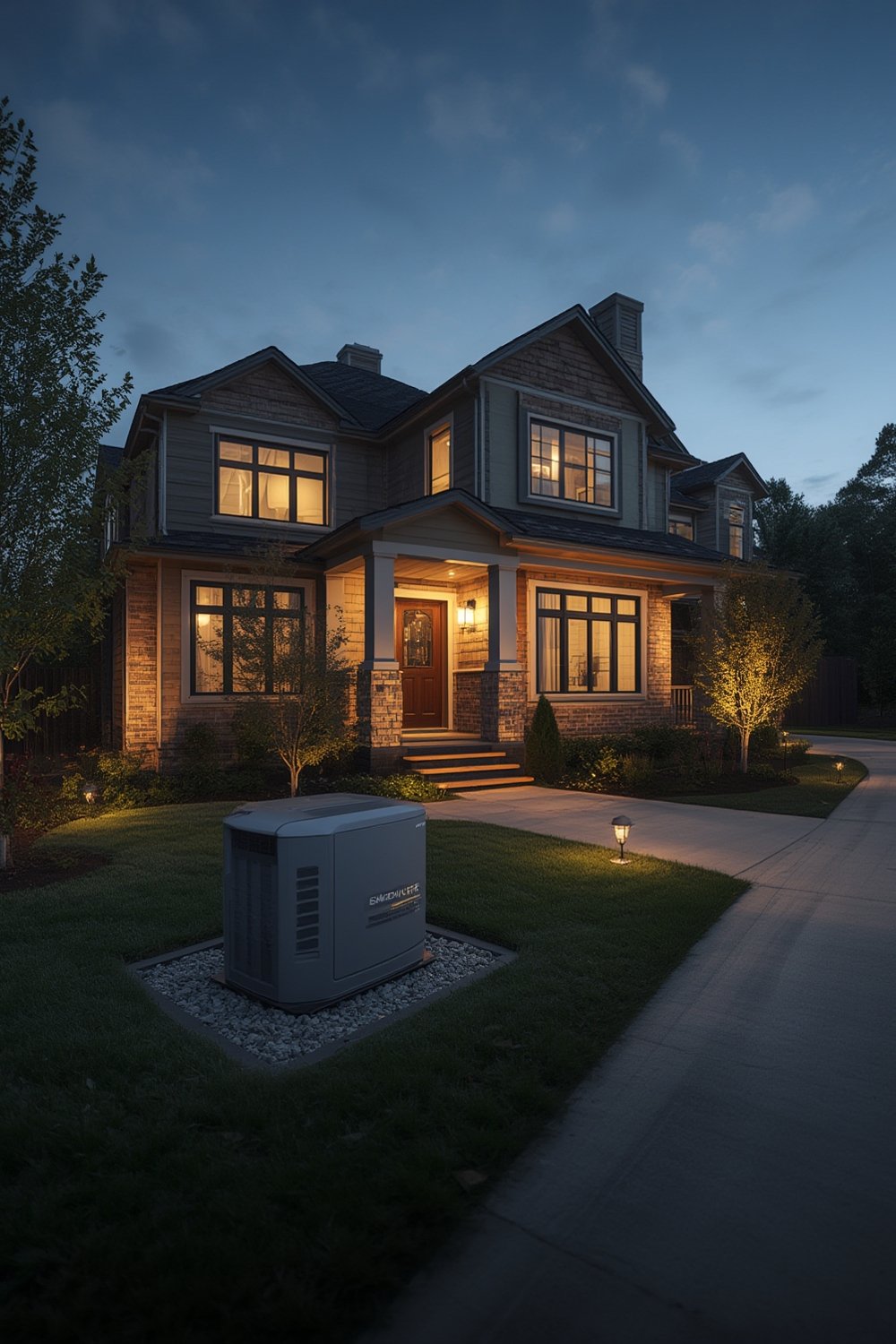
Whole home generator systems are not one-size-fits-all. “Cost” isn’t just the sticker price of the unit—you need to plan for installation, permits, transfer switch, fuel setup, and potential wiring integration with your main panel. Most modern homes require 15–26 kW standby generators to safely power essentials plus HVAC and appliances. Standard installed price, including generator and labor, starts around $6,000 and often lands between $11,000–$19,000, but can easily reach $25,000 or more if your home is large or your installation is unusually complex.
Fuel type affects both up-front and ongoing expenses. Natural gas generators cost about $3,000–$6,000 for the unit and tie into your existing gas line—no refueling, but requires professional hookup. Propane models run slightly cheaper but require a tank, and fuel delivery costs can add up over time.
To see real installation timelines, see our whole home generator installation breakdown.
Step-by-Step Guide: Budgeting For Total Generator Cost
Mapping out an accurate budget goes beyond shopping for the lowest quote. Use these steps to get a clear, reliable generator cost estimate—and avoid the most common oversights that trigger budget overruns.
-
1. Assess Your Load and Coverage Needs
Determine what you want to power (essentials only or full home including HVAC). A small home or partial backup may get by with a 10–15 kW unit ($3,000–$4,500), while a large home (3,000+ sq. ft.) may require a 22–26 kW unit ($7,000–$9,000). (source) -
2. Choose Fuel Type and Plan Site Logistics
Decide between natural gas (preferred for convenience and lower maintenance) or propane (may be necessary in rural areas—unit cost $2,000–$6,000, but don’t forget the tank and ongoing fuel delivery costs). -
3. Identify Installation Variables & Permit Costs
Permit and inspection fees vary wildly by region, adding anywhere from $1,500 to $4,000 to your project. Some areas have seismic or weather-specific requirements. Preparation details here. -
4. Transfer Switch & Wiring Integration
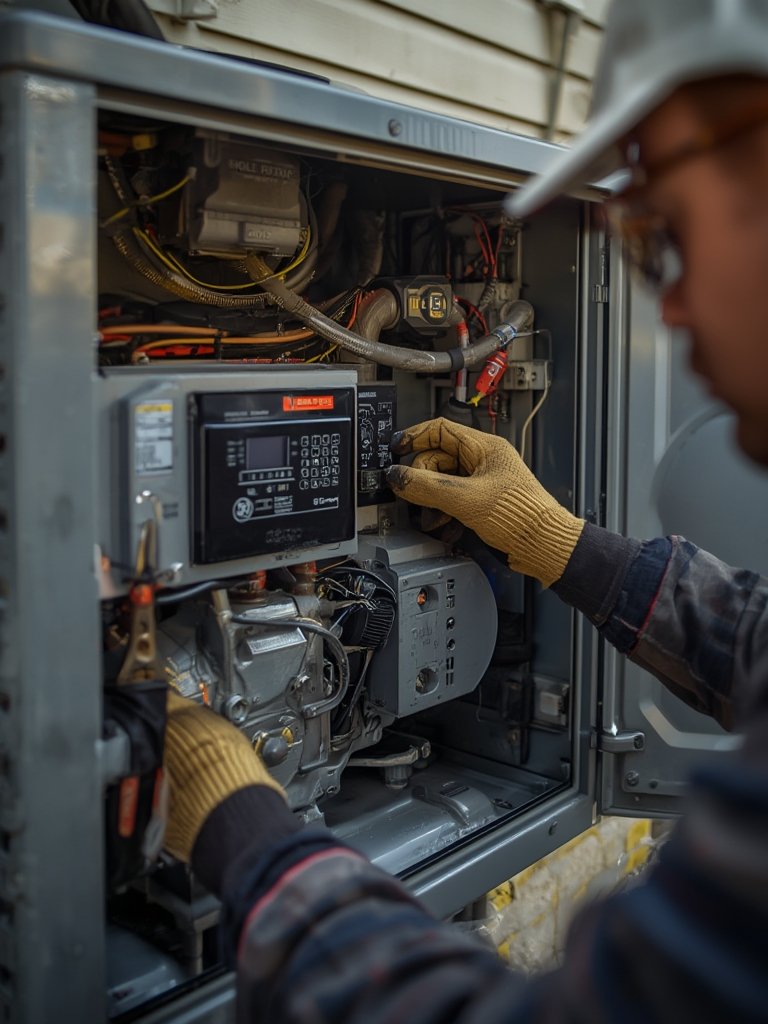
Transfer switch hardware costs $600–$2,500. Full wiring integration for whole home coverage is more complex and requires expertise—sloppy work here is a leading cause of future failures. -
5. Confirm All Labor, Pad, and Fuel Connection Fees
Labor and connection costs typically run $3,000–$12,000 depending on project scope and local labor rates. Extra site work (trenching, concrete pad, running new gas lines) can add a few thousand dollars. -
6. Include Ongoing Maintenance in Your Calculations
Plan for annual service ($200–$500), automatic generator exercise/testing, fuel costs (natural gas $22–$40/month for backup operation; propane $145–$170/fill-up for 20kW), and required inspections. (source)
Need to upgrade your electrical panel before starting? Our smart panel upgrade guide breaks down panel sizing, costs, and future-proofing tips.
If you’re pursuing energy independence, compare generator options with evolving home battery storage for a more holistic backup plan.
Advanced Analysis & Common Pitfalls
Even careful planners get tripped up on hidden generator costs and the nuances of installation or code compliance. Here are the real-world obstacles and mistakes homeowners regret:
| Cost Factor | Low Estimate | High Estimate | Notes |
|---|---|---|---|
| Generator Unit (10–15kW) | $3,000 | $4,500 | Small homes, limited appliance coverage |
| Generator Unit (22kW) | $5,000 | $7,000 | Most homes with HVAC, major appliances |
| Generator Unit (26kW) | $7,000 | $9,000 | Large homes, full backup |
| Installation & Labor | $3,000 | $12,000 | Includes transfer switch, wiring, gas lines, pad |
| Permits & Inspections | $1,500 | $4,000 | Seismic/weather codes vary by region |
| Transfer Switch | $600 | $2,500 | Size and complexity drive cost |
| Ongoing Maintenance | $200/yr | $500/yr | Annual testing, servicing, oil and filter |
| Propane Fuel | $145/fill | $170/fill | 20 kW generator, depends on usage |
- Permitting surprises: Local codes may require upgrades for seismic anchors, special pads, or distance from property lines—these costs are unpredictable without prior research. California, for example, often adds seismic requirements.
- Incomplete quotes: “Whole home” quotes often exclude fuel connection, trenching, or smart transfer switch upgrades. Insist on line item detail.
- Maintenance neglect: Many homeowners assume generators are “install and forget” systems, but annual service and regular exercise are essential. Skipping can void warranties and lead to startup failures.
- Propane limitations: Propane requires on-site tank(s)—installation and refilling isn’t instant or cheap. If your supplier is unreliable or slow during disasters, you may run out of backup power exactly when you need it.
- Weatherproofing gaps: Most guides ignore the need for weather resistance—exposed connections are prone to rust, water intrusion, and failure. Insulate and seal all exterior wiring, gas lines, and pads for long-term reliability.
For more on outdoor weatherproofing, see our best practices for weatherproof installations. - No regional code research: Insurance requirements, fire and fuel codes, or HOA rules can derail installations last minute.
If you want even deeper energy savings, consider integrating your generator project with a high-efficiency heat pump water heater upgrade or a residential EV charger installation to qualify for more rebates—and to plan your electrical loads for the future.

Conclusion
Whole home generator cost is more than the price of the equipment—it’s about planning for installation, long-term reliability, code compliance, and realistic ongoing maintenance. Budgeting $11,000–$19,000 covers most homes, but get detailed, written quotes and verify every cost, from permits to pad to wiring, before signing a contract.
Ready to take the next step? Reach out to a qualified installer for a tailored quote—or compare costs and installation timelines in our 2026 generator installation guide.
Frequently Asked Questions
What is included in whole home generator cost?
The true cost includes the generator unit, installation labor, transfer switch, permit and inspection fees, site prep (concrete pad), trenching or gas line work, and wiring integration. Ongoing maintenance and fuel supply (especially for propane) are also key factors.
Is natural gas or propane cheaper for whole house generators?
Natural gas is usually cheaper to operate long-term as it connects to an existing utility line, while propane has higher per-hour fuel costs and requires a dedicated on-site tank that must be refilled periodically.
How much does generator maintenance cost after installation?
Annual maintenance typically ranges from $200 to $500 and covers oil changes, filter replacement, system testing, and sometimes remote monitoring. Skipping maintenance risks reliability or voids your warranty.
Can I install a whole home generator without upgrading my electrical panel?
If your existing electrical panel has enough capacity and circuits, you might not need an upgrade. However, many homes (especially older ones or those adding major loads like EV chargers or heat pumps) require a modern panel or a smart panel. Learn more in our smart electrical panel cost guide.
Are there rebates or ways to reduce the total cost of a home generator?
Direct rebates for generators are rare, but you may be able to bundle installations with other energy upgrades (like battery storage, heat pump water heater, or EV charger) for tax credits or local incentives. Check your state and utility programs.