


Home insulation upgrade is one of the highest-impact energy improvements you can make for an older house, especially if you want to cut utility bills, reduce drafts, and improve year-round comfort. But even in 2024, most homeowners underestimate the benefits, potential pitfalls, and what it really costs to do the job right.
Key Takeaways
- Upgrading insulation and air sealing can save the average U.S. home up to 15% on heating and cooling costs (source).
- Spray foam offers unmatched air sealing but comes with a much higher upfront price than other insulation methods.
- Take advantage of energy audits and federal tax credits (up to $1,200/year) to offset costs—nearly 9 out of 10 homes are under-insulated against modern standards.
- Understanding Home Insulation Upgrades: What & Why
- How to Upgrade Home Insulation in 2024 (Step-by-Step)
- Advanced Analysis & Common Pitfalls in Home Insulation Upgrades
- Conclusion
- Frequently Asked Questions
Understanding Home Insulation Upgrades: What & Why
An insulation upgrade means adding or replacing the material that slows heat flow through your attic, walls, floors, and rim joists, combined with sealing invisible air leaks. Most older homes, and nearly 89% of modern single-family houses, do not meet the recommended standard for insulation—costing you comfort and money every winter and summer. The Department of Energy and EPA modeling show that bringing your home up to 2012 IECC standards can save 15% on heating and cooling bills on average, and even more in cold climates (see current U.S. stats).

Proper insulation also tackles uncomfortable drafts, fluctuating indoor temperatures, and the risk of mold or pests sneaking in through gaps. Spray foam, blown-in cellulose, and fiberglass batts each have pros and cons—yet which one you need depends on your climate zone, house age, and goals.
How to Upgrade Home Insulation in 2024 (Step-by-Step)
1. Start with a Professional Energy Audit
A certified energy auditor will inspect your attic, walls, and floors using tools like blower doors and infrared cameras. This reveals where your home loses the most heat and air—and identifies which upgrade will return the highest savings (EPA methodology).
2. Choose the Right Insulation Type for Your Home
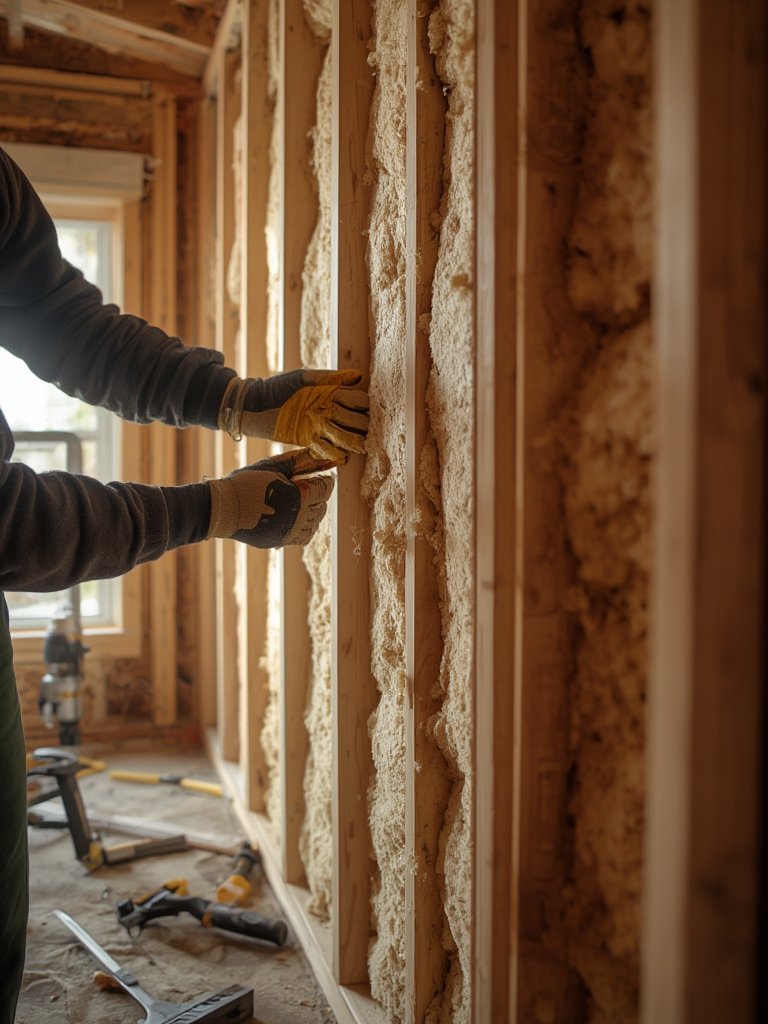
Fiberglass batts and rolls: Most affordable, easy for DIY, but best for open attics and simple spaces. Costs depend on thickness and area—always target at least 10-13 inches in the attic per DOE guidance (DOE recommendations).
Blown-in cellulose: Better for retrofits and awkward areas. Less itchy and more eco-friendly than fiberglass. Available DIY at major home centers—ideal for attics with lots of nooks.
Spray foam: Delivers best air sealing and highest R-value per inch, especially for rim joists or walls. Drawback: significantly higher upfront cost and professional installation required. Many homeowners hesitate due to sticker shock, though substantial energy savings are documented, and federal tax credits help offset the expense (see details).
3. Focus on Climate Zone & Attic: ROI is Highest Here
Colder regions see the biggest cut to heating costs. The EPA reports up to 18% savings on heating/cooling in Climate Zone 8 (northern U.S.), compared to just 7% in southernmost zones. Prioritize the attic, rim joists, and crawl space floors—where most air escapes in older homes. In hot climates, consider radiant barriers in the attic as well.
Learn how related energy upgrades, like a heat pump water heater can further improve efficiency and qualify for additional tax credits.
4. Find (and Stack) Rebates & Federal Tax Credits
While 2024 local utility rebate info is variable, every U.S. homeowner can claim up to $1,200 per year in tax credits through 2032 for qualified home insulation upgrades, thanks to the Inflation Reduction Act (see guidance in the smart panel upgrade guide). Complete a professional audit to unlock the largest incentives and ensure proper documentation.
Some programs also require post-upgrade verification—a second blower door test—to confirm leak reduction and work quality.
5. Decide: DIY or Pro?
DIY blown-in cellulose can be cost-effective for accessible attics, but professional spray foam must be left to licensed contractors. Be prepared: Retrofit costs can be substantial, especially with spray foam, but tax credits and up to 15% ongoing energy savings can narrow the payback gap. Always confirm hidden fees up front, like disposal of old materials, ventilation adjustment, or mold remediation.
Planning an EV charger or solar? Coordinate insulation upgrades with major electrical work for less disruption. See our EV charger installation guide for smarter project sequencing.
Advanced Analysis & Common Pitfalls in Home Insulation Upgrades
Even well-meaning homeowners encounter hurdles that can negate their investment or create new headaches. Here’s what to watch out for, and how different methods compare:
| Issue | Spray Foam | Blown-in DIY | Fiberglass Batt |
|---|---|---|---|
| Upfront Cost | Highest (pro-only) | Low-medium (DIY) | Low (DIY or pro) |
| Air Sealing Power | Best (stops leaks) | Fair-good | Fair, uneven in old framing |
| Risk: Improper Install | High—off-ratio mix/voids possible | Poor coverage, settling | Gaps if poorly fitted |
| Long Term Risk | Possible shrinkage/odor | Can attract pests | Can collect moisture |
- Insufficient air sealing: Skipping air sealing can cut your true savings in half—the best R-value means little if air leaks remain. Always ensure 25% infiltration reduction as modeled by EPA (source).
- Improper installation: Especially with spray foam, improper mix or too-thick application can cause off-gassing odors, shrinkage, and costly removal. With fiberglass rolls, misalignment or compression means poor performance.
- Cost misjudgment: Few competitor guides break down real-world retrofit pricing, especially the hidden costs for older homes like venting updates or mold treatment.
- Forgetting rebates: Don’t leave money on the table. You’re eligible for the 25C tax credit up to $1,200 every year—stack with other energy upgrades like a heat pump water heater or home battery storage system for even bigger savings.
- Unrealistic expectations: Even the best insulation won’t solve comfort issues if you have major HVAC, window, or shading deficiencies. Address whole-home performance for best results.

Conclusion
Upgrading home insulation delivers proven, year-round benefits: lower energy bills, fewer drafts, better air quality, and increased home value. The process can be complex—especially for older homes and spray foam installs—but with the right approach and by stacking tax credits, the payoff is real. If you’re ready for a home insulation upgrade, start with a professional audit and focus on airtight coverage to maximize both comfort and savings.
Want more ways to cut your utility bills and future-proof your home? Check out our guide to home EV charger installation for additional rebate opportunities, or explore smart ways to invest in your building envelope with our exterior painting cost guide.
Ready to upgrade? Get an energy audit and start reclaiming your comfort and your energy budget today.
Frequently Asked Questions
How much can I actually save after a home insulation upgrade?
EPA data shows most homeowners save up to 15% on heating and cooling costs, or about 11% of total energy spending, depending on the climate zone and quality of the install. Savings are highest when paired with thorough air sealing.
Is spray foam insulation worth the extra cost vs. blown-in or fiberglass?
Spray foam offers the best air sealing and highest R-value per inch, but costs more up front and requires skilled installation. It’s most valuable for hard-to-reach areas or if air leakage is your main issue. For many attics, blown-in or batts will deliver 70%–90% of the benefit for a much lower cost.
What is the recommended attic insulation thickness for older homes?
The Department of Energy recommends 10–13 inches of attic insulation for most regions, with radiant barrier additions for hot climates. Most older homes fall short and benefit from topping up to at least this standard.
What rebates or credits are available for insulation upgrades in 2024?
The 25C federal tax credit provides up to $1,200 per year through 2032 for insulation materials and certain costs. Some states and cities offer additional rebates, but participation varies—check with your utility and schedule an energy audit to maximize your incentives.
Do I need a permit or inspection for home insulation retrofit?
Building codes vary by location, but permits and inspections are sometimes required—especially for major projects, spray foam, or multi-unit dwellings. Check local rules before starting work to ensure code compliance and eligibility for incentives.