


### Blog Post:
ADU construction cost is now a keystone question for homeowners, investors, and downsizers planning a property upgrade in 2026. Permitting, construction, and regulatory hurdles have changed rapidly, and what you don’t know can wipe out your budget before you ever break ground. This guide lays out what’s real in 2026, exactly what you’ll deal with, and how to avoid the most expensive mistakes.
Key Takeaways
- ADU construction timelines and true costs vary widely by city, plan type, and regulatory compliance, with expediting reforms in California now in effect.
- Major pain points are delays from missing documentation, utility reviews, and costly surprises from permit or plan compliance failures.
- Step-by-step preparation, use of pre-approved plans, and correct timing of utility hook-ups can save months—and tens of thousands—vs the average homeowner’s approach.
- 1. What Is ADU Construction Cost and Why Does It Matter?
- 2. Step-by-Step Guide to Managing ADU Construction Cost
- 3. Advanced Analysis and Common Pitfalls
- 4. Conclusion
- 5. Frequently Asked Questions
What Is ADU Construction Cost and Why Does It Matter?
The initial price tag to build an accessory dwelling unit (ADU)—often called a granny flat or backyard cottage—can sound straightforward. But true ADU construction cost includes far more than builder quotes. You must factor in permits, plan reviews, connection fees, site issues, and compliance with a maze of local and state rules[source]. Missing any of these can drive costs up by 20% or more—or leave your project stuck for months after you’ve already invested tens of thousands.
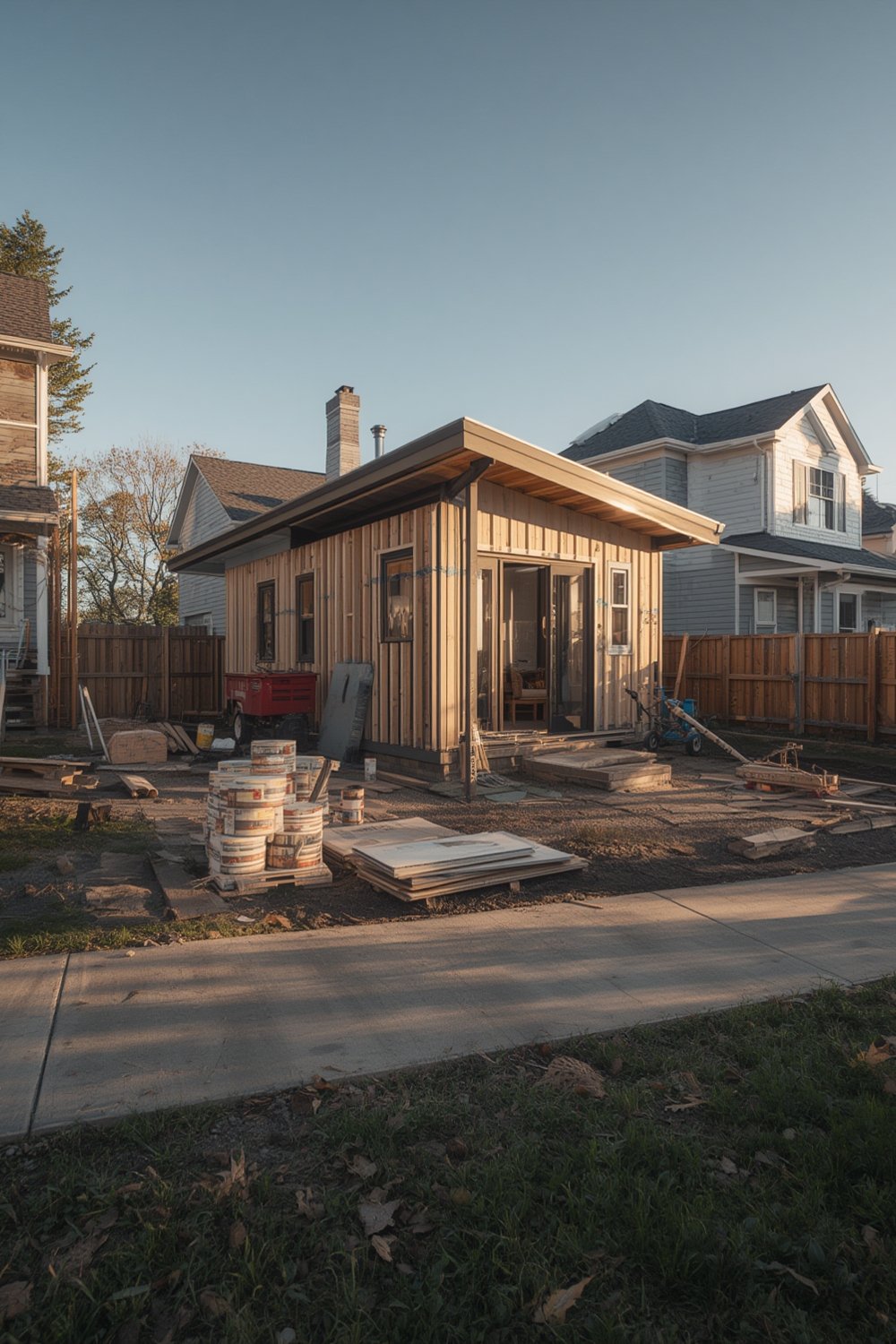
With new laws in 2026, the goal is to streamline approvals and reduce friction, but the process still challenges even experienced homeowners. Understanding construction cost layers—what’s required and how they add up—lets you plan for a predictable, successful project.
Effective planning for ADUs also opens additional property value and rental income opportunities. For many, an ADU offers a pathway to multigenerational living, garage conversion for rental income, or the flexibility to age in place independently.
Step-by-Step Guide to Managing ADU Construction Cost
Here’s the process every homeowner should follow in 2026 to accurately predict, control, and reduce their ADU construction cost:
- Preliminary Research and Feasibility (1–4 weeks): Investigate your site’s zoning, setbacks, and utility access. Each city may have slightly different requirements. Use resources like the California HCD’s official ADU page for guidance. Cities such as Los Angeles and San Diego offer pre-approved plans that dramatically cut plan review time.
- Design and Plan Preparation (2–8 weeks): Decide between prefab kits, custom builds, or garage conversions. Custom plans take longer but allow design flexibility. Prefab options often reduce timelines and may slash soft costs.
- Permit Submission (1 day–1 week): Assemble a full permit set: plans, title 24 reports, site survey, and all city-required documentation. Incomplete submissions cause cascading delays.
- Plan Review and Corrections (30–60 days): Under recent laws, agencies must respond within 60 days—or your plans are automatically approved[source].
- Utility Approvals (Overlaps with plan review): Water, sewer, electric, and gas agencies must review and approve new connections. Prepare for delays—electrical upgrades for new appliances or EV service can require a main panel upgrade well before final signoff.
- Construction and Inspections (4–8+ months): Staged city inspections for foundation, rough trades, insulation, and final must each pass before continuing. Missed requirements mean re-dos at your cost.
- Final Approval/Certificate of Occupancy (days–weeks): Once all passes, the city issues final signoff—a legal ADU.
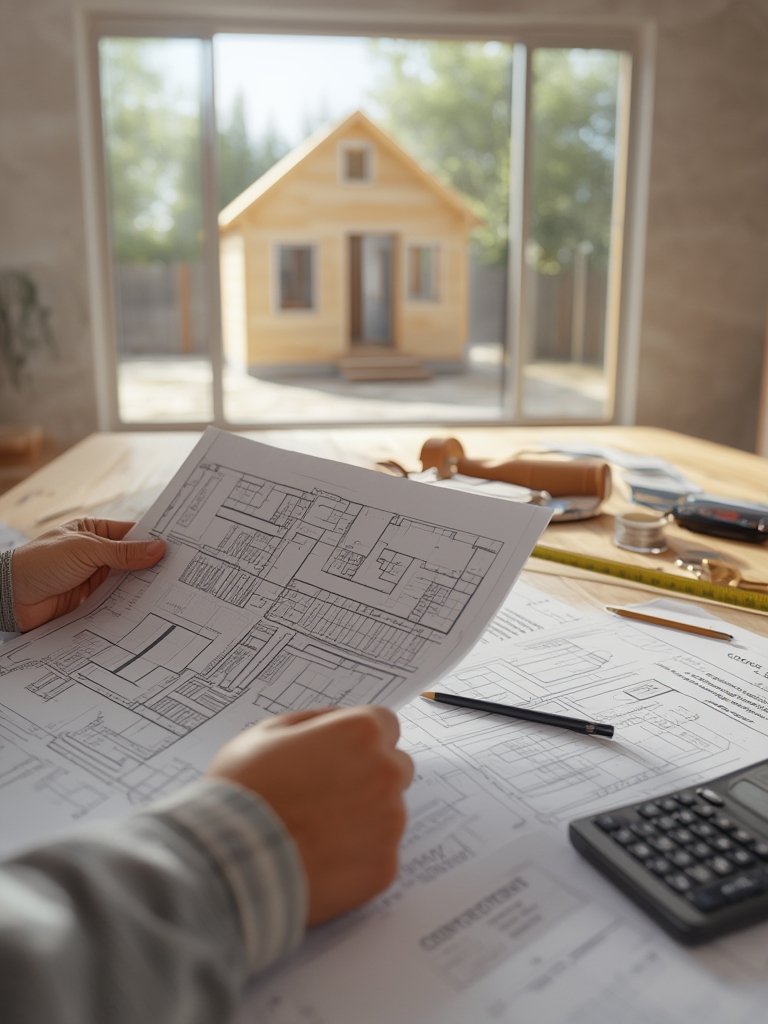
For homeowners requiring energy efficiency or new appliance installs, coordinate your ADU’s electrical panel and heat pump water heater upgrades during utility approval steps. This is also a perfect time to future-proof your property with a home EV charger circuit or a solar battery backup.
If converting an older garage into an ADU, read our ADU garage conversion guide for unique costs and troubleshooting.
Advanced Analysis and Common Pitfalls
Despite reforms, real-world homeowners continue to hit the same construction cost pitfalls in 2026:
- Incomplete Submittals: Missing site surveys, outdated plans, or forgetful compliance checks cause 30–60 day approval resets.
- Utility Review Delays: Utility companies (especially electrical and water) may require significant upgrades for new ADUs—sometimes a costly smart panel upgrade—which are not included in your contractor’s bid.
- Surprise Impact Fees: Some cities still charge “school fees” or local impact assessments at late stages, adding thousands unexpectedly.
- Design Noncompliance: Ignoring setback, height, or lot coverage rules can force expensive plan redesigns mid-process. New laws allow 25-foot heights near transit, but older local codes may still trip you up[source].
- Inspection Failures: Each phase requires city signoff. Errors or cutting corners mean repeat inspections, extra labor, and fees.
| Step | Potential Issue | Effect on Cost & Timeline | How to Avoid |
|---|---|---|---|
| Feasibility/Design | Site not surveyed; missed utility needs | Unexpected cost jumps and change orders | Get site survey and utility consult before plans |
| Plan Submittal | Old forms; missing Title 24/structural docs | 1–2 month approval pause; resubmittal fees | Download updated checklists from city |
| Plan Review | Exceeded 60 days; stalled feedback | Months lost; higher soft costs | Invoke private plan review law (CA only) |
| Construction | Permit expires (no work started in time) | New fees; start process over | Book builder to begin ASAP once permitted |
| Inspections | Missed details or code deviation | Repeat work; budget overruns | Hire a pro GC used to local ADUs |
Proactive homeowners avoid many headaches by closely tracking each step—and building in time for inevitable setbacks. To learn more about controlling renovation budgets, use our exterior house painting cost calculator.
If you’re tackling additional upgrades—like soundproofing a home office in your ADU—plan for extra cost and code review at the permit stage.
Conclusion
Regulations are making ADU construction more predictable in 2026, but the reality is every project is still unique. Armed with current laws, proactive checklists, and real-world insight, you can cut through the confusion, reduce ADU construction cost, and unlock new flexibility for your property. Start your planning today to avoid the months—and thousands of dollars—lost to common mistakes.
Ready to make your ADU project a reality? Review our ADU garage conversion, heat pump water heater, and EV charger installation resources, or view the California HCD’s ADU standards for 2026.
Frequently Asked Questions
How long does it take to build an ADU in 2026?
Most ADU projects in California now take 6 to 12 months from start to finish, though using pre-approved plans and responding quickly to city comments can shave off about 2 months. Regulatory reforms in 2026 target a maximum plan review time of 60 days, with automatic approval if the city fails to respond.
Do I need a new utility connection for my ADU?
Most ADUs require at least some new or upgraded utility connections, especially electrical and water. In many cases, your main house service panel may need to be upgraded. This step can introduce unexpected costs, so always consult local utility providers early in your planning.
What’s the difference in cost between a prefab ADU and a custom build?
Prefab ADUs typically reduce design and permitting time, sometimes saving 10%–20% in soft costs. Custom builds offer more design flexibility but can cost more due to unique plans and permitting complexity. Site condition and utility costs still apply for both types.
How can I get my ADU permit faster?
Use pre-approved ADU plans available in many California cities, and consider private third-party plan check if city review slows past 30 days. Submit a complete set of documents upfront and respond quickly to city corrections.
Can I add energy upgrades (like solar or a heat pump water heater) at the same time?
Yes. The permit process for an ADU is a great time to upgrade your electrical panel, install efficient appliances, or prepare for solar battery storage. Grouping these upgrades can save on labor and reduce permitting complexity.