


### Blog Post:
Aging in place bathroom remodel projects can drastically lower fall risk, improve day-to-day independence, and upgrade comfort—even if mobility needs change over time. This guide breaks down what works, real-world accident data, actionable remodel strategies, potential pitfalls, and the details most other articles miss.
Key Takeaways
- Evidence shows falls in traditional bathrooms lead to thousands of injuries; aging-in-place remodel features can measurably reduce risks.
- Barrier-free showers, grab bars, and standalone shower chairs balance safety with modern looks and minimal lifestyle disruption.
- Most guides miss long-term cost savings, key ADA design insights, and the real differences between built-in and adjustable safety upgrades.
- What Is an Aging in Place Bathroom Remodel & Why It Matters
- How to Plan and Complete an Aging in Place Bathroom Remodel
- Advanced Analysis & Common Pitfalls
- Conclusion
- Frequently Asked Questions
What Is an Aging in Place Bathroom Remodel & Why It Matters
Aging in place means designing your bathroom so you can use it safely, comfortably, and independently—no matter your age or mobility. The stakes are real: bathrooms account for 20 to 30 percent of in-home falls among older adults. Each year, over 235,000 people seek emergency care for bathroom-related injuries, with older adults at highest risk (CDC). Traditional setups—slippery floors, high tub ledges, and lack of supports—are major contributors to falls and loss of independence as one ages.
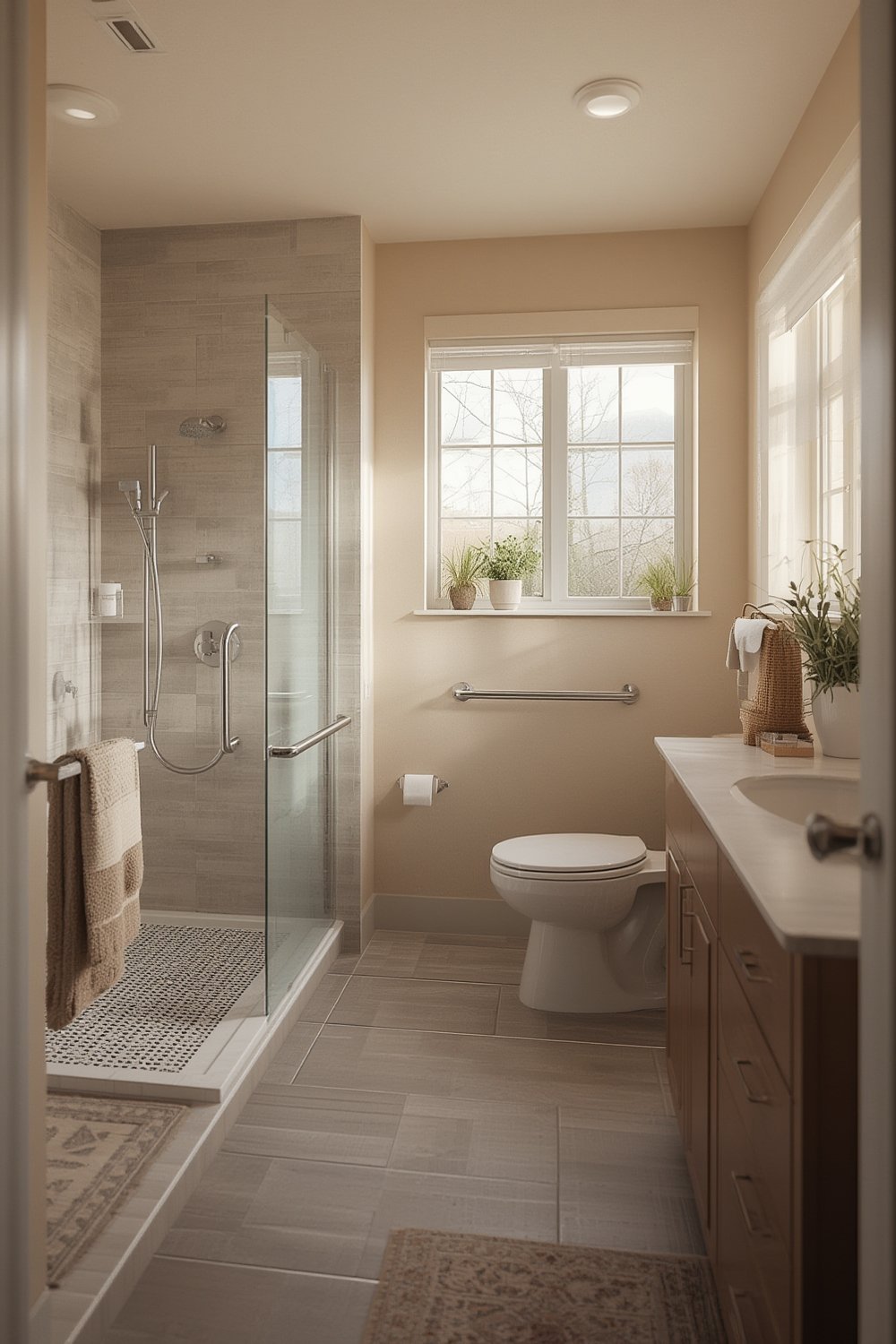
Aging-in-place bathroom upgrades focus on features like zero-entry showers, sturdy grab bars, raised toilets, improved lighting, and non-slip finishes. These modifications reduce accident rates and support “life-proofing”—making your bathroom ready for changes now and in the future.
Many aging-in-place designs merge function with style, matching the latest home design trends without broadcasting “hospital” vibes. It’s about safety and resilience with a modern touch.
How to Plan and Complete an Aging in Place Bathroom Remodel
This process is most successful when tailored to your home’s layout, your specific mobility needs, and your design style. Here’s how to tackle your project pragmatically:
-
Assess Risks and Priorities: Start by reviewing daily routines and pain points.
- Where are slips, stumbles, or uneasy transfers most likely?
- Is the tub ledge too high? Is there enough light? Are support options close to hand?
Research shows most injuries happen while entering/exiting tubs, slippery built-in benches, or poorly placed supports. List your top hazards.
- Consult With an Occupational Therapist: Even a brief paid consult can pinpoint overlooked accessibility blockers. OTs recommend avoiding built-in shower benches in favor of Standalone adjustable shower chair for safer, more comfortable bathing (Friends Life Care).
-
Create a Feature Wishlist:
- Zero-barrier or walk-in showers (no step-up or curb)
- Securely anchored grab bars near the shower and toilet
- Non-slip flooring throughout
- Single-lever or touchless faucets for easier grip
- Amplified bathroom lighting and nightlights
- Raised toilet or toilet seat riser
- Handheld showerhead and adjustable seat
Prioritize features with proven adoption and risk-reduction benefits—grab bars (32 percent), shower chairs (36 percent), barrier-free showers (7 percent – still rare, but effective).
-
Budget and Timeline: Research typical costs for items like a tub-to-shower conversion, zero-barrier install, or safety hardware. Major doorway widening is less common, with little cost transparency in 2024, so focus on high-leverage upgrades unless total accessibility is required.
Consider financing via home equity, HSA funds, or local grants for aging-in-place.
See spa bathroom remodel inspiration that complements safety features. - Find Contractors With Accessibility Experience: Ask for before/after photos and client testimonials. Ensure all hardware is properly anchored—not just installed for looks.
-
Review Building Codes and ADA-Inspired Guidelines: The latest ADA rules stress access, stability, and flexibility—like 36-inch clearance and properly placed grab bars, though residential codes may vary by city.
AARP Home Living offers practical tips on ADA-inspired bathroom design. -
Plan for Future-Proofing:
- Leave enough space and backing in walls for adding/adjusting more grab bars later.
- Keep design neutral—modern grab bars come in chrome, matte black, bronze, or white to blend with any décor (though options and pricing data remain limited as of 2024).
Consider water heater upgrades that integrate with aging-in-place bath remodels.
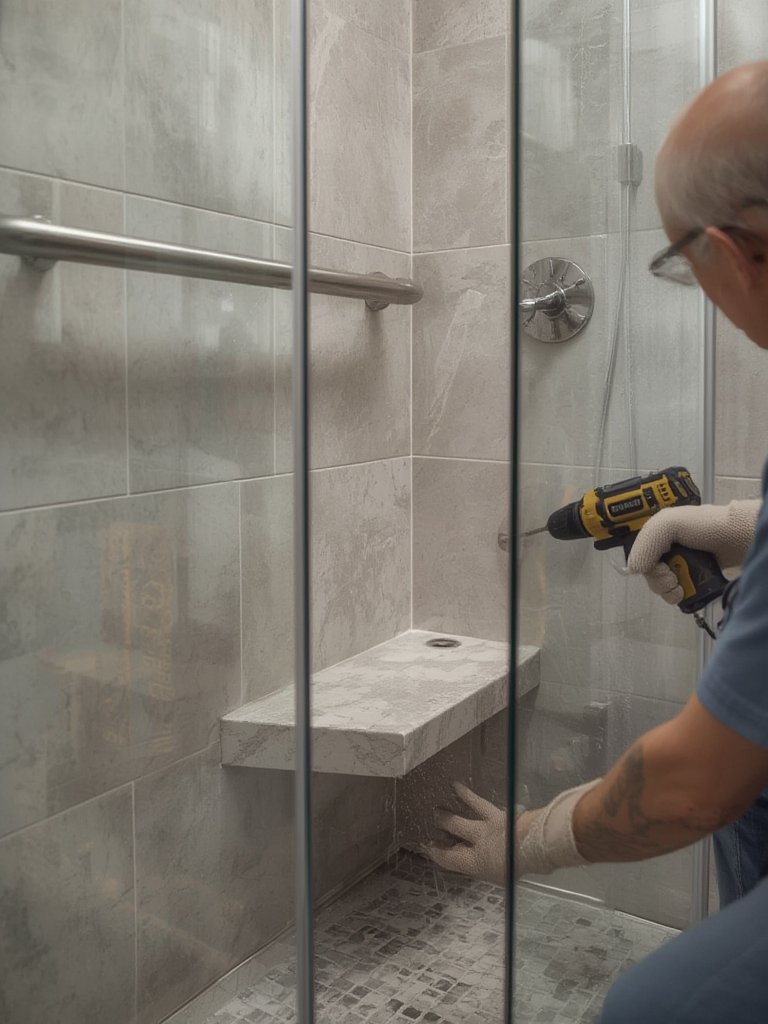
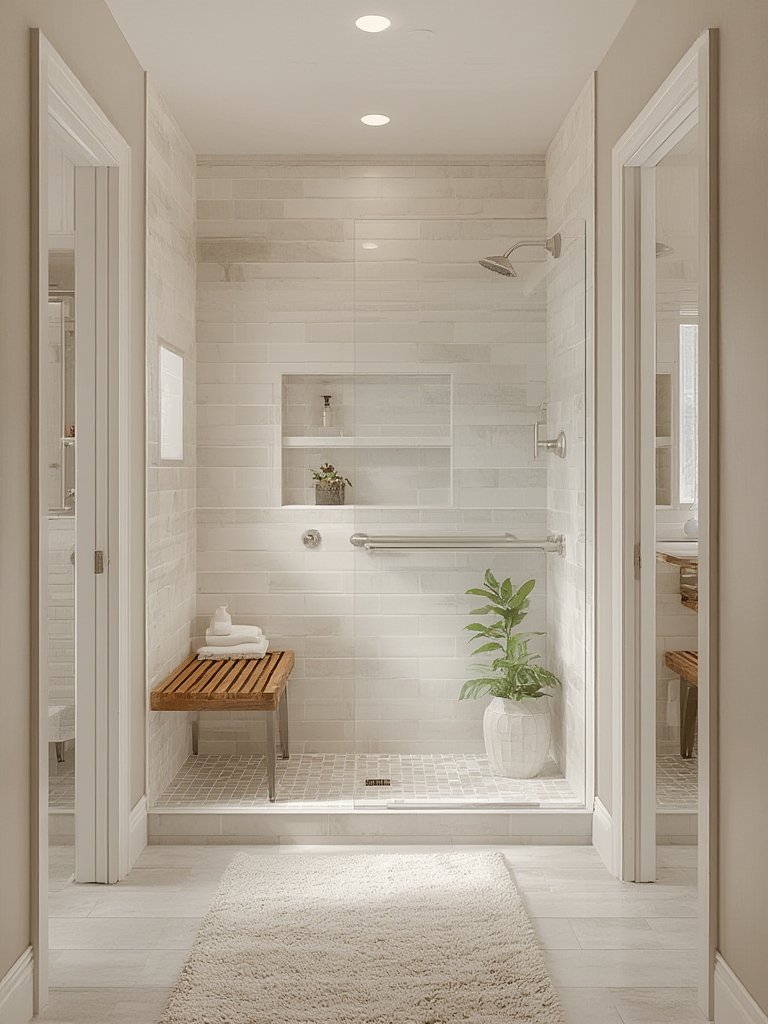
For design-conscious homeowners, mixing sleek grab bar options and a curbless shower can blend spa and safety. Need modern accent ideas for wall panels or updated tiling? See our fluted wall panels DIY guide for affordable yet high-end solutions suitable for aging-in-place bathrooms.
Advanced Analysis & Common Pitfalls
Even the most carefully planned aging-in-place bathroom remodel can run into pitfalls. Here are the realities, what leading articles don’t cover, and how to avoid costly mistakes.
- Pitfall: Incomplete Accessibility — Many remodels focus only on grab bars or a new shower but ignore door width, sink height, or maneuvering clearance. If you use a walker or wheelchair, make sure all access points measure up.
- Pitfall: Poor Product Selection — Not all commercial “accessible” products are equal. OTs note some built-in benches get dangerously slippery and are often placed too far from the shower controls.
- Pitfall: Aesthetics vs. Safety Trade-off — Stylish grab bars remain underrepresented in stores (and barely covered in most blogs), but mounting methods—not looks—are what matter for actual fall prevention.
- Pitfall: Upfront vs. Long-term Costs — Full doorway widening or gut renovations run high. Most cost-benefit is achieved by choosing modular upgrades like grab bars, barrier-free showers, and standalone seats, which also mean fewer patchwork repairs in the future.
- Pitfall: Ignoring Adjustable Features — Fixed shower seats or wall-mounted hardware can’t “move” with you. Adjustable chairs and add-on supports let you adapt as needs evolve.
| Feature/Upgrade | Benefits for Aging in Place | Potential Downsides or Gaps |
|---|---|---|
| Zero-barrier walk-in shower | Eliminates trip risk, visually modern, easier for walkers/chairs | Costlier to build; needs careful waterproofing to prevent leaks |
| Grab bars (toilet & shower) | Major fall risk reduction; many finishes available | Style range limited; must be professionally anchored |
| Standalone adjustable shower chair | Stable and adjustable for different users; recommended by OTs | Some options may look “institutional” if design not considered |
| Non-slip flooring | Reduces slip risk for everyone; no visible difference from standard tiles | Improper install can defeat non-slip function; careful cleaning needed |
| Widened doorway/clearances | Essential for wheelchairs or walkers; future-proofs home | No reliable 2024 average price data; can require major carpentry/plumbing |
Competitor blogs often miss the true complexity of implementing aging-in-place bathroom remodels, glossing over hard cost data, adoption rates (like only 7 percent have barrier-free showers), or real-world user experiences regarding standalone seats versus built-ins.
Secure installation, high traction floors, and flexible upgrades are almost always more valuable than the fanciest fixtures. Look at adjacent home upgrades that support your goals, such as smart electrical panel upgrades (helpful if you plan to add lighting or bathroom tech) or efficient water heating for consistent hot water in safer, easier-to-access showers.
Conclusion
Aging in place bathroom remodel projects are among the most effective home upgrades for reducing falls, staying independent, and helping your home grow with you. By focusing on accessible design, choosing modular safety features, and learning from what most blogs miss, you can avoid the top pitfalls and build a space that’s safe, modern, and genuinely life-proof.
Whether you’re starting with a single grab bar or a full spa-like conversion, every modification to your bathroom can pay off in years of comfort and peace of mind. Ready to take the next step on your aging in place bathroom remodel? Start by assessing your own space right now—then connect with professionals or explore DIY approaches that match your budget and style.
Want a complete home comfort and modernization plan? Check out our latest guides, like whole home generator installation or our cost breakdown for garage ADU conversions, and future-proof your space.
Frequently Asked Questions
What’s the most important upgrade for an aging in place bathroom remodel?
Barrier-free (curbless) showers, securely anchored grab bars, and non-slip flooring are the three biggest impact modifications. Standalone adjustable shower chairs further reduce injury risk.
Do I need to upgrade my entire bathroom, or can I do it in phases?
You can absolutely phase your project. Start with highest-risk features—grab bars, non-slip surfacing, and improved lighting—before tackling bigger jobs like curbless showers or doorway widening.
Are aging-in-place features compatible with modern/boutique design?
Yes. Many modern grab bars and accessories come in matte black, brushed nickel, or minimalist finishes. Zero-threshold showers work well in spa-style and contemporary bathrooms—see spa bathroom remodel ideas for inspiration.
How much does it cost to widen a bathroom door for wheelchair access?
As of 2024 there’s no reliable average price published, but this is typically one of the more expensive and disruptive upgrades. Most homeowners prioritize lower-cost retrofits such as grab bars or tub-to-shower conversions instead.
Are there any common mistakes to avoid in aging in place remodels?
Avoid slippery built-in shower seats, poor grab bar placement, and choosing aesthetics over true safety-level installation. Always test hardware before final install, and consider designs that can adapt as needs change.