


### Blog Post:
Home battery storage system installations are becoming the go-to solution for backup power and energy control in modern homes. But are these high-tech batteries worth it in 2025? This guide breaks down real costs, the installation process, and what you actually get before you buy.
Key Takeaways
- Average cost for a whole-home battery system in 2025 is $10,000–$30,000+, with major brand options like Tesla Powerwall, FranklinWH, and Duracell Power Center Max Hybrid.
- Professional installation and permitting can add $3,000–$10,000+ to the total, but DIY options like Anker Solix exist for select systems.
- Battery-only backup provides seamless power during outages, but incentives, reliability, and long-term maintenance need close attention before purchase.
- What Is a Home Battery Storage System and Why Install One?
- Step-by-Step Guide to Installing a Home Battery Storage System
- Advanced Analysis & Common Pitfalls: What Can Go Wrong?
- Conclusion: Is Home Battery Storage Worth the Investment?
- FAQ: Home Battery Storage System
What Is a Home Battery Storage System and Why Install One?
A home battery storage system is a powerful rechargeable battery installed in your house to store electricity for use during power outages or to help you manage your energy bills. These systems, often installed alongside solar panels but sometimes used alone, automatically kick in when the grid goes down or when you want to avoid high utility rates. In 2025, costs are finally coming down, making whole-home backup more accessible than ever.
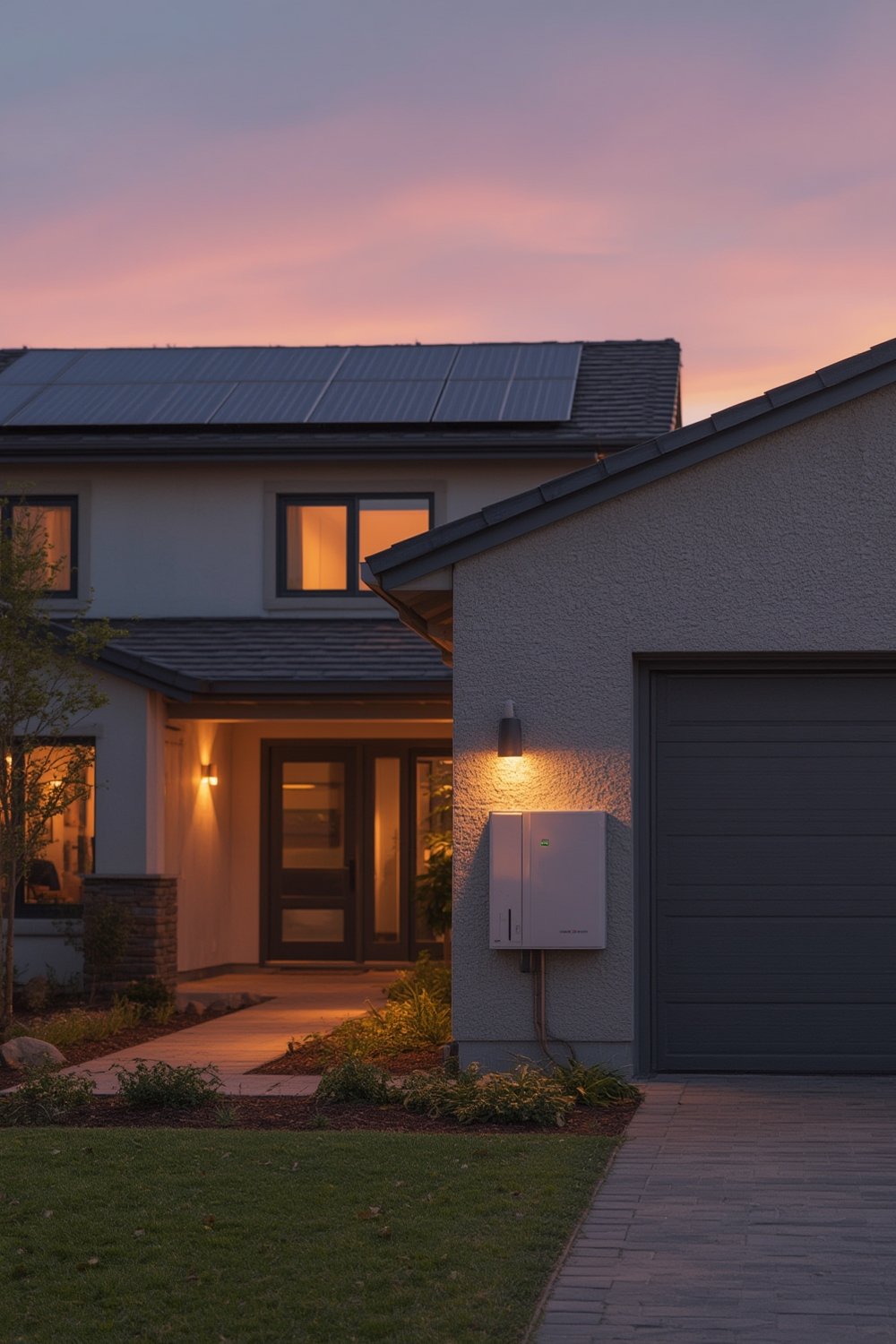
Unlike emergency generators, batteries run silently, require little maintenance, and work well with new smart electrical panels. You can even use a system without solar to keep your family safe in outages or keep critical devices running—an increasing concern with blackout risks rising nationwide. For homes adding energy efficient water heaters or even upgrading to a home EV charger, battery storage can provide extra resilience.
Costs vary significantly. In 2025, expect to spend $10,000–$30,000+ for a full home system sized at 30 kWh or more. Entry-level systems are smaller and may cost less, but if you want to keep your entire home running during extended outages, plan on budgeting for the top end of that range. Brand choice matters—Tesla Powerwall often undercuts competitors but can be constrained by installer supply, while FranklinWH and Duracell are gaining market share at competitive kWh prices (EnergySage 2025 Battery Guide).
Step-by-Step Guide to Installing a Home Battery Storage System
Ready to boost your home’s resilience? Here are the essential steps to take if you want to add a home battery storage system in 2025.
- Assess your backup needs: Calculate your home’s emergency and daily power needs. 30 kWh covers most whole-home use, but some homes can go lower if only critical circuits are backed up (Anker Solix Cost Guide).
- Choose your battery and system configuration: Compare brands by cost per kWh, scalability, warranty, and installation requirements. For example, Tesla Powerwall units are modular, while FranklinWH aPower 2 requires multiple units for a true whole-home solution. If you want to avoid traditional gas generators, batteries provide instant switchover and quiet operation (whole home generator comparison).
- Get site and panel assessed: Most homes need an electrician or installer visit to confirm panel space and safety. If panels are outdated, a smart upgrade might be necessary (smart panel options).
- Apply for permits and incentives: Most regions require electrical and sometimes structural permitting. Fees typically run $500–$2,000, but available tax credits (federal and local) often reduce the final outlay by 30% or more.
- Schedule installation and grid interconnection: Professional installation takes one day to a week, depending on complexity. Brands like Anker Solix allow partial DIY for solar integration, but most recommend certified pros for main system wiring and grid tie.
- Commission, monitor, and maintain: Test the handover process, learn app and monitoring features, and set up alerts. Expect minimal annual maintenance, but plan for inverter replacement every 10–15 years ($1,000–$3,000).
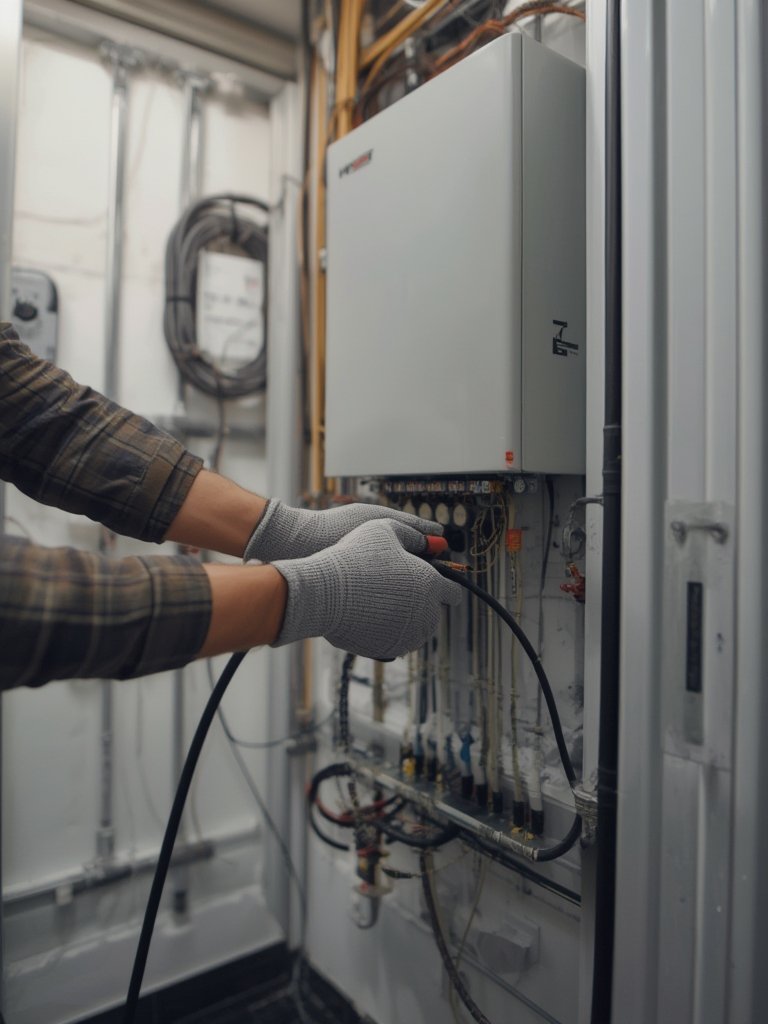
Cost Breakdown Example: For a 30 kWh system, hardware may cost $24,000–$36,000 depending on brand. Add $3,000–$10,000 for installation, plus $500–$2,000 for permitting. Optional smart features or subpanel upgrades can raise costs further, but they can also add future-proof flexibility if you plan to expand with solar, EV chargers, or other major electric upgrades (future-proofing tips).
Don’t forget to read up on best practices from related upgrades like heat pump water heaters, where similar incentives and installation steps apply.
Advanced Analysis & Common Pitfalls: What Can Go Wrong?
Battery systems are not one-size-fits-all. Here’s what trips up most homeowners in real-world installs and what you need to know before writing a check.
| Model | Capacity | Roundtrip Efficiency | Battery Type | Smart Features | Approx. Cost per kWh |
|---|---|---|---|---|---|
| FranklinWH aPower 2 | 30 kWh (3 units for whole home) | 96% | Not specified | Basic | $1,220 |
| Duracell Power Center Max Hybrid | 30 kWh (2 modules) | 96% | Not specified | Basic | $813 |
| Savant Power Storage | 37 kWh (2 units, scalable) | 93.8% | Not specified | Excellent smart home integration | $846 |
| HomeGrid Stack’d Series | 33.6 kWh (1 stack) | N/A | Not specified | Basic | $862 |
| Anker Solix (Expandable) | 3.84–29.6 kWh | N/A | LiFePO4 | Solar charging, app | Varies |
| Tesla Powerwall | ~13.5 kWh/unit | N/A | Not specified | App/app automation | Lower than competitors |
Common Pitfalls and Risks:
- Cost overruns: Homeowners regularly underestimate total project costs. Permitting, unexpected panel upgrades, and add-ons can increase the final bill by $5,000 or more.
- Performance mismatch: Many buyers purchase under-sized systems, leading to disappointment during prolonged outages. 10–15 kWh is insufficient for large homes unless only critical loads are covered (GSL Energy Cost Guide).
- Interconnection delays: Local utility and permitting office backlogs can delay projects, especially after major storms or with high demand.
- Compatibility issues: Not all inverters and panels work with every battery system. Adding devices later (like a home EV charger or solar array) may need a costly electrical panel upgrade if not planned up front.
- Maintenance surprises: While most batteries are low-maintenance, inverter replacements every 10–15 years and software bugs can catch homeowners off guard. Warranties do not always cover installation errors or system misconfiguration.
- Misaligned expectations: Battery backup does not run forever. For the highest reliability, pair with solar or have a backup generator as fallback (SolarReviews Battery Storage Value).

The market is moving fast, but as of 2025, there are limited reliable statistics on national battery adoption rates. Look for future market updates to see if growth continues to outpace generator installs as more homes electrify.
Conclusion: Is Home Battery Storage Worth the Investment?
A home battery storage system is a proven way to provide backup power, take control of energy costs, and prepare for the smart, electrified home era. In 2025, expect to pay $10,000–$30,000+ for a system capable of full-home coverage, with add-on costs for installation and potential panel upgrades. Batteries are quiet and low-maintenance, but careful planning is essential to avoid performance shortfalls or financial surprises.
Whether you are electrifying your entire home, considering a heat pump water heater or aiming to future-proof your EV charging, integrating battery storage early may maximize value. For even more safety, consider combining with a whole home generator in regions with severe outage risk. Ready to design your own home battery storage system or have specific questions? Contact a qualified installer or energy advisor to get started on your home battery storage system upgrade today.
FAQ: Home Battery Storage System
How much does a whole house battery backup system cost in 2025?
Installed systems range from $10,000–$30,000+ depending on desired backup capacity. Entry-level setups start near $10,000 for 10–15 kWh, but true “whole home” solutions (30 kWh+) run $24,000–$36,000 for hardware with additional installation and permitting fees.
Do I need solar panels to benefit from a home battery backup?
No. You can use a home battery storage system without solar. It will provide blackout protection by storing grid power, although adding solar can extend runtime and potentially allow for off-grid operation.
How does battery backup compare to a traditional generator?
Batteries are silent, produce no fumes, and switch seamlessly. Generators are cheaper up front for whole-home backup but require fuel, maintenance, and are slower to turn on. Long-term value depends on your needs and outage frequency. For a direct comparison, see our whole home generator installation guide.
What are typical installation challenges or hidden fees?
Common issues include outdated electrical panels (requiring costly upgrades), permitting delays, and unexpected labor charges. Always get itemized quotes and ask about the need for subpanels or extra monitoring devices.
Will installing a battery system help me save money on my electric bill?
Yes, if you use time-of-use rates or have solar panels. Batteries can offset peak charges and store excess solar for nighttime use. Savings for storage-only systems are more limited unless utility programs are available in your area.
—
[…] you’re already planning a home battery storage system, thinking about a smart electrical panel upgrade, or want the most resilient setup possible, solar […]