


### Blog Post:
Exterior house painting cost calculator is the fastest way for homeowners to estimate project expenses, but most calculators miss essential details that can make or break your real budget. This guide cuts through the hype: get realistic numbers, critical watchouts, and pro tips to keep your next exterior painting project on track—with no costly surprises.
Key Takeaways
- Exterior painting calculators give only a starting estimate—prep work, siding type, home height, and equipment needs can raise costs significantly.
- Professional labor, surface repairs, and premium paints affect your total investment much more than basic material price alone.
- Understanding how region, prep scope, and contractor pricing work is critical before signing any painting contract or buying supplies for DIY.
- How an Exterior House Painting Cost Calculator Really Works
- Step-by-Step: Getting a Realistic Estimate (and Saving Money)
- Advanced Analysis & Common Pitfalls
- Conclusion
- FAQs
How an Exterior House Painting Cost Calculator Really Works
Most people use an exterior house painting cost calculator to get a fast, ballpark figure for their home’s next paint job. But the number you see online rarely matches the final bill. Calculators estimate using your home’s square footage, multiplying that by current national or regional averages—typically between $1.50 and $4 per square foot. The real total varies based on your region, number of stories, siding condition, and required prep work.

These calculators fail to factor cost drivers like rot repair, old paint removal, multi-story access, and regional labor rates. For example, painting the same 2,000 sq. ft. home could cost $2,400 in the Southwest versus $4,500 in the Far West. Specialty homes, detailed trim, or surfaces like stucco or wood often push the price well above the calculator’s “suggested” total.
Still, calculators are useful for getting a first estimate—just don’t treat them as a final quote. Homeowners looking to save on large-scale upgrades (like switching to a heat pump water heater for energy efficiency) can take a similar approach: understand ballpark numbers, but dig deeper into the specifics that matter most for your project and region.
Step-by-Step: Getting a Realistic Estimate (and Saving Money)
To avoid budget overruns, use exterior house painting calculators as a launching point and follow a disciplined assessment method:
- Measure your home’s exterior area accurately. Don’t guess—calculate the square footage of all painted surfaces, including trim, doors, and overhangs. Many painting calculators, even top ones, let you enter multiple breakdowns (walls, windows, trim) for detail.
-
Adjust by complexity: number of stories, siding material, condition.
- Single-story vs. multi-story: Each additional story increases the price by up to 50 percent, reflecting labor and equipment costs (see source).
- Siding type: Wood, stucco, and concrete are more expensive to paint than vinyl. For reference, wood siding often costs $1–$3 per square foot; concrete $1–$3.50, and vinyl $1.25–$3 (Angi).
- List prep work needs. Scraping loose paint, patching rot, or replacing trim can add $0.50–$2 per square foot, often missed by calculators.
- Include special equipment costs. If your home requires scaffolding or lifts (usually for homes taller than two stories or with hard-to-reach peaks), budget for this—it can shift the project cost by thousands.
- Choose your paint wisely. Higher-quality paints cost more upfront ($20–$60 per gallon oil-based, $20–$50 latex), but glossier finishes or acrylics extend durability and reduce re-coat cycles.
- Request multiple contractor bids and ask for a breakdown. Some will quote per square foot, others by the hour. Look for transparency, insurance coverage, and a scope that covers all prep, priming, masking, and detail work.
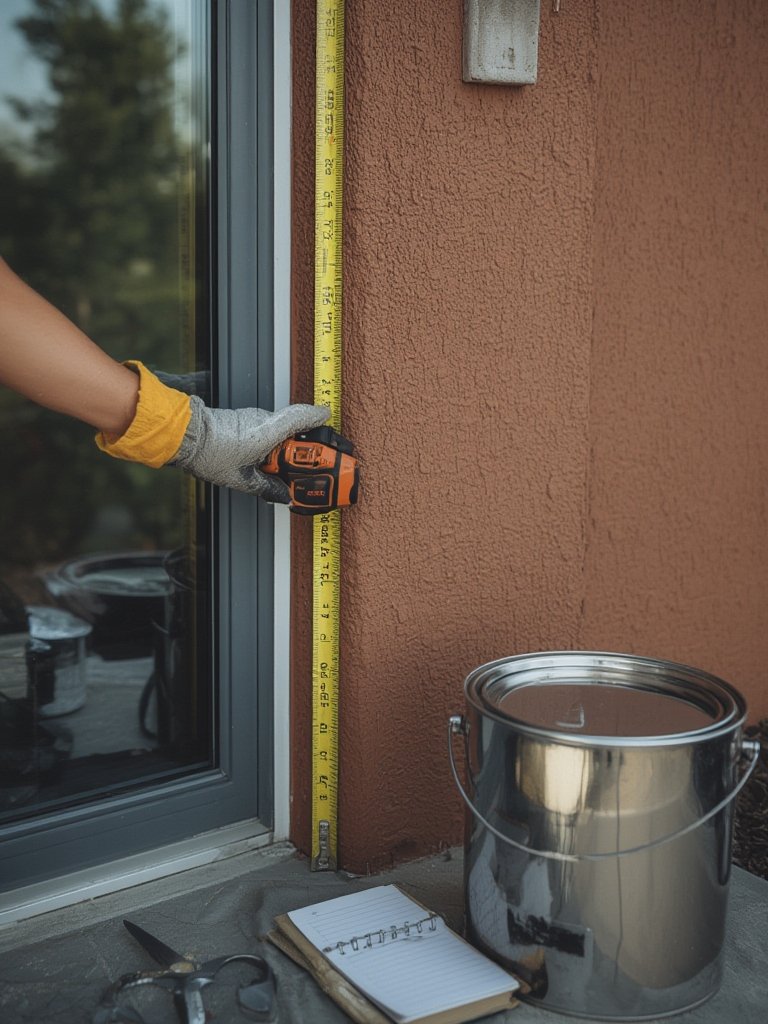
Budgeting for exterior painting also means thinking about project timing (peak season commands a premium price), weather risks, and the lifecycle cost of materials. For large homes, cost stacking happens fast if scaffolds, rot repair, or window masking are extensive. Explore approaches like color drenching in select areas (see guide) to upgrade curb appeal without repainting your entire home.
If you’re considering a broader remodel, combining painting with upgrades like new smart electrical panels or EV charging can help you coordinate contractors and potentially save on site prep and clean-up fees.
Advanced Analysis & Common Pitfalls
Too many homeowners are sidetracked by misleading “lowest price per square foot” calculator results. Here’s an actionable breakdown of what those calculators often miss, and what can derail your project:
| Cost Factor | Typical Range | Real-World Impact |
|---|---|---|
| Labor (per hour, per painter) | $25–$100 | Premium markets (and trusted contractors) price higher. One low-bid painter often means rushed work. |
| Labor (per sq. ft.) | $1–$3.50 | Excludes specialty prep. Final costs balloon if surface repair is extensive. |
| Multi-story Premiums | +50% per added story | Scaffolding, fall protection, and more man-hours needed. |
| Prep Work | $0.50–$2 per sq. ft. | Often missed in rough calculators—this includes stripping, caulking, patching rot. |
| Paint Product Cost | $20–$60 per gallon (oil) $20–$50 per gallon (latex) |
Premium (gloss/acrylic) lasts longer—lower lifetime cost, less frequent repaints. |
| Region | $2,300 (Plains) to $4,500 (Far West) | Coasts and cities cost more due to demand; rural or Southern regions are cheaper. |
- Scope Creep & Hidden Costs: It’s common for initial estimates to miss hidden wood rot, water damage, or caulking failures. Always have a “contingency” budget—projects frequently expand once prep starts (see details).
- DIY vs. Pro Outcomes: DIY jobs may save cash ($500–$2,400) but risk poor coverage, uneven finishes, or code violations—especially on homes larger than 1,000 sq. ft. Professional quality eliminates many “redo” costs (see full breakdown at CertaPro).
- Paint Lifespan Misconceptions: Many calculators don’t factor paint quality. Cheaper flat paints last only 3–5 years; top-tier gloss or acrylics can easily last over a decade, saving money over time (Angi).
- Contractor Transparency: Most calculators ignore labor pricing models—hourly vs. project-base. If you don’t clarify, you risk surprise overages or vague terms about what’s included.
Before committing to any project, look at examples of finished work and ask for warranty details. This is especially important if you’re upgrading for resale value or adding an ADU via a garage conversion (see ADU conversion costs).
Conclusion
The right exterior house painting cost calculator helps you avoid bad surprises but should always be just one part of your planning process. Adjust for your siding’s real square footage, likely prep requirements, and local labor rates. Push for detailed contractor bids and line-item breakdowns. If you want to maximize curb appeal or value—whether for a simple refresh or bigger remodel—put in the work upfront to get the clearest, most accurate estimate.
Ready to get started? Use a detailed exterior house painting cost calculator, and don’t hesitate to seek several quotes, verify contractor licenses, or add upgrades like a whole home generator or washable rugs as part of a single project. Your results—and your budget—will thank you.
FAQs
How accurate are exterior house painting cost calculators?
They provide a useful baseline, but rarely include all variable costs—especially prep work, multi-level homes, or high-end paint upgrades. Always use them as a starting point, then confirm with detailed in-person contractor quotes for best results.
What is the average cost per square foot to paint a house exterior in 2025?
The national average is between $2.20 and $7.95 per square foot, with most homes landing in the $3 to $4.50 range. Higher-end projects or homes with complex prep and multi-story access will trend towards the upper end (see CertaPro data).
Can I save money by doing the work myself?
DIY painting can cost as little as $500 to $2,400 for small homes if you already have most equipment. The bigger risk is in quality—errors, safety issues, or unanticipated weather delays can cancel out savings fast.
What extra costs do calculators usually miss?
Most calculators miss prep work like sanding or rot repair, multi-story access, premium paint upgrades, and specialty masking. For older homes, hidden damage can add thousands—always set aside a contingency fund.
Does the region really make a big difference in cost?
Yes. Homes on the West Coast or in major cities can pay nearly double compared to rural or Southern areas, reflecting higher labor and material prices.
[…] more inspiring upgrade tips, check out our advice on estimating paint costs or future-proofing your home EV charger installation—all proven ways to add daily value and […]