


### Blog Post:
Whole home generator installation is one of the most valuable upgrades a modern homeowner can make to safeguard comfort, safety, and property during power outages. But jumping in without a clear plan can lead to sticker shock, delays, or expensive mistakes that are only discovered after the lights go out. This guide demystifies the costs, best practices, and pitfalls of whole home generator installation for 2024—arming you with real data, insider steps, and actionable tips for a seamless project.
Key Takeaways
- Expect a whole home generator installation to cost $7,000–$15,000 on average, with significant variation by generator size, fuel type, and local labor rates (source).
- Common oversights—like skimping on permits or sizing—cause delays, inspection failures, or generator underperformance when you need it most.
- Choosing the right generator brand, transfer switch, and installer is crucial for reliable, long-term protection without breaking the bank.
- What Is Whole Home Generator Installation?
- How to Install a Whole Home Generator: Step-by-Step
- Advanced Analysis & Common Pitfalls
- Conclusion
- FAQ
What Is Whole Home Generator Installation?
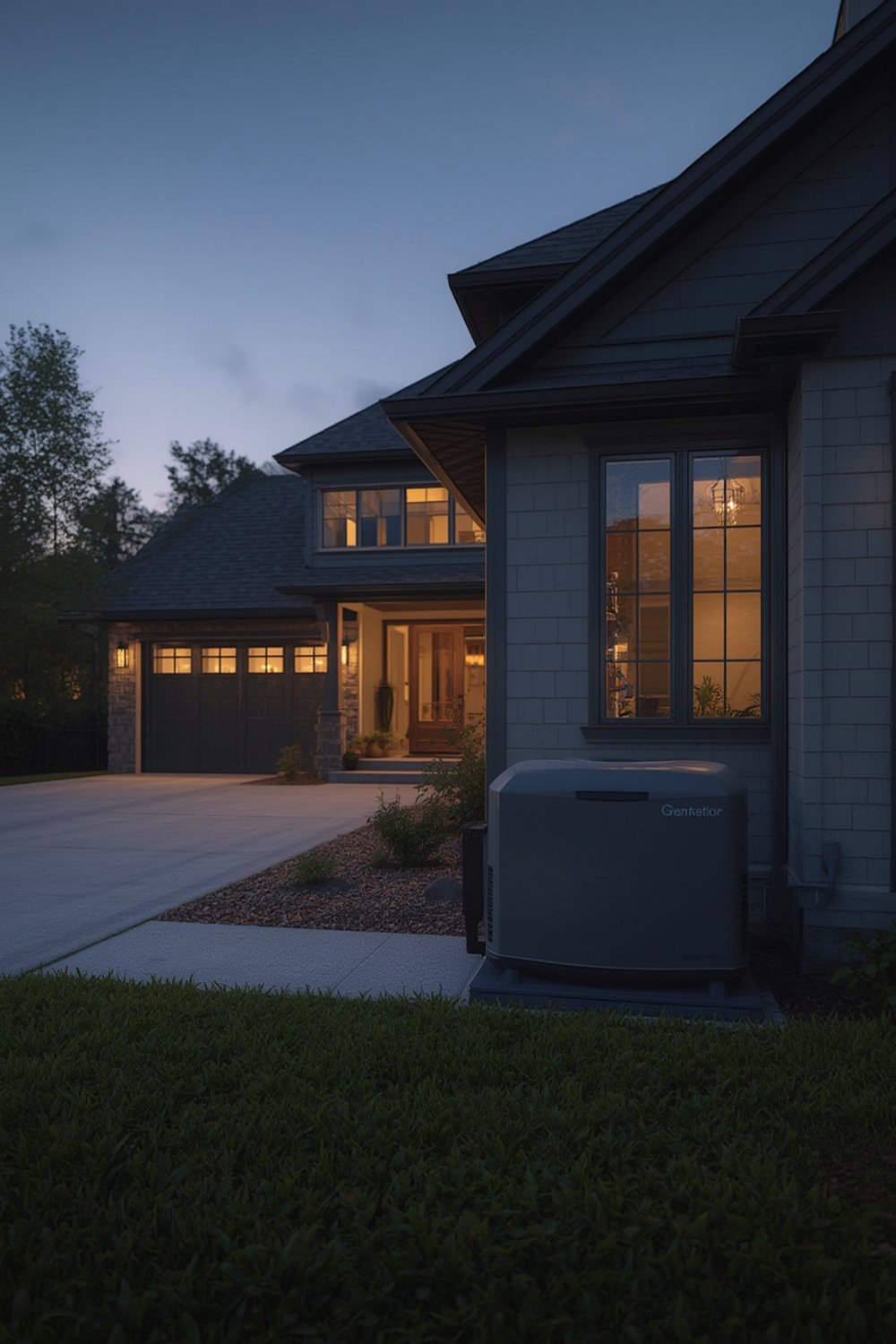
Whole home generator installation means installing a permanently connected backup generator, typically a standby unit powered by natural gas or propane, that automatically provides power to your entire home during utility grid outages. Unlike portable generators, these systems turn on in seconds via an automatic transfer switch, keeping HVAC, appliances, lights, well pumps, and family electronics running smoothly. The goal is peace of mind, safety, and zero disruption, especially as power reliability is challenged by storms and grid constraints in many regions.
How to Install a Whole Home Generator: Step-by-Step
A successful generator installation goes far beyond dropping a unit in the yard. Here are the critical steps:
- Evaluate Your Power Needs
Calculate the simultaneous wattage requirements for all home circuits, especially HVAC, fridges, pumps, critical medical equipment, and lighting. Oversizing or undersizing will cost you later. Consider energy-saving upgrades—such as a heat pump water heater—to reduce generator size needs. - Choose the Generator Size and Fuel Type
Compare brands (Generac, Kohler, Cummins) and select the right kW output for your power needs and budget. Natural gas is cheapest per hour for most, but ensure you have an adequate supply line. - Site Preparation and Permitting
Secure local permits. Prepare a flat, code-compliant pad outside with proper clearance from windows and doors. Existing landscaping and code-required setbacks can impact install costs and feasibility. - Professional Installation
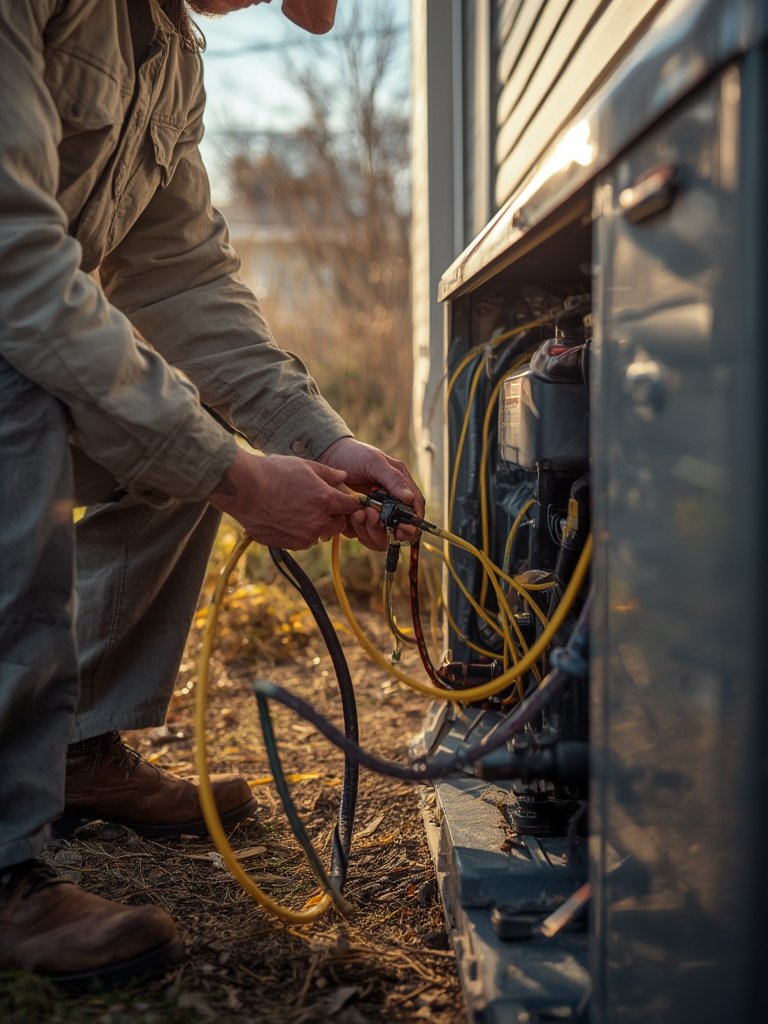
Licensed electricians and plumbers connect power and gas lines, install the generator, and wire the transfer switch. Many homes require an electrical panel upgrade for safety and compatibility. - Inspection and Startup Test
Local inspectors must approve wiring, gas safety, and overall code compliance before the system is made operational. Expect an initial full-power test and transfer switch demonstration.
For homeowners planning larger electrical upgrades—like adding a home EV charger or building an ADU garage conversion—coordinate all permitting and electrical panel changes together to save time and money.
Seasonal timing also matters. Installation schedules fill up during hurricane and wildfire seasons, causing longer waits and higher labor rates. Aim for late winter or early spring for best availability and pricing.
Advanced Analysis & Common Pitfalls
Generator projects rarely go exactly as planned. The most common pitfalls are:
- Underestimating Total Costs
Homeowners often budget only for the generator unit but overlook high labor, permits, and site work costs. Current all-in national averages for whole home generator installation run $7,000 to $15,000 (see source), or even higher for complex properties or larger systems. Always demand a detailed quote that includes delivery, pad construction, panel upgrades, inspections, and start-up testing. - Improper Sizing
Choosing a generator that’s too small leaves appliances unprotected. Too large and you overspend on equipment and fuel. Get a load calculation from a licensed installer, or use a reputable sizing calculator to align the kW rating with your specific home. - Permitting and Inspection Failures
Skipping or shortcutting local permits means your install may never pass final inspection. This risks fines, forced rework, or warranty voidance. Each city has unique codes; consult the local building department and clarify requirements ahead of time (see details). - Transfer Switch Errors
An incorrectly installed transfer switch can result in dangerous backfeeding or system failure. Insist on professional installation, and ask for a demonstration of safe manual transfer switch operation if applicable. - Ignoring Fuel Supply Limitations
Propane and diesel supply interruptions are a hidden risk. If possible, connect to municipal natural gas for lower hourly costs and guaranteed supply. See the table below for typical hourly fuel costs by generator size and fuel type.
| Fuel Type | 7 kW | 15 kW | 20 kW |
|---|---|---|---|
| Natural Gas | $10–$20 | $22–$32 | $30–$40 |
| Liquid Propane | $60–$70 | $145–$165 | $150–$170 |
| Diesel | $32–$40 | $90–$110 | $100–$120 |
| Gasoline | $55–$70 | — | — |
Want to compare total cost of ownership and reliability across multiple brands (Generac, Kohler, Briggs & Stratton)? Detailed comparisons on long-term maintenance and warranty are not widely published, but choosing a major, locally supported brand often ensures best service. For further tips see our heat pump water heater upgrade guide or our DIY home improvement tutorials.

Conclusion
Whole home generator installation is a smart move for homeowners who want reliable backup power during outages, but it is not plug-and-play. Expect to budget $7,000 to $15,000 or more depending on your region, generator size, and project complexity. Always confirm local code requirements, permit needs, and installer qualifications—these are more critical than ever as power disruptions become more routine across the US. When in doubt, get several quotes, compare brands, and never fault on legal requirements or safety. Ready to take the next step? Contact a certified installer for a whole home generator installation quote today.
FAQ
How much does it cost to install a whole home generator in 2024?
The national average for a fully installed standby generator package is $7,000–$15,000, though basic setups can start near $5,000 and complex systems may exceed $20,000 due to regional labor differences and fuel supply complications. For cost breakdowns see this detailed guide.
Which generator brands are most reliable?
Generac is widely considered the leading brand for whole home generator installation, with Kohler, Briggs & Stratton, Honda, and Cummins also offering reliable models. While brand reliability varies, choose one with strong local support and installer availability.
Do I need a permit for generator installation?
Yes, most cities and counties require permits and inspections for whole home generator installation. Skipping permits may result in code violations, insurance denial, or even safety hazards. Check with your local authority and hire a credentialed pro.
How long does it take to complete the installation?
Most installations, including permitting and inspections, take 1 to 3 weeks from signed quote to operational status. Delays are common during severe weather seasons due to backlogs and supply chain issues.
Can I install a standby generator myself?
DIY standby generator installations are strongly discouraged due to safety, legal, and insurance risks. Only licensed professionals should handle electrical and gas connections for whole home generator installation.