


Indoor air quality monitor technology is rapidly changing how homeowners safeguard their health, but most people still don’t realize how polluted indoor air can get—often much worse than outdoor air.
Key Takeaways
- Indoor air is consistently more polluted than outdoor air, with VOCs up to 10 times higher indoors.
- Most homes do not meet recommended air quality standards, putting residents at risk for invisible health issues.
- Using indoor air quality monitors, paired with adequate ventilation, is essential—but buyers must watch for real-world limitations and costs.
- What Is an Indoor Air Quality Monitor and Why Should You Care?
- How to Use an Indoor Air Quality Monitor: Step-by-Step
- Advanced Analysis & Common Pitfalls
- Conclusion
- FAQ
What Is an Indoor Air Quality Monitor and Why Should You Care?
An indoor air quality monitor is a device that continuously checks your home’s air for pollutants like carbon dioxide (CO2), volatile organic compounds (VOCs), particulate matter (PM), and sometimes even mold risk. With sources ranging from cooking fumes to cleaning supplies and old carpets, the air inside your home is often overlooked as a major contributor to health issues such as headaches, fatigue, asthma, and allergies.
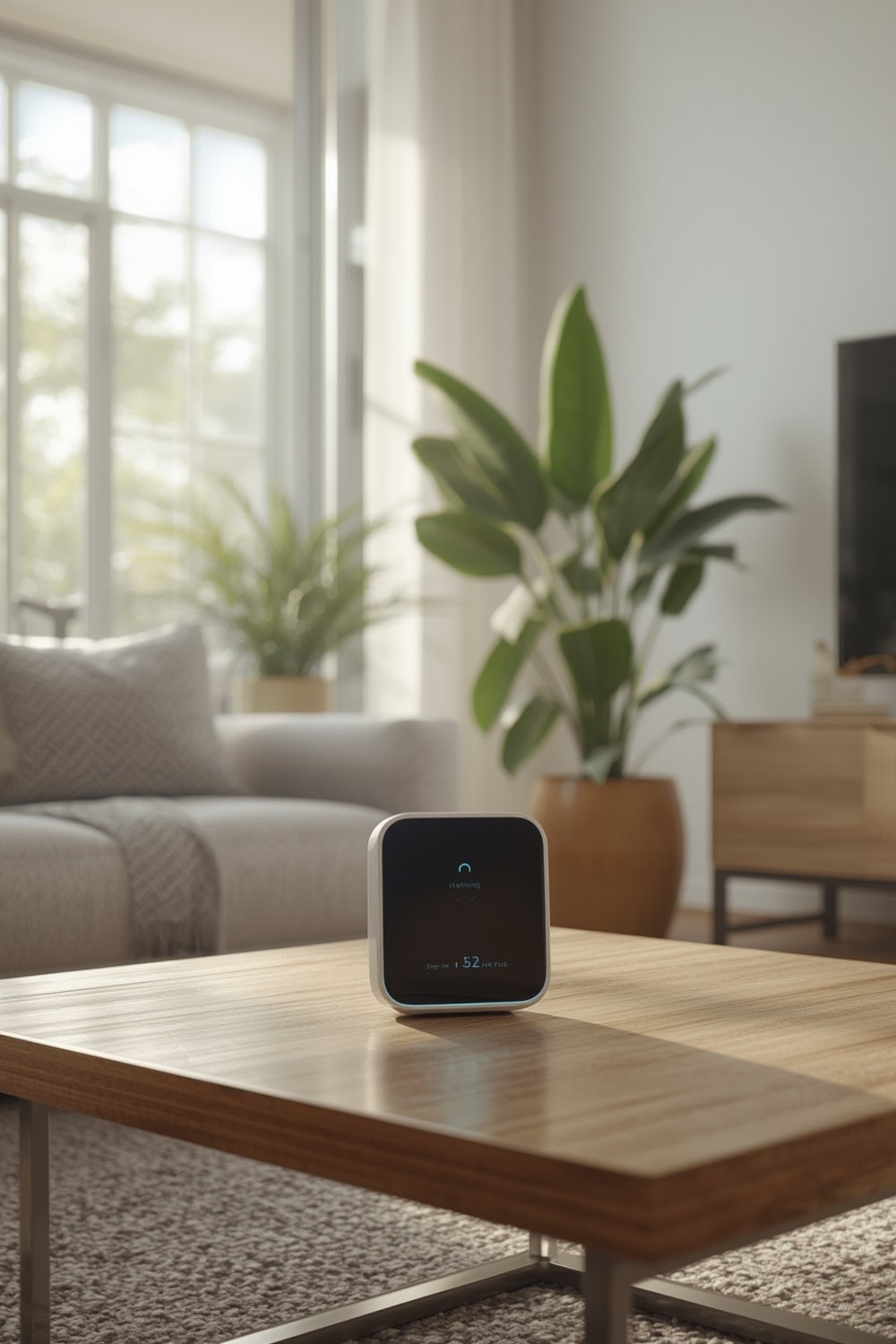
Studies show that concentrations of VOCs are at least ten times higher indoors than outdoors. In newly constructed homes, proper mechanical ventilation systems can cut harmful CO2 by 30 percent, radon and nitrogen dioxide by 42 percent, and formaldehyde by 7 percent, as detailed by the U.S. Department of Energy. Yet, most American homes don’t meet the ASHRAE 62.2 standard for healthy indoor air, largely due to improper use or maintenance of ventilation systems.
Apartment dwellers face added risks: Recent studies highlight that rented units are more prone to mold and dampness, driven by inadequate ventilation. Even in the UK, ultrafine particles are found at levels 3.5 times higher indoors than outside. The bottom line: if you’re not actively monitoring your indoor air, you could be exposing yourself and your family to unseen health hazards.
If you want to maximize the impact of your home’s energy efficiency improvements while maintaining healthy air, don’t miss our practical guide on cutting energy bills with heat pump water heaters.
How to Use an Indoor Air Quality Monitor: Step-by-Step
Choosing and using the right indoor air quality monitor isn’t just about plugging in a gadget. Here’s how to do it right and get results you can trust:
- Assess What Pollutants Matter Most: Identify your pain points (e.g., allergies, headaches) and building type. For bedrooms, prioritize CO2 and PM2.5 monitoring; for basements, look for mold and humidity sensors.
- Pick the Right Type: Standalone monitors are ideal for apartments or single rooms. Whole-home systems offer more comprehensive tracking but often require professional installation. Some hybrid units can be installed by homeowners with WiFi connectivity, while others are hardwired.
- Install in High-Risk Spots: CO2 builds up fast in bedrooms, especially at night. Place monitors in high-occupancy areas—bedrooms, living rooms, and basements. Avoid installing near direct vents or windows, as this skews readings.
- Connect and Calibrate: Follow manufacturer instructions closely for WiFi/app setup. Run recommended calibrations—neglecting this step is a leading cause of inaccuracy!
- Track Data Over Time: Most monitors display real-time and historical data through an app or web dashboard. Use these trends to spot recurring issues, like CO2 spikes overnight or seasonal VOC increases.
- Take Action Based on Alerts: If your monitor alerts you to high CO2 or VOCs, ventilate by opening windows, running exhaust fans, or adjusting HVAC settings. Consider adding a mechanical ventilation system for persistent issues.
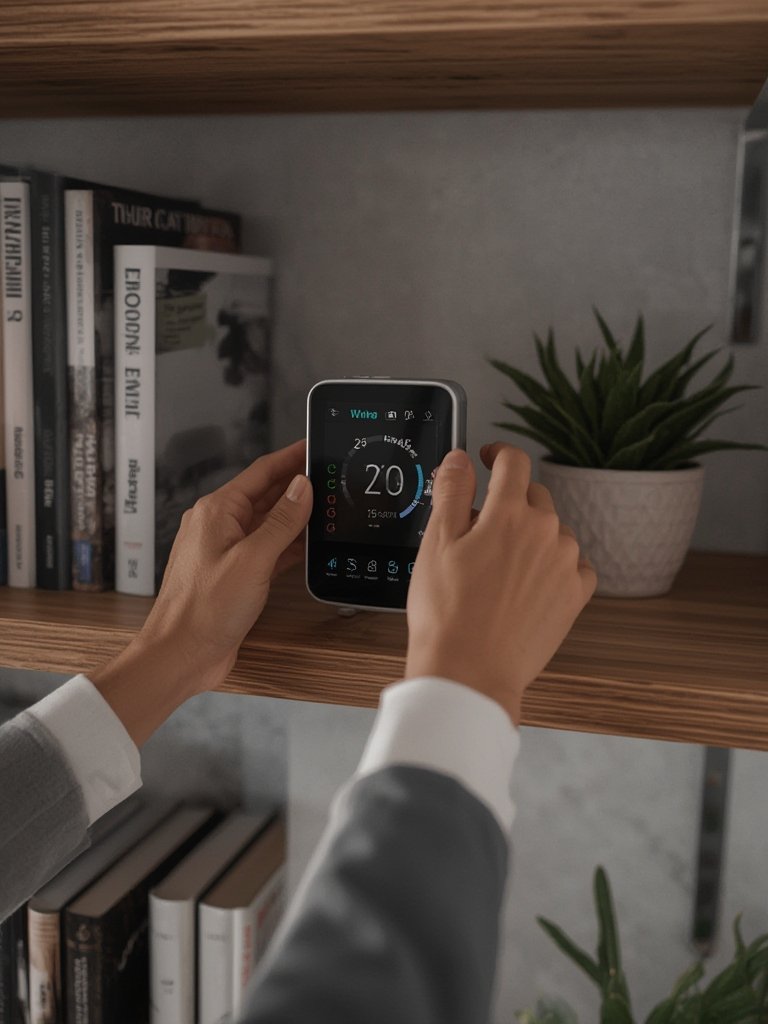
Addressing persistent air quality problems sometimes requires upgrades beyond monitoring. For homeowners considering smart upgrades, installing a smart home EV charger or an energy-efficient washer dryer combo may contribute to healthier living when properly ventilated.
Advanced Analysis & Common Pitfalls
Indoor air quality monitors offer a window into your home’s unseen threats, but they’re not foolproof. Here’s what homeowners actually face once the excitement of unboxing wears off:
- Inaccuracy, Especially for mold detection: Many popular monitors don’t measure mold spores directly. Instead, they estimate risk via humidity and temperature—a method that can trigger false alarms or miss hidden problems entirely.
- App Connectivity Issues: WiFi and Bluetooth connections can be flaky. Intermittent connectivity often disrupts alerts or long-term data logging, especially in homes with thick walls or old routers.
- Whole-Home System Complexity: Ducted monitors require drilling, wiring, and sometimes code compliance checks, raising both the cost and installation barrier. Many “smart” models also need their own dedicated power source.
- Sensor Degradation: Sensors—especially for VOCs and CO2—wear out over time, sometimes in as little as 18-24 months. Replacement parts add to long-term costs and some brands require annual subscriptions for data access or cloud sync.
- Unclear Certifications: Unlike insulation or HVAC systems, there’s no universal third-party certification for home IAQ monitors. Very few models reference standards like ASHRAE 62.2, so vetting reliability can be tough for consumers. Look for evidence of independent lab testing or regulatory compliance if you’re serious about accuracy.
Here’s how monitor features compare—with important limitations:
| Feature | Room Monitor | Whole-Home Monitor | Multi-Room Smart Hub |
|---|---|---|---|
| Supported Pollutants | CO2, VOCs, PM2.5, Humidity | CO2, VOCs, PM, Radon (select models) | CO2, VOCs, PM2.5, Smart Home/IFTTT |
| Mold Detection | Indirect (humidity-based) | Indirect (humidity-based) | Partial (alerts only) |
| Installation | Plug-and-play | Professional recommended | DIY possible |
| Smart Integration | Limited | Depends on model | Alexa, Google, IFTTT supported |
| Ongoing Costs | Sensor replacement $20-$80/2yrs | Installation, sensors, pro fees | App/data subscription optional |
Before investing, evaluate whether a plug-and-play or a comprehensive system fits your lifestyle and budget. For many, pairing a budget monitor in bedrooms with a solid mechanical ventilation upgrade delivers 90 percent of the benefit for a fraction of the cost. For pricing context, explore how energy-efficient appliance upgrades impact whole-home costs and rebates.
Conclusion
Most homes need both a reliable indoor air quality monitor and improved mechanical ventilation to come close to established health standards. Without real-time data, you’re left guessing about risks like elevated VOCs, CO2, or hidden mold. Monitors alone don’t fix the problem, but they’re a critical first step—especially if you upgrade frequently occupied rooms or pair monitors with energy-efficient ventilation. Don’t forget the ongoing costs: sensor replacement, potential app subscriptions, and the time needed to maintain accuracy. If you’re serious about long-term health, it’s time to invest in an indoor air quality monitor and take charge of your indoor environment.
Want to make your home even safer and smarter? Start optimizing now—review your current air quality, then consider pairing a monitor install with home efficiency upgrades for maximum health and savings.
FAQ
Are indoor air quality monitors accurate enough to trust their results?
Most consumer-grade monitors are accurate for pollutants like CO2 and PM2.5, but VOC readings and mold alerts can be hit-or-miss due to sensor limitations and the lack of certification standards. Routine calibration and sensor replacement help maintain accuracy.
What pollutants should I monitor in my bedroom?
Focus on CO2 (from human breath) and PM2.5. High overnight CO2 can disrupt sleep quality and alert you to insufficient ventilation.
How much does a reliable indoor air quality monitor cost and are there hidden fees?
Room monitors usually range from $80–$300, while whole-home systems can cost $400 or more plus installation. Don’t forget to budget for sensor replacements (typically every 1–2 years) and possible app subscriptions for data access.
Can indoor air quality monitors detect mold?
Most monitors only estimate mold risk based on humidity and temperature. For actual mold detection, professional testing remains the gold standard.
Do any monitors integrate with smart home systems?
Some modern air quality monitors support Alexa, Google Assistant, or IFTTT for automated air quality triggers—great for routines like turning on an air purifier when VOCs spike.