


### Blog Post:
Ventless washer dryer combo units are changing the way small apartment owners handle laundry. For those short on space but not on expectations, understanding the true benefits and drawbacks can prevent expensive mistakes—and save you hours of sweaty troubleshooting.
Key Takeaways
- Ventless washer dryer combos eliminate the need for external venting, making them ideal for small apartments, RVs, and condos.
- Common downsides include longer drying times, maintenance-heavy operation, and frequent lint trap clogs.
- Understanding installation challenges and maintenance needs upfront can help you avoid unexpected costs and downtime.
- What Is a Ventless Washer Dryer Combo? How Does It Work?
- How to Install and Set Up Your Ventless Washer Dryer Combo
- Pitfalls, User Complaints, and How to Avoid Them
- Conclusion
- FAQ
What Is a Ventless washer dryer combo? How Does It Work?
A ventless washer dryer combo is an all-in-one laundry solution where washing and drying occur in the same drum. Unlike traditional laundry appliances, these machines use condensation or heat pump technology to dry clothes—meaning they require no external vent. This feature makes them especially attractive for small apartments, condos, and RVs where venting is difficult or even prohibited.
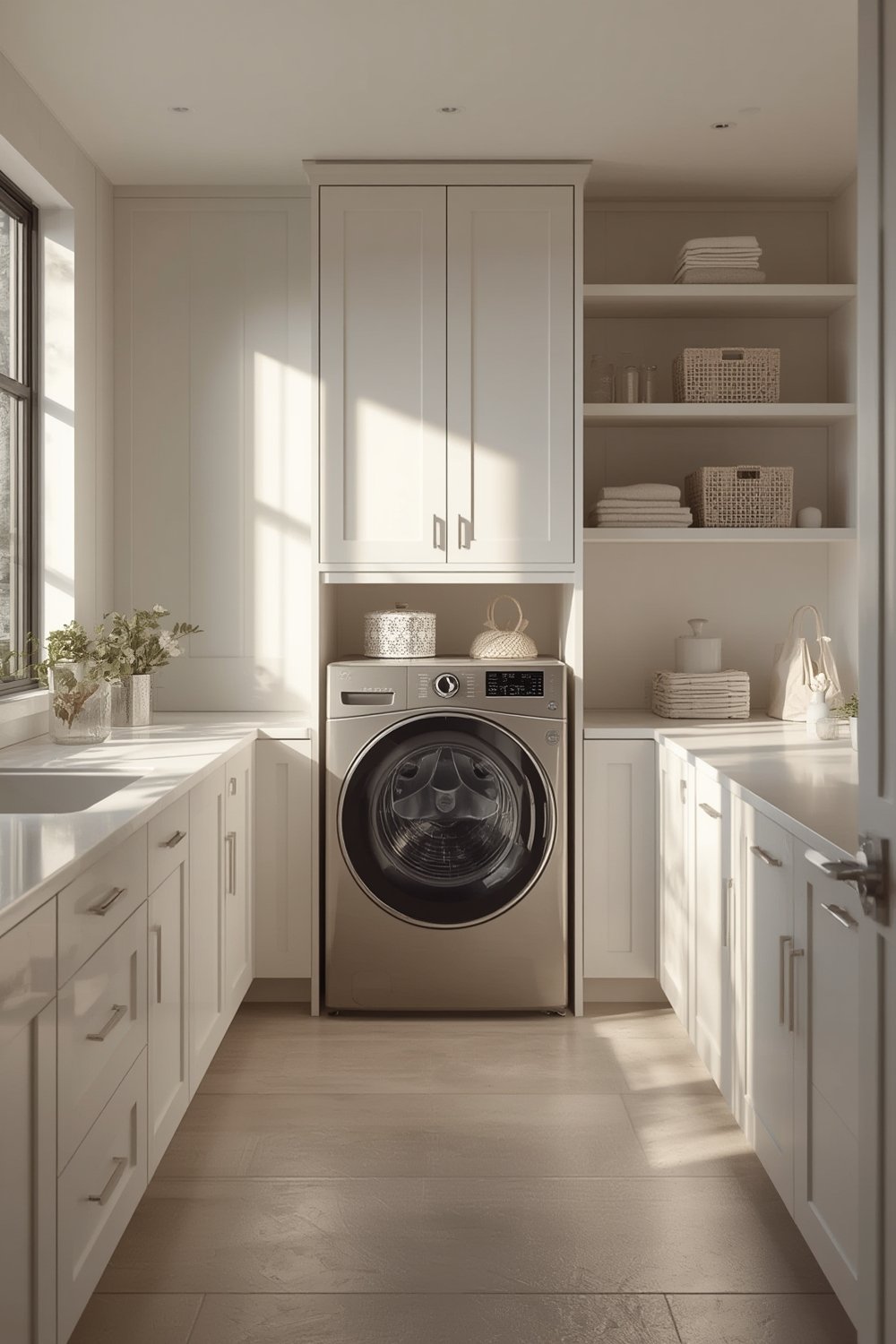
Condensation-style models rely on heated air and a condensing chamber to pull moisture from your laundry, often draining the water out through the same hose used for the wash cycle. Newer units may use a heat pump, which is usually more energy-efficient but can be even slower.
The appeal: No need to carve a 4-inch hole in your wall. The challenge: Cycle times are often longer—sometimes double that of vented dryers (source), and clothes may emerge slightly damp.
For those interested in maximizing home efficiency, check out this heat pump water heater guide—these energy-saving principles are related to ventless laundry as well.
How to Install and Set Up Your Ventless Washer Dryer Combo
Setting up a ventless washer dryer combo is simpler than vented alternatives, but skipping crucial steps can lead to rattling, leaks, and long-term headaches, particularly in small apartments.
- Plan for Space and Access
- Measure your intended location including height, width, and depth. Remember door swing and room for hoses at the back.
- If you’re dealing with cramped quarters, review your closet or cabinet layout. Shelves may need to be cut or hoses trimmed for a proper fit (source).
- Check Water and Drain Hookup
- Connect to standard cold water and hot water lines. Use 90-degree elbow fittings to reduce the risk of hose kinks.
- Secure the drain hose. Some combos require the drain hose to be cut to a certain length (often 2 feet) to ensure proper flow. Secure with a clamp or zip tie to prevent leaks.
- Power Connection
- Plug into a dedicated 120V or 240V outlet as specified (most compact combos are 120V; some larger units are 240V).
- If installing in a cabinet, route the cord through a drilled hole in a shelf for safe, hidden access.
- Level Carefully
- Adjust all leveling feet until the unit sits stable—test by pressing lightly on the corners. Even a slight imbalance can cause wild shaking during the spin cycle, leading to noise and possible damage over time (source).
- Secure for Movement (RV or Mobile Setup)
- For apartments with uneven floors or mobile installations (RVs), use anti-skid mats, brackets, or install-purpose-built straps. For road travel, some move their unit onto the rear seat; within homes, simple anti-skid stickers may not suffice—consider brackets anchored to flooring (source).
- First Use
- Run a self-cleaning or empty hot cycle per the manufacturer’s manual to flush out residual dust or plastic. Check all hose connections for leaks.
- Routine Maintenance
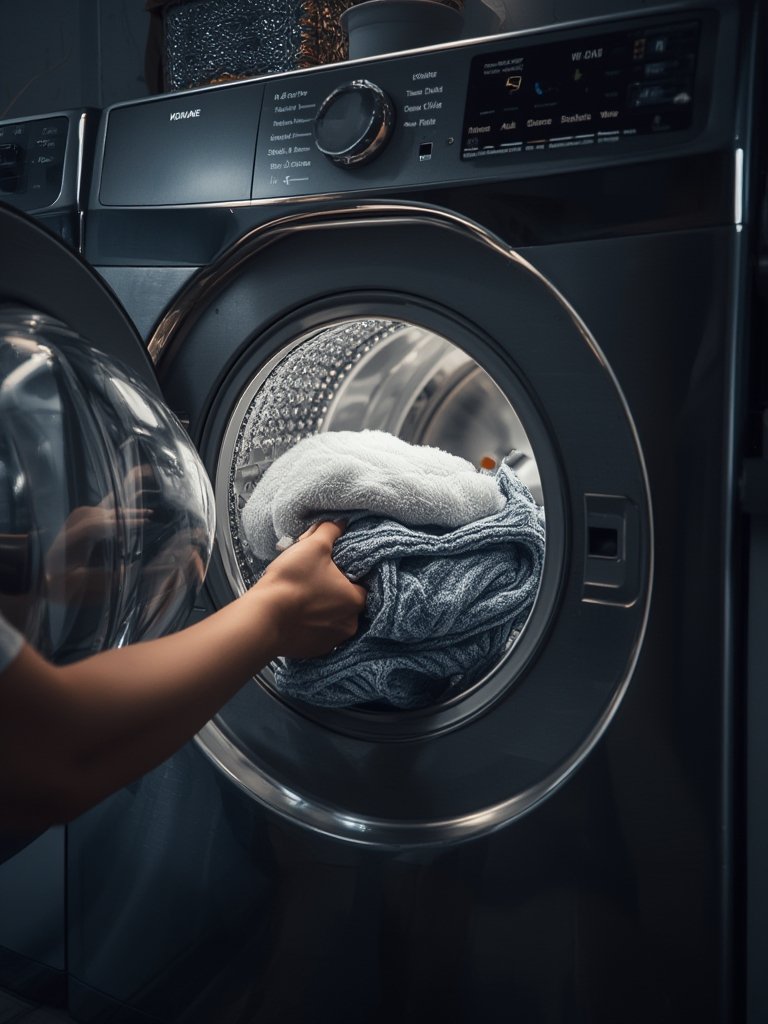
- Empty lint traps and filters as directed. With ventless condensing units, lint also exits through the drain—consider a mesh trap or maintenance log for cleaning your building’s plumbing line yearly.
- Wipe gaskets and doors dry after every use to prevent mold and mildew.
For more ways to future-proof your home setup, check out our home EV charger installation guide.
Pitfalls, User Complaints, and How to Avoid Them
While ventless washer dryer combos offer space and installation flexibility, user experience paints a realistic picture of persistent challenges. Below are common pitfalls based on user feedback and how to sidestep them.
| Aspect | Ventless Washer Dryer Combo | Notes/Warnings |
|---|---|---|
| Cycle Duration | Frequently 2-3 hours for a complete wash and dry load; heavier fabrics (jeans, towels) extend the cycle even more. | Packed loads slow drying (source). |
| Drying Results | Clothes may come out slightly damp; owners often air-dry 5-10 minutes after cycle completes. | Non-heat-pump models are worst offenders (source). |
| Noise & Vibration | Unlevel or overloaded units shake/rattle; anti-skid mats help but may not be enough in mobile settings. | Mobile installations may require brackets or straps. |
| Maintenance | Lint traps and filters clog quickly, sometimes needing cleaning every few loads. Heat exchanger can clog within months. | Owners report poor reliability after 5-6 months despite maintenance (source). |
| Drainage Risks | Lint is often flushed through with water, accumulating in drain traps or sewer lines. | Annual trap cleaning may be needed; possible apartment plumbing issues. |
| Capacity | Units support regular loads for 1-2 people; easily overwhelmed when overfilled. | Packed loads compromise both wash and dry. |
| Energy Efficiency | Condensing dryers lack clear efficiency advantage versus vented; heat pump units can be more efficient but are very slow. | No formal independent test data available. |
Most bestseller lists skip over the kind of nuanced troubleshooting you’ll need for real-world, tight-space setups:
How do you fully secure the unit against movement if anti-skid pads are not enough? Is your building prepared for extra lint in the drains? Can you make modifications to closets or RVs without voiding the warranty?
For more in-depth energy efficiency advice, see our article on the best heat pump water heater.
Conclusion
Ventless washer dryer combos can be a game-changer for apartment dwellers and anyone prioritizing convenience over speed. However, expect trade-offs: cycle times are long, maintenance is frequent, and installation takes careful planning to avoid shaking and drainage headaches. Choose a heat pump-based model if energy efficiency is critical but brace for even slower cycles. By understanding the true nature of the ventless washer dryer combo, you’ll be equipped to match your laundry solution to your lifestyle—and avoid the most common buyer regrets.
Ready to optimize your small-space laundry? Compare ventless combo options carefully, prep your installation area, and bookmark this guide for future troubleshooting. Want to cut more utility costs? Start with our heat pump water heater upgrade tips.
FAQ
How long does a full cycle take in a ventless washer dryer combo?
Most ventless washer dryer combos take 2-3 hours for a full wash and dry cycle, especially with heavy fabrics like jeans. Lighter loads may finish a bit sooner but rarely match the speed of vented models.
Do ventless combos dry clothes completely?
Not always. Many users find clothes come out slightly damp, especially from non-heat-pump models. Air drying for 5-10 minutes after the cycle is common to achieve crisp results.
How often do I need to clean lint traps or filters?
Lint traps and filters should be checked and cleaned every few loads. With heavy or frequent use, expect to deep clean or clear heat exchanger components every few months to avoid clogs and drying inefficiency.
Can I install a ventless washer dryer combo in any apartment or RV?
Nearly any location with a water supply, drain, and standard electrical outlet can host a ventless combo. Tight installations (like RV closets or behind cabinet doors) may require removing trim, shortening hoses, or securing the machine against movement.
Are condensation dryers energy efficient?
Condensing (non-heat-pump) dryers are typically less energy efficient than vented dryers. Heat pump ventless combos are more efficient than both, but at the cost of cycle speed. Real-world efficiency depends on your usage patterns and laundry load size.
—