


Key Takeaways
- Heat pump water heaters deliver up to 4.3 UEF—making them 2-4 times more efficient than traditional electric units and offering substantial energy savings.
- Initial purchase and installation costs are higher but can be offset by rebates, tax credits, and dramatic reductions in annual operating expenses.
- Users should consider installation environment, potential for noise, and the local climate to avoid common pitfalls and maximize system performance.
- What is a Heat Pump Water Heater?
- Installation & Transition Guide
- Advanced Analysis & Common Pitfalls
- Conclusion
- FAQ
What is a Heat Pump Water Heater?
A heat pump water heater uses electricity to move heat rather than generate it, extracting warmth from the surrounding air and transferring it into your water tank. This process is similar to how your refrigerator operates, just in reverse. The efficiency gains are dramatic—heat pump water heaters achieve Uniform Energy Factor (UEF) ratings up to 4.3 for ENERGY STAR-certified models with 50-gallon tanks, making them about three times more efficient than standard electric water heaters. If every electric water heater in the U.S. were replaced with an ENERGY STAR-certified heat pump water heater, annual energy savings could reach $8 billion.
[ENERGY STAR Ratings]
[Consumer Reports]
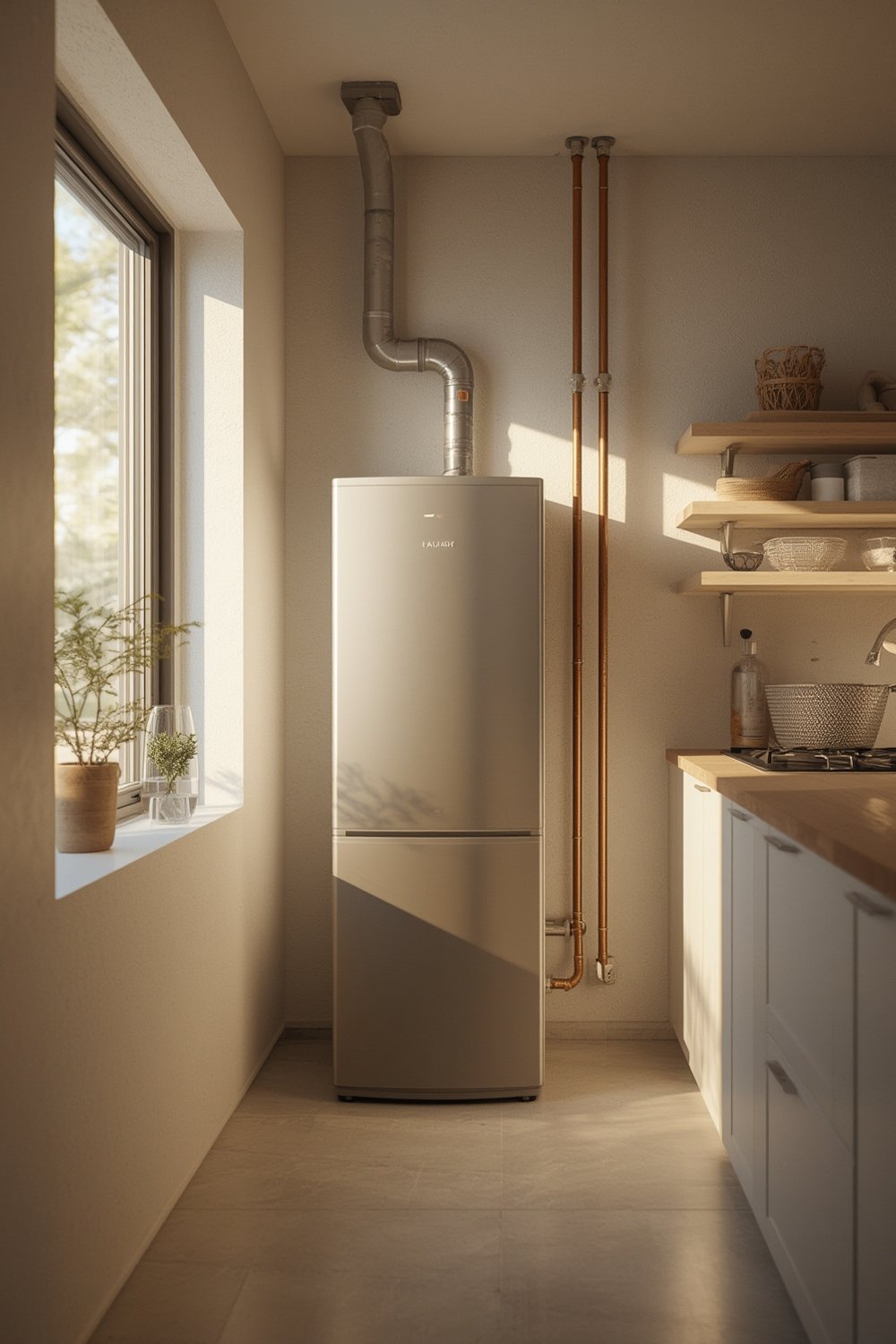
This high efficiency leads to substantial energy bill reductions. These units are also increasingly available from leading brands like Rheem, Stiebel Eltron, and A.O. Smith, with the heat pump vs. tankless water heater debate becoming a top concern for many homeowners. As federal and state policies advance, less efficient water heaters are set to be phased out, making now the right time to explore this technology.
Installation & Transition Guide
Upgrading to a heat pump water heater can be straightforward, but following the right steps is crucial for reliable performance and long-term savings. Here’s a realistic, actionable guide.
1. Evaluate Your Hot Water Needs and Space
Start by considering daily household hot water use. Heat pump water heaters come in sizes—usually 40, 50, or 80 gallons. A 50-gallon tank (with 77 first-hour gallons) suits most families.
Check the space—it should be indoors (not subject to freezing), with at least 750 cubic feet of air, like a basement or large utility room.
2. Choose a Model with High UEF
Opt for ENERGY STAR-rated models with a UEF of 3.3 or higher for maximum energy savings and rebate qualification. Major brands like Rheem Performance Platinum and Ruud Ultra regularly top efficiency tests.
See top electric picks for comparison.
3. Budget for Upfront and Installation Costs
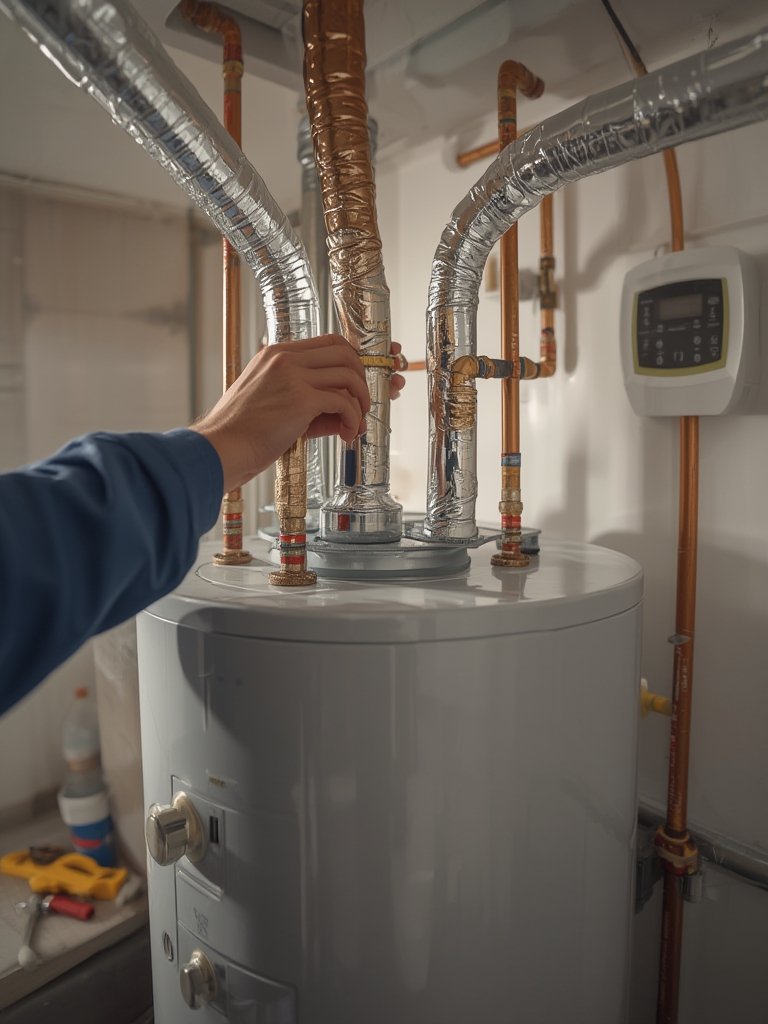
Units range from about $799 (Rheem Performance Platinum) to $3,700 (ECO2 Systems SANCO2). Factor in roughly $500–$1,500 for professional installation, or save by DIY if you’re experienced—many models are designed for straightforward install. Get multiple quotes if hiring a pro.
4. Check for Rebates and Tax Credits
Rebates for heat pump water heaters vary by state and utility provider. Check the ENERGY STAR Rebate Finder and your local utility’s website. Select units with the highest UEF to access larger incentives. Tax credits have helped bring down net cost, but details for 2025 eligibility are still emerging.
Compare with other water heater installation costs.
5. Schedule Installation and Registration
Whether you DIY or use a contractor, follow manufacturer instructions precisely. After setup, register the unit online to lock in your warranty and enable leak-protection tech on smart models. Some brands, like Stiebel Eltron, offer 10-year warranties.
Get help with warranty steps
6. Optimize for Energy Savings
Use the “Energy Saver” mode for daily operation. In high-use periods, some hybrid models allow rapid heating using resistance elements. Regularly clean filters and keep the area clear for airflow.
Over the long term, average operating costs can drop below those of a traditional light bulb—especially when rebates or credits reduce payback to a few years. Keep an eye out for maintenance alerts and software updates on Wi-Fi-enabled models.
Maintenance checklists can simplify upkeep.
Advanced Analysis & Common Pitfalls
Heat pump water heaters have clear benefits but aren’t without drawbacks. Real-world performance varies based on climate, installation environment, and model choice.
Common Pitfalls
- Cold Climate Limitations: In frigid basements or garages, some models slow down or switch to standard electric heating, cutting efficiency. Insulating the space can help, but in very cold regions, alternatives like tankless electric units may make sense.
- Noise Concerns: Even though leading models like Rheem Platinum are generally quiet, all heat pump units make some noise during operation—typically similar to a refrigerator. Avoid installing right next to bedrooms or quiet spaces.
- Space Needs and Air Volume: The heat pump must have enough surrounding air to draw from. If your laundry room or closet is too small, proper operation is compromised. Follow the manufacturer’s guidelines for minimum air space.
- Rebate Confusion: Rebates and tax credits vary widely by region and utility. Be cautious—eligibility details can change yearly and require careful record-keeping. Contact your utility before purchase to verify details.
- Upfront Cost Shock: Total costs (including pro installation) are often higher than traditional models. Budget accordingly and subtract expected rebates or tax incentives from your calculations. See the Arbor Guide for typical prices and payback analysis.
Comparison: Heat Pump vs. Traditional Water Heaters
| Heat Pump Water Heater | Electric Resistance | Gas Tankless | |
|---|---|---|---|
| UEF (Efficiency) | Up to 4.3 | ~0.93 | ~0.95 |
| Annual Operating Cost | Lowest | High | Medium |
| Typical Upfront Cost | $799–$3,700 | $300–$700 | $1,200–$2,500 |
| Best Environment | Mild to Warm, Ample Air | Any | Any, Gas Line Needed |
| Noise Level | Low to Moderate | Silent | Low to Moderate |
| Lifespan (Estimate) | 10–15 Years | 8–12 Years | 10–20 Years |
Most users experience reliable hot water and significant bill savings, but you should weigh the higher upfront cost, installation considerations, and the unique demands of your space before making the switch. For help comparing models, see our detailed tank water heater guide.

Conclusion
Heat pump water heaters offer some of the best efficiency, lowest long-term costs, and most reliable performance available. If you have the right installation space and budget, making the switch is a smart move—especially as incentives and rebates continue evolving. Take the time to verify your eligibility, weigh costs and local climate factors, and compare top models to get the best value.
Ready to cut energy bills and move toward a sustainable home? Explore our full heat pump water heater buying guide for product recommendations, rebate links, and step-by-step help.
FAQ
How long do heat pump water heaters last?
Most models are rated for 10–15 years, though longevity depends on maintenance and water quality. Some brands offer 10-year warranties. Regular filter cleaning extends lifespan.
Do heat pump water heaters work in cold climates?
They can work in cool spaces but lose efficiency if air temperature drops near freezing. For unheated garages, insulate the area or choose a hybrid model that can switch to electric mode on cold days.
Are heat pump water heaters noisy?
The compressor makes a low hum—similar to a refrigerator. Choose installation locations away from bedrooms for quietest operation.
Can I install a heat pump water heater myself?
DIY installation is possible if you are comfortable with plumbing and basic electrical work. Many models are designed with homeowner installation in mind, but always follow safety guidelines and check local codes.
What rebates or incentives are available?
Rebates and credits vary regionally. Check the ENERGY STAR rebate finder and your local utility site for up-to-date offers and qualifying models.
[…] For those upgrading from an older electric tank, the efficiency gains translate directly into lower water heating costs and a significant reduction in household emissions. Many utility companies and the federal government now offer rebates, tax credits, and other incentives to offset upfront costs, making HPWHs more accessible than ever. Still, installation is not always plug-and-play, and there are real performance considerations to consider in different climates and home types. For a proven, deep-dive approach to maximizing energy bill savings with this technology, see our comprehensive HPWH savings guide. […]
[…] If you’re looking into rebates, smarter home integrations, or even thinking of switching from a gas model, you’ll find a detailed, step-by-step walkthrough in our Heat Pump Water Heater: Proven Guide. […]
[…] those interested in maximizing home efficiency, check out this heat pump water heater guide—these energy-saving principles are related to ventless laundry as […]
[…] If you want to maximize the impact of your home’s energy efficiency improvements while maintaining healthy air, don’t miss our practical guide on cutting energy bills with heat pump water heaters. […]
[…] searching for. If you’d like to see this kind of method in action for energy tech, check out this comprehensive guide to heat pump water heaters loaded with targeted question frameworks and real […]
[…] Secondary keywords, typically longer phrases or synonyms, add depth, context, and broader reach to your primary keyword strategy. For example, for the focus keyword “heat pump water heater,” secondary keywords might include “energy efficient water heater,” “hybrid water heater pros cons,” or “heat pump installation tips.” Each secondary keyword surfaces subtopics that users care about—and drives valuable, often lower-competition, traffic. See how this works in our deep-dive guide on heat pump water heater energy savings. […]
[…] Looking to upgrade your home’s energy efficiency at the same time as your decor? Check out these 7 proven ways to cut energy bills with a heat pump water heater. […]
[…] you’re considering high-impact energy upgrades like a heat pump water heater, or planning to install a Level 2 home EV charger, a smart panel can streamline your future […]
[…] costly HVAC or hot water choices. Consider heat pump water heaters to keep future energy bills in […]
[…] more advanced DIY or contractor resources on home upgrades, see our detailed guide on cutting energy bills with a heat pump water heater and how DIY fluted wall panels can transform your living space on a […]
[…] Oversizing or undersizing will cost you later. Consider energy-saving upgrades—such as a heat pump water heater—to reduce generator size […]
[…] them as a final quote. Homeowners looking to save on large-scale upgrades (like switching to a heat pump water heater for energy efficiency) can take a similar approach: understand ballpark numbers, but dig deeper […]
[…] you’re looking for a real-world walkthrough of what to expect, also check out our in-depth heat pump water heater upgrade guide, which spotlights 7 ways to maximize savings and covers frequent customer […]
[…] just about convenience. Properly configured, automation saves real money on energy (see our tips on heat pump water heater upgrades), increases safety, and makes aging in place practical. With smart panels and home battery systems […]
[…] indoor environment, protect sensitive family members, and even optimize your use of appliances like heat pump water heaters for both comfort and air […]
[…] comparison, emerging trends in other utility-oriented home upgrades—like energy efficient water heaters and smart electrical panels—show that unresearched decisions rarely end well. Flooring for home […]
[…] Plan for Utilities and Permits Gas, electric, and water lines may need pro installation and local permits. Always confirm setback rules and fire codes before you build. Skipping this step leads to costly redos and inspection headaches. For energy savings on indoor utility bills as a complement, see our guide on cutting bills with a heat pump water heater. […]
[…] how related energy upgrades, like a heat pump water heater can further improve efficiency and qualify for additional tax […]
[…] Pro Tip: Save on energy and run quieter by upgrading to a heat pump water heater during your remodel—modern units can cut water heating bills by up to 70% compared to […]